ARTICLES · LUMO

Articles

Deep dives, comparisons and tutorials on AI tools, with sources.

Feature · 2026-11-26

Choosing AI Agents for Team Collaboration: Coze, Dify, Manus, n8n, kwant and Cue Compared

Six AI agents compared by their role in team collaboration: Coze builds fastest with no code, Dify covers knowledge bases and self-hosting, Manus carries a whole task through asynchronously, n8n connects hundreds of services for orchestration, kwant is an open-source, self-hosted multi-agent team, and Cue equips a personal agent with an email, a phone number, a wallet and a computer.

Read the article →
Feature · 2026-11-26

Choosing AI Writing Tools by Budget: Notion, Gamma, WPS AI, DeepL, Grammarly and QuillBot Compared

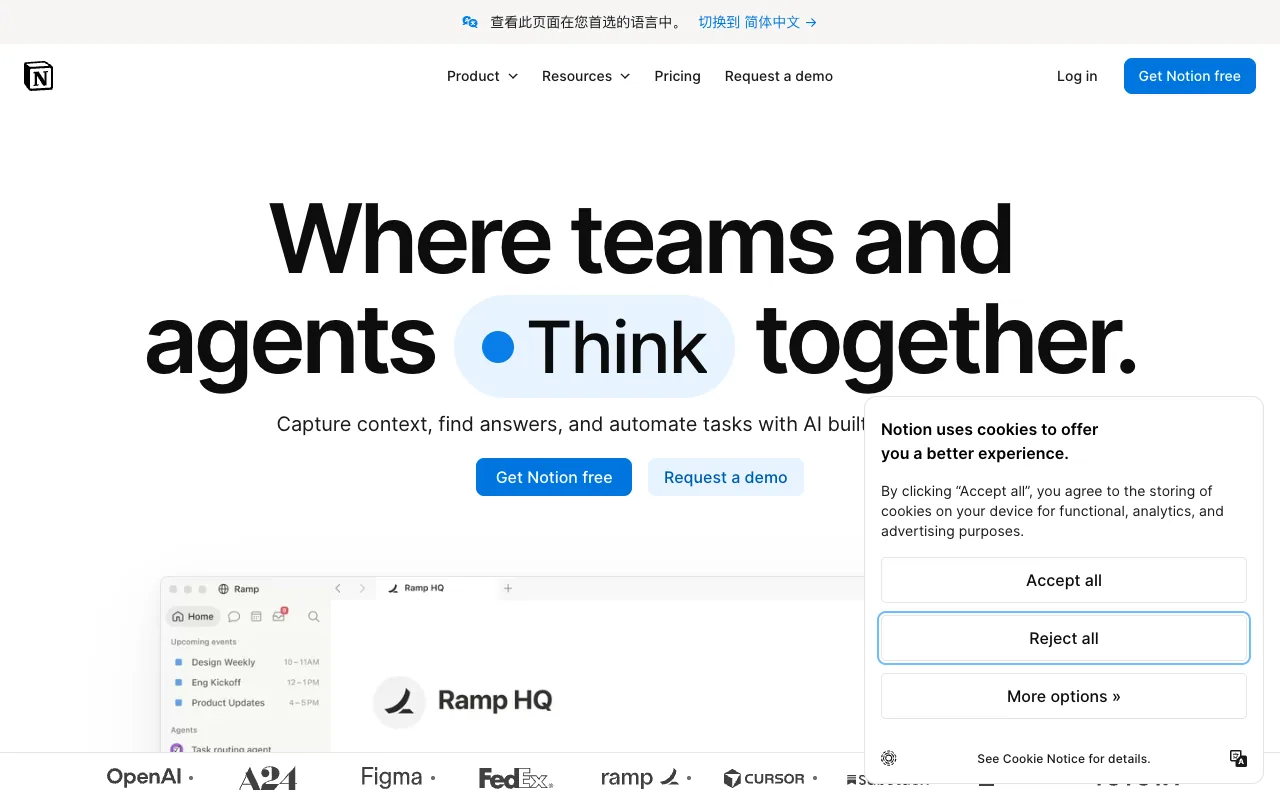
Six AI writing tools compared by budget: the free tiers cover single needs first — DeepL for free translation, Grammarly for basic corrections, QuillBot for free paraphrasing, Gamma's free credits for slides, Notion's free personal tier, and the free AI features that come with WPS. When a free tier runs out, upgrade only the tool you use most; subscribing to all six is unnecessary.

Read the article →
Feature · 2026-11-26

How to Build a Job Portfolio: 5 AI Tools for a Shareable Portfolio

A job portfolio does not need to be laid out from scratch: Notion holds the content as an online home page, Canva and Figma handle layout and interface work, Gamma turns projects into a talk track, and Jimeng adds covers and artwork. All five are freemium in the Lumo library, and following this split of work, a portfolio you can send as a link can take shape in a day.

Read the article →
Feature · 2026-11-26

Kling vs Jimeng: How to Choose for Video, and How to Pair Image With Video

Kling is Kuaishou's video generation platform, and Jimeng is a one-stop image and video creation platform from the CapCut team; both are listed as directly accessible from China and freemium. Pick Kling when the deliverable is video only; pick Jimeng when image and video both matter and one platform should carry the whole flow. Using Jimeng for images and Kling for video is also a common pairing.

Read the article →
Feature · 2026-11-26

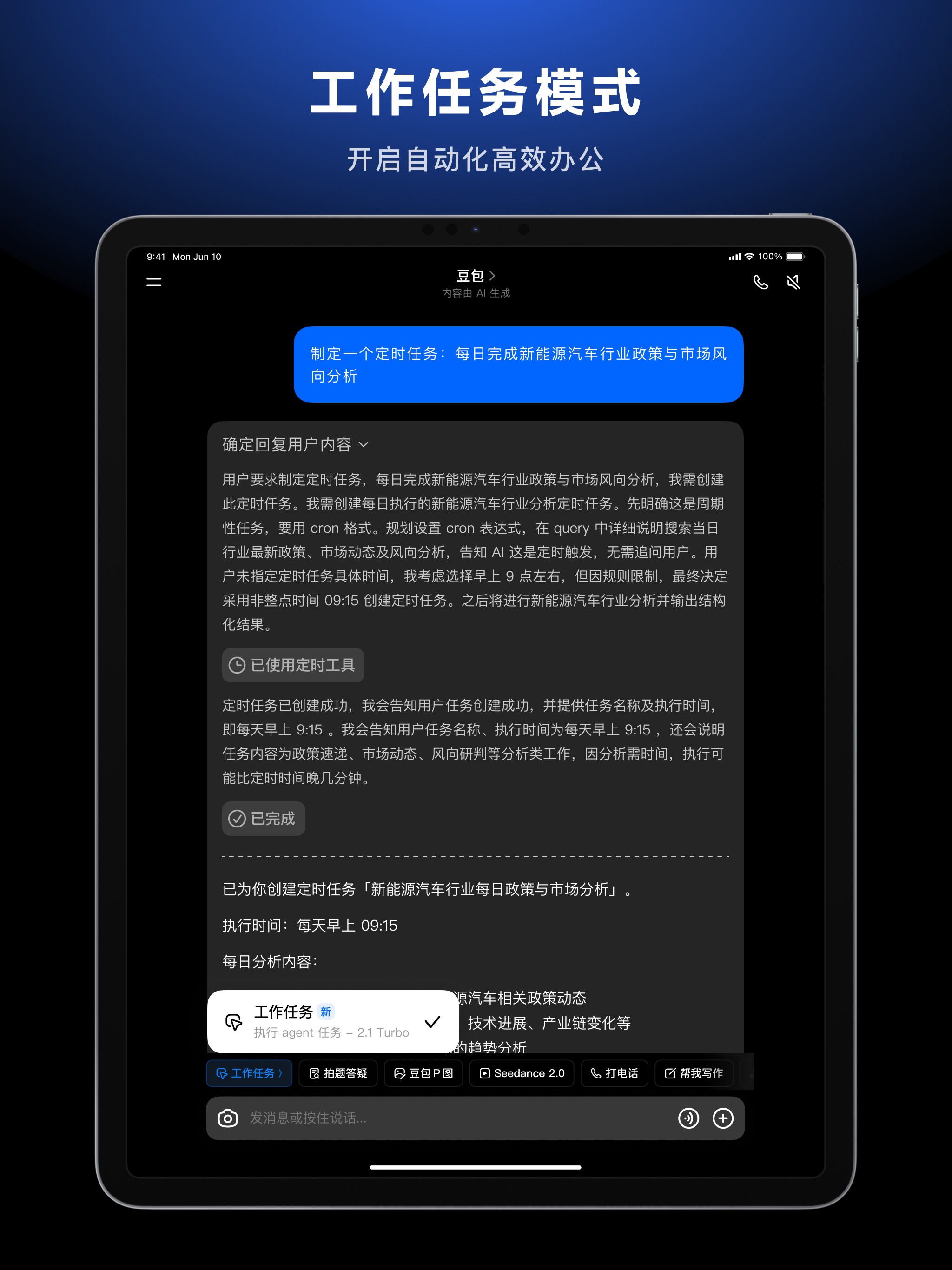
Xiaodou Deep Dive: Doubao's Personal AI Assistant That Follows Up on Tasks for You

Xiaodou is Doubao's standalone personal AI assistant app, sharing memory with Doubao: instead of waiting to be asked, it follows up on tasks, reminds you on time, pushes to-dos forward, and can even call restaurants to book a table. It suits people who want long-term goals and daily chores watched over for them. Currently in invite-only beta, directly accessible in China, with pricing set by the official website.

Read the article →
Feature · 2026-11-26

Qwen Code Deep Dive: Alibaba's Open-Source Terminal Coding Agent

Qwen Code is Alibaba Tongyi's open-source terminal coding agent: it reads a codebase, edits code, and runs tasks right inside the terminal. Its 1.0 Preview integrates Qoder's Harness capabilities, with event-driven operation and embedding into your own products. Open source and free, directly accessible in China — for developers who live in the terminal.

Read the article →
Feature · 2026-11-26

Murf Deep Dive: The AI Voiceover Platform With 200+ Voices

Murf AI is an AI voiceover platform offering over 200 multilingual voices: text becomes natural-sounding voiceover, with tone, pauses, and speed all adjustable. It suits people making video narration, course audio, and ad voiceovers. Freemium and directly accessible in China.

Read the article →
Feature · 2026-11-26

iFlyRec Deep Dive: Audio Transcription, Live Subtitles, and Meeting Notes

iFlyRec is iFlytek's intelligent speech-to-text platform: audio transcription, live subtitles, and meeting notes in one place, with multilingual transcription and translation. It suits people with many meetings and interviews who want spoken content turned into text assets. Directly accessible in China, with pricing set by the official website.

Read the article →
Feature · 2026-11-26

MasterGo Deep Dive: The Chinese Collaborative Design Platform Turning Designs Into Code

MasterGo is a digital interface production platform for the AI era: teams collaborate on UI design and prototypes in real time, and designs convert into production-ready code, with product, design, and engineering working in one place. Directly accessible in China, with pricing set by the official website.

Read the article →
Feature · 2026-11-26

OpenRouter Deep Dive: Hundreds of Models Through One API

OpenRouter is a unified LLM API aggregation platform: one interface reaches hundreds of models, with requests routed and billed by usage — no need to integrate each provider's API or manage keys one by one. It suits developers comparing models or building multi-model products. Freemium and directly accessible in China.

Read the article →
Feature · 2026-11-26

Mixing AI Chat Assistants With Traditional Tools: How to Split Reasoning, Long Reads, Search, and Notes

One chat assistant rarely carries a whole job from thinking it through to a finished draft. Lumo's chat category now holds 60 entries; this guide splits six of them by stage: DeepSeek for reasoning and code ideas, Kimi for long documents, Doubao for everyday questions, Metaso for research, Notion for keeping notes, and WPS AI for finishing inside documents.

Read the article →
Feature · 2026-11-26

Choosing AI Coding Tools by Learning Curve: From Zero-Setup Starts to Pro Workflows

AI coding tools differ widely in how much they ask of you up front, and starting at the wrong level is an easy way to stall. Lumo's coding category now holds 321 entries; this guide arranges six of them as a ladder: Lovable and v0 turn one sentence into an interface, Trae and Lingma suit people who know some code, Cursor is for developers who code daily, and Claude Code is for advanced users at home in the terminal.

Read the article →
Feature · 2026-11-26

AI Image Tools for Team Collaboration: Shared Assets, Collaborative Output, and Brand Consistency

Drawing together as a team is hard not because of the images, but because of how assets, style, and roles stay in sync. Lumo's image category now holds 53 entries; this guide splits six of them by collaboration stage: Liblib and Freepik for shared assets, Jimeng, Firefly, and Canva for collaborative output and consistent style, and Midjourney for setting the visual bar.

Read the article →
Feature · 2026-11-26

Mixing AI Video Tools With Traditional Editing: How Generation, Cutting, and Finishing Connect

A complete AI video workflow rarely uses one tool: shots need generating, the cut needs editing, and narration and subtitles need handling too. Lumo's video category now holds 143 entries; this guide strings six of them into one mixed pipeline: Kling, Jimeng, and Runway generate the shots, Jianying and CapCut cut the finished piece, and Descript cuts by editing text.

Read the article →
Feature · 2026-11-26

Choosing AI Search Tools by Learning Curve: From Out-of-the-Box Questions to Deep Research

AI search tools are layered by learning curve too: some people just want to ask a quick question, some need cited research, and some want to search across their own documents. Lumo's search category now holds 49 entries; this guide arranges six of them by level: Quark and Baidu AI Search work out of the box, Metaso and Perplexity handle serious research, and NotebookLM and Genspark are for people researching with their own material.

Read the article →
Feature · 2026-11-26

Which AI Tool for Your Year-End Review? Notion, Kimi, and WPS AI Matched to the Job

A year-end review starts by gathering a year's worth of material, then turning it into something presentable: Notion fits the framework and material library, Kimi fits reading long documents and pulling out highlights, WPS AI fits revising drafts inside familiar documents, Gamma fits turning the review into slides, and Doubao fits on-the-spot questions and polishing. Lumo's writing category holds 105 entries and chat holds 60; all five tools here follow the catalog fields, with pricing stated as a model only.

Read the article →
Feature · 2026-11-26

Which AI Tool for a Festive Greeting Video? CapCut, Kling, and Jimeng Matched to the Job

A festive greeting video should be short, warm, and ready to send: with no footage at hand, generate visuals with Kling or Jimeng; with photos, retouch them in Meitu and build greeting cards in Canva; then assemble everything in CapCut with music. Lumo's video category holds 143 entries, image 53, and design 156; all five tools here follow the catalog fields, with pricing stated as a model only.

Read the article →
Feature · 2026-11-26

Which AI Tool for Selling Secondhand Items? Photos, Retouching, and Listings Matched to the Job

Selling secondhand items is half photos, half copy: Jimeng polishes the shots, Meitu retouches batches into one consistent style, Doubao and Kimi draft listings that state condition clearly, and Notion tracks each item's listing and sale status. Lumo's image category holds 53 entries, design 156, chat 60, and writing 105; all five tools here follow the catalog fields, with pricing stated as a model only.

Read the article →
Feature · 2026-11-26

Which AI Tool for a Product Launch? Decks, Posters, and Teaser Videos Matched to the Job

A product launch needs three sets of material: Gamma for the deck that explains the selling points, Canva for posters and covers in bulk, Kling and CapCut for teaser videos, and Notion to keep copy and schedule in one place. Lumo's writing category holds 105 entries, design 156, and video 143; all five tools here follow the catalog fields, with pricing stated as a model only.

Read the article →
Feature · 2026-11-26

Which AI Tool for a Paid Course? Outlines, Handouts, and Lesson Videos Matched to the Job

A paid course starts with the outline, then the recording: Gamma turns the outline into slides ready to teach from, Notion holds the handout library, Kimi works through source material while preparing lessons, Descript edits lesson videos by editing the transcript, and Canva makes covers and chapter cards. Lumo's writing category holds 105 entries, design 156, chat 60, and video 143; all five tools here follow the catalog fields, with pricing stated as a model only.

Read the article →
Feature · 2026-11-26

Figma vs MasterGo: Collaborative Design Tools — Global Ecosystem or Local Fit, How to Choose?

Figma is a browser-based collaborative interface design tool where components, prototyping, and developer handoff live in one online file; MasterGo is a Chinese digital interface production platform for multiplayer UI design and prototyping, turning designs into usable code. Both are directly accessible in China; Figma is freemium, MasterGo's pricing follows its official site. The choice comes down to cross-border collaboration versus turning designs into product quickly.

Read the article →
Feature · 2026-11-26

Canva vs Pixso: Template Design Platform or All-in-One Local Design Tool — How to Choose?

Canva is an online design platform from Australia whose huge template library and AI generation let people with no design background finish visuals fast; Pixso is a Chinese all-in-one online product design tool that keeps whiteboarding, prototyping, UI design, and handoff in one place for product-team interface work. Both are directly accessible in China and freemium; Canva fits marketing visuals, Pixso fits product interfaces.

Read the article →
Guide · 2026-11-26

AI-Assisted Podcast Episode Production: From Topic and Outline to Show Notes and Clip Distribution

One podcast episode does not have to eat your whole weekend in editing and show notes: NotebookLM turns past episodes and reference material into a topic library, Descript lets you cut audio by editing text, and Castmagic turns the finished cut into show notes, chapters, and short video clips. For hosts with a show or about to launch one — follow it once and the whole production chain runs end to end.

Read the article →
Guide · 2026-11-26

Using AI to Write Contributing Guides and Issue Templates for Open Source Projects: From Repo Audit to Shipped Docs

A contributing guide and issue templates for an open source project do not have to be written from scratch: let Claude Code read the repo first and find the gaps in the contribution flow, use Cursor's rules to lock the conventions in, then test the templates against a real issue with GitHub Copilot. For maintainers and developers taking over a repo — one pass through this workflow ships a set of docs that actually work.

Read the article →
Guide · 2026-11-26

AI-Assisted Podcast Data Review: From Playback Numbers to Topic Adjustments

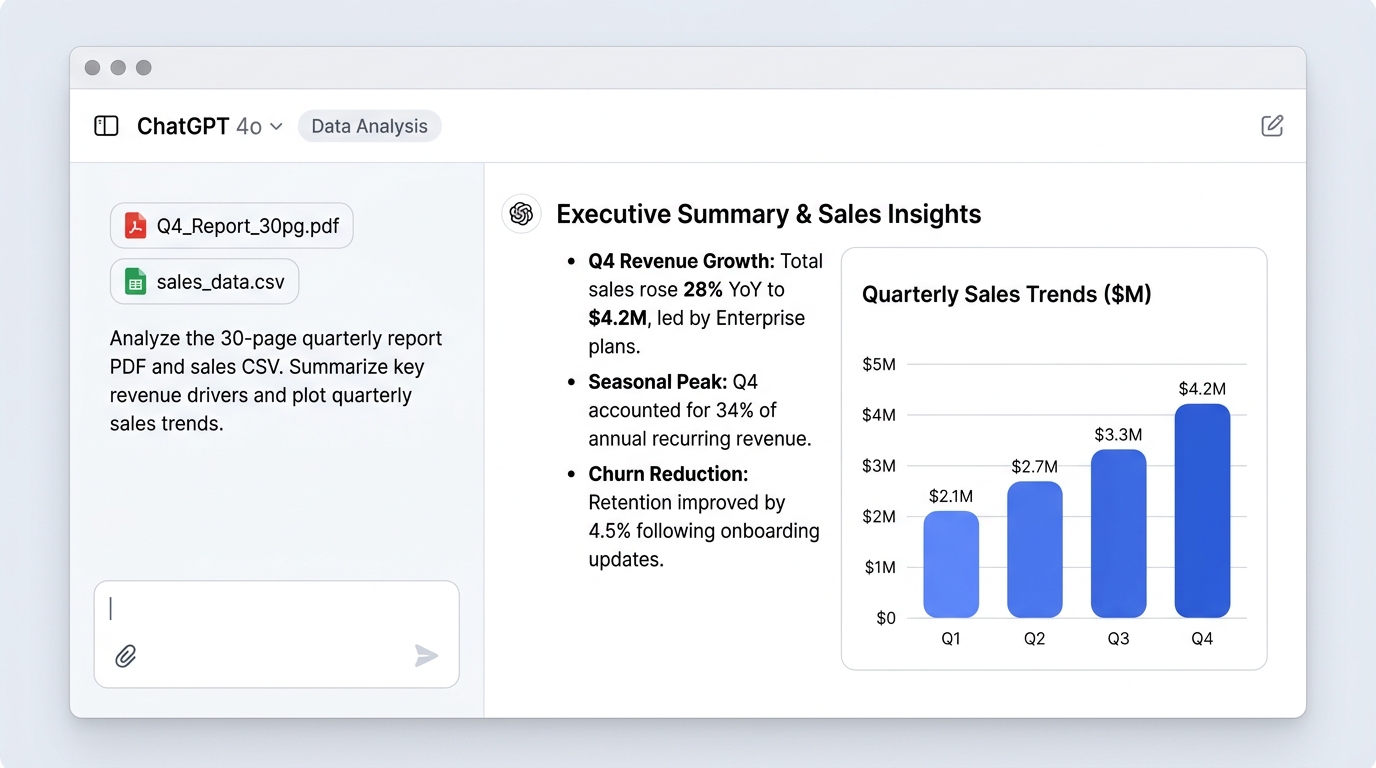
Run a show long enough and topic choices narrow when they rely on gut feeling: export playback data from each platform, use ChatGPT to turn it into tables and charts that show which topics people actually listen to, save the conclusions in Notion as a topic library, then cross-check the adjustments with Kimi and Doubao. For hosts with ten or more episodes who want data, not instinct, to steer their next topics.

Read the article →
Feature · 2026-11-25

Udio Deep Dive: Type a Description and Get a Complete Song With Vocals

Udio is Uncharted Labs' AI music generation platform: describe a theme and style in words and get a complete song with vocals, backing track, and lyrics, then extend, remix, and publish it on the platform. Works currently stay inside the platform for personal, non-commercial use; pricing and access follow the official site. It suits people who treat creation itself as the goal.

Read the article →
Feature · 2026-11-25

Cline Deep Dive: The Open Source Coding Agent in VS Code That Reads Repos, Edits Multiple Files, and Runs Commands

Cline is an open source autonomous coding agent that started as a VS Code extension and now covers the terminal, desktop, and SDK: Plan and Act modes, multi-file editing, terminal execution, and checkpoint rollback, with free choice of model. The agent itself is free and model costs are separate — for developers who want an agent to carry multi-file tasks through in a real codebase.

Read the article →
Feature · 2026-11-25

Choosing an AI Development Platform by Budget: Free, Freemium, and Pay-as-You-Go

These seven platforms fall into three budget tiers: start free and open source with Hugging Face and LiteLLM, route many models by usage with OpenRouter, and weigh Groq, Replicate, Firecrawl, and Supabase against actual call volume and backend needs. Lumo's platform category now holds 878 entries; this guide ranks them by budget logic only, without setting a specific spend for you.

Read the article →
Guide · 2026-11-25

AI-Assisted User Profiling: A Hands-On Guide From Behavior Data to Segment Labels

User profiles do not have to start with surveys: collect behavior events with PostHog, let Doubao, Kimi, and DeepSeek group those events into readable segment labels, and keep the result in Notion for reuse. The steps below follow the official pages checked for this guide, so you can run the flow end to end.

Read the article →
Guide · 2026-11-25

AI Ad Delivery: Start With These Five Skills

Five verified skills cover the ad delivery loop: creative diagnosis, Ocean Engine setup and monitoring, campaign strategy, competitor ad research, and account review.

Read the article →
Feature · 2026-11-25

Tingwu Deep Dive: From Transcription to Meeting Notes — Turning a Meeting Into Usable Text

Tingwu is Alibaba's audio and video transcription and meeting-notes tool: recordings, podcasts, videos, and online meetings all become text, with speakers separated, notes, chapter summaries, and to-dos generated automatically, plus question-based search over the content. Directly accessible in China and freemium — for people whose meetings and interviews need to become usable text.

Read the article →
Feature · 2026-11-25

Leonardo.Ai Deep Dive: The Image Platform From Game Art — How Its Canvas and Model Fine-Tuning Work

Leonardo.Ai is an AI image generation platform for visual creation that built its early audience among game artists and concept designers: beyond text-to-image and image-to-image, its canvas editor supports local repainting and outpainting, and you can fine-tune a dedicated model on your own images to lock in a style. Access and pricing follow the official website.

Read the article →
Feature · 2026-11-25

Descript Deep Dive: Editing Text Is Editing Video — Another Way to Cut Podcasts and Talking-Head Videos

Descript is an AI editor that edits audio and video by editing text: after recording or importing, it transcribes automatically, and deleting a word or moving a sentence cuts the footage. It also includes AI noise removal and voice enhancement, the Underlord AI video assistant, and long-to-short clip cutting. The official FAQ confirms a free plan; upgrade details follow the official website.

Read the article →
Feature · 2026-11-25

Choosing AI Audio Tools by Quality and Speed: Finished Songs, Natural Voiceovers, and Transcription Efficiency

Six audio tools split by quality and speed: Suno, Udio, and Mureka turn text into complete songs, ElevenLabs and Murf turn text into natural voiceovers — quality means the output is ready to use; iFlyRec turns recordings and meetings into text, and speed means how much manual transcription time it saves. This article gives no generation times or benchmarks — it groups tools by catalog fields and public positioning only.

Read the article →
Feature · 2026-11-25

Choosing AI Agent Platforms by Budget: Zero-Budget Self-Hosting, One Subscription Tier, and Task Execution

Six agent platforms split into three budget tiers: on a zero budget, go open-source and self-hosted — Dify, n8n, and kwant have visible code and can be deployed yourself, saving subscription fees while you provide the runtime; to try before paying, go freemium — Coze, Dify, Manus, n8n, and kwant all have free quotas; to hand over a whole task, look at Manus and Cue. Access and pricing follow Lumo's catalog fields, verified on 2026-11-25.

Read the article →
Feature · 2026-11-25

Choosing AI Video Tools by Budget: Free Trial First, One Subscription Tier, and Editing to Finish

All six video tools are freemium, each with a free quota to try first: Kling, Jimeng, Hailuo, and Vidu are the directly accessible generation workhorses in China, Runway is the overseas option with generation and editing in one workbench, and CapCut is the editing and finishing entry. The budget question is not who is free and who is paid, but whether the free quota covers your volume — paid tiers mainly buy more generations, better quality, and higher queue priority.

Read the article →
Feature · 2026-11-25

Open-Source AI Development Platforms: How to Choose Between Supabase, LiteLLM, Firecrawl, and Ollama

All four are open-source platforms verified against their official GitHub repositories and licenses: Supabase is a Postgres development platform under Apache-2.0, LiteLLM's core is an MIT-licensed AI gateway, Firecrawl is a web-scraping API under AGPL-3.0, and Ollama is an MIT-licensed local model runtime. Open source means visible code and self-hosting, with models and data not tied to a single vendor.

Read the article →
Feature · 2026-11-25

AI Chat Assistants for Mobile and Multi-Device Use: Phone, Desktop, and WeChat Entries

Six chat assistants grouped by entry point: quick questions on the phone are DeepSeek, Doubao, and Yuanbao — all free, directly accessible in China, and usable from a phone app or the web; desktop and multi-device entries are Doubao, Kimi, Qwen, and ChatGPT, with Mac, Windows, iPhone, and Android entries; WeChat and mini-program entries are Yuanbao and Kimi — one close to WeChat scenarios, the other usable from the web, the app, and a mini program alike.

Read the article →
Feature · 2026-11-25

Which AI Tools Help Investing Beginners? 5 Tools Compared

Start investing by building a research process: Iwencai screens candidates in one sentence, Daily Stock Analysis produces a daily dashboard, Financial Datasets pulls earnings data, Pennant serves institutions, and Doubao helps you write conclusions in your own words. Research methods only — not investment advice.

Read the article →
Feature · 2026-11-25

Which AI Tools Help You Pick Products for an Online Shop? 5 Tools Compared

Answer three questions before picking products: Chanmama reads short-video and livestream category trends, Bloomreach and Constructor handle on-site search and recommendations, 10Web builds the shop from one sentence, and CapCut makes product videos to test demand. Test small first, then decide whether to expand or pivot.

Read the article →
Feature · 2026-11-25

Which AI Tools Help You Lay Out an Ebook? 5 Tools Compared

Lay out an ebook by fixing the structure first: Notion holds the outline, Typora drafts the Markdown text, Canva makes the cover and chapter pages, Gamma turns the core chapter into a deck, and Kimi proofreads the whole draft. Five tools across four steps, with free tiers that cover one book.

Read the article →
Feature · 2026-11-25

Which AI Tools Help with Pet Care? 4 Tools Compared

Pet care starts with a record, then a tool per question: Groomify explains grooming shop reception and booking, PetDock is a desktop digital pet, Doubao answers everyday care questions, and Jimeng makes pet portraits. Illness and medication always follow your vet — never an AI answer.

Read the article →
Feature · 2026-11-25

Which AI Tools Help You Decide on Renting or Buying a Home? 5 Tools Compared

List your hard requirements before viewing homes: Virtual Staging AI furnishes empty-room photos, Notion holds the viewing comparison table, Kimi organizes notes and checks contract points, Doubao answers policy questions, and Gamma turns the top choices into a report to decide with family. Tools organize information; they do not decide for you.

Read the article →
Feature · 2026-11-25

Figma vs Pixso: Two Collaborative Design Tools Compared

Figma and Pixso both draw interfaces, build prototypes, and support real-time collaboration, both freemium with direct access from China. Figma leads on collaboration and ecosystem, Pixso on its one-stop flow and Chinese-language environment. Teams on Figma or collaborating across borders can stay; small Chinese teams wanting one tool from whiteboard to handoff can try Pixso first.

Read the article →
Feature · 2026-11-25

Canva vs Meitu: Two Image Tools Compared

Canva and Meitu both offer a free start with direct access from China, both freemium. Canva leads on complete material sets and templates, Meitu on retouching speed on the phone. Try Canva first for posters and material sets, Meitu first for everyday photo retouching — or use them together.

Read the article →
Guide · 2026-11-25

Using AI to plan podcast topics: from tracking trends to building a topic bank

Do not improvise podcast topics at recording time: track trends on a fixed weekly rhythm, log promising topics together with an angle into a topic bank, then schedule recordings by priority. Using Descript, Castmagic, NotebookLM, Kimi, and Doubao as examples, this guide walks through tracking trends, expanding topics, scheduling recordings, and reviewing results.

Read the article →
Guide · 2026-11-25

Local model deployment, advanced: multi-GPU parallelism and load balancing in practice

When one GPU cannot run a large model, there are two paths: split one model across several GPUs, or spread requests across GPUs. Starting with Ollama, serving with vLLM, and finding models on Hugging Face, this guide covers choosing a parallelism strategy, setting up the service, load balancing, and load testing.

Read the article →
Guide · 2026-11-25

Using AI for a product launch checklist: from feature checks to the launch announcement

The biggest launch risk is a missed item, with features, copy, compliance, and the announcement scattered everywhere. Using Notion, Kimi, Doubao, and ChatGPT as examples, this guide shows how to split launch checks into feature verification, content and compliance, and the announcement, and only ship once every box is ticked.

Read the article →
Feature · 2026-11-24

Choosing AI Design Tools by Budget: From Free Edits to Team Collaboration

All five design tools start free, but whether the free tier is enough depends on the job: personal photo edits and posters are often fine for free, while team collaboration and systematic design work call for a higher tier. Pick the job first, then the tier.

Read the article →
Feature · 2026-11-24

Which AI Tools Work for Journaling and Planners? Five Tools, Five Jobs

Journaling is not a one-tool job: Notion handles words and archiving, Canva handles layout, Jimeng supplies illustrations, Meitu cleans up photos, and Kimi helps you review and organize. All five are freemium and directly accessible in China, and together they form a routine you can keep.

Read the article →
Feature · 2026-11-24

Jimeng vs LiblibAI: How to Choose an AI Image Platform

Jimeng is a one-stop AI image and video creation platform from the CapCut team, while LiblibAI is a Chinese AI creation platform and model community. Pick Jimeng for ready-to-use creation with video on the side, and LiblibAI for exploring models and ready-tuned styles. Both are freemium and directly accessible in China.

Read the article →
Feature · 2026-11-24

New Arrivals on November 24: 12 Tools from Manhua Drama to Payments and Reading

On November 24, 51 tools were added to the Lumo library; 50 were covered in the late-night roundup, and this article covers the remaining 12 added during the day: three AI manhua drama and video platforms, two merchant-of-record payment tools, plus literature reading, voice dictation, speech recognition, 3D modeling, and Skill security scanning. Prices and access are as stated on the official sites.

Read the article →
Guide · 2026-11-24

Making a Study Plan with AI: From Breaking Down Goals to Daily Tasks

Break goals into verifiable small outcomes, schedule daily tasks in Notion, use Duolingo for language practice, Quizlet for memorization, and Kimi to turn materials into key points and self-tests; the free tiers cover the whole flow, and the point is a smallest task you can finish every day.

Read the article →
Guide · 2026-11-24

Running a Community with AI: From Topic Planning to Replying to Members

Notion holds the topic bank and schedule, while Doubao, Kimi, and DeepSeek split topic planning, draft posts, and reply drafts; AI writes drafts only, so review before sending, and never let AI answer refund or complaint messages on its own.

Read the article →
Feature · 2026-11-24

Meta AI Deep Dive: The Free Assistant Living Inside Social Apps

Meta's general-purpose AI assistant, built on Meta's large language model technology and woven into WhatsApp, Instagram, and Facebook, with a standalone website too. It handles conversational Q&A, text creation, and image generation, and is currently free — though access from mainland China needs special network arrangements.

Read the article →
Feature · 2026-11-24

Spark Deep Dive: iFLYTEK's Voice-First Chinese Assistant

iFLYTEK's large-model assistant, drawing on the company's long history in speech technology. Speech recognition, synthesis, and real-time voice conversation are mature, with built-in agents for education and office work. Directly accessible in China, freemium.

Read the article →
Feature · 2026-11-24

Choosing an AI Chat Assistant by Budget: Free, Freemium, and Multi-Model Aggregation

Six chat assistants split into three budget tiers: DeepSeek, Doubao, and Qwen are free and directly accessible in China — start here on a zero budget; Kimi and ChatGPT are freemium, so try the free tier before subscribing; Poe switches between multiple models in one place, for those still comparing. Access and pricing are taken from Lumo's catalog fields, verified on 2026-11-24.

Read the article →
Feature · 2026-11-24

Open-Source AI Coding Tools: How to Choose Between OpenCode, Cline, Aider, and Zed

All four are coding tools whose open-source status is confirmed by Lumo hub catalog fields: OpenCode and Aider run in the terminal, Cline works as a VS Code extension, and Zed is an editor with a built-in AI agent. Open source means visible code, local execution, and swappable model providers — choose by whether you live in the terminal or in an editor.

Read the article →
Feature · 2026-11-24

Choosing AI Image Tools by Quality and Speed: Midjourney, Jimeng, Ideogram, and Firefly

Six image tools fall into three orientations: Midjourney and Ideogram lean toward visual quality and text rendering, for work where output quality matters most; Jimeng, LiblibAI, and Freepik lean toward efficiency and stock assets, for fast, high-volume everyday creation; Firefly leans toward the Adobe ecosystem and commercial use. This article gives no benchmark or speed figures — it groups tools by catalog fields and public positioning only.

Read the article →
Feature · 2026-11-24

AI Writing Tools for Team Collaboration: Notion, Yuque, WPS AI, and Tingwu

Six writing tools arranged by their role in team collaboration: Notion, Yuque, and WPS AI are document hubs — notes and databases, structured knowledge bases, and office documents respectively; Tingwu handles meeting records, turning audio and video into searchable team text; DeepL and Grammarly handle cross-language work, one translating, one polishing English. Roles follow catalog fields only, with no invented collaboration details.

Read the article →
Feature · 2026-11-24

AI Search Tools for Mobile and Multi-Device Use: Quark, Metaso, Perplexity, and NotebookLM

Six search tools grouped by entry point: Quark and Baidu AI Search are the check-on-your-phone entries, free and directly accessible in China; Metaso and Perplexity are the research-at-your-desk entries, one ad-free, one with cited sources; NotebookLM and Genspark are the materials-and-workbench entries, one for your own documents, one combining search with agents. Device-specific features are as stated on the official websites.

Read the article →
Feature · 2026-11-24

AI Wallpapers and Avatars: One Sentence Makes the Image, Picking One Takes Longer

You no longer need to hunt for phone wallpapers and avatars: Jimeng, Liblib, and Meitu work with direct access from China, while Midjourney and Ideogram take a different route. Six tools divided by style and ease of use, plus a full workflow from prompt to picking the final image.

Read the article →
Feature · 2026-11-24

AI ID and Resume Photos: One Phone Shot, a New Background in Minutes

No more queuing at a photo studio for ID photos: Remove.bg and Photoroom cut out and swap backgrounds, Meitu and Jimeng retouch, and Canva lays out the printable sheet. Five tools across four steps, free tiers that cover the job, and a reminder to check size and background color against the actual requirements.

Read the article →
Feature · 2026-11-24

AI Annual Parties and Event Planning: Theme, Materials, Script, and Run Sheet in Parallel

The slowest part of planning an annual party is turning the idea into materials: Gamma makes the opening slides, Canva makes the posters, Doubao and Kimi write the script and arrange the program, and Notion holds the master table. Five tools in workflow order, with free tiers that cover a small to mid-size party.

Read the article →
Feature · 2026-11-24

Cursor vs Trae: The Same Kind of AI Editor, Different Origins, Different Feel

Cursor and Trae both complete code, edit through conversation, work directly from China, and use freemium plans. The differences are in the details: Cursor is more flexible on models and rules, Trae is smoother in Chinese conversation and out-of-the-box use. Try each on a real project for a week before deciding.

Read the article →
Guide · 2026-11-24

Using AI to organize user interviews: from recording and transcription to distilled insights

Organizing user interviews takes three steps: record it, turn it into text, then distill insights. Using iFlyRec, Tongyi Tingwu, Granola, Plaud, and Descript as examples, this guide walks through recording, transcription, proofreading, distillation, and drafting, plus common pitfalls, so you can deliver a usable write-up the same day as the interview.

Read the article →
Guide · 2026-11-24

A multi-agent parallel review workflow: drafting, reviewing, and final approval in practice

Split review into three rounds: a drafting agent writes the first draft, a reviewing agent only raises issues without editing, and a human makes the final call from the issue list and the diff. Using Claude Code and Cursor as examples, this guide covers roles, parallel work, merging, and pitfalls like overwrites and lost intent.

Read the article →
Guide · 2026-11-24

Using AI for an annual review: from scattered notes to a structured summary

An annual review takes four steps: gather scattered notes into Notion, distill key events and lessons in batches, write a structured summary, then break next year's goals into quarterly checkpoints. This guide covers each step and pitfalls like batching and checking every claim against its source, so the review stays useful all next year.

Read the article →
Feature · 2026-11-23

How to Choose a Directly Accessible AI Chat Assistant in China: Doubao, Kimi, DeepSeek, Qwen, ERNIE Bot, and Spark

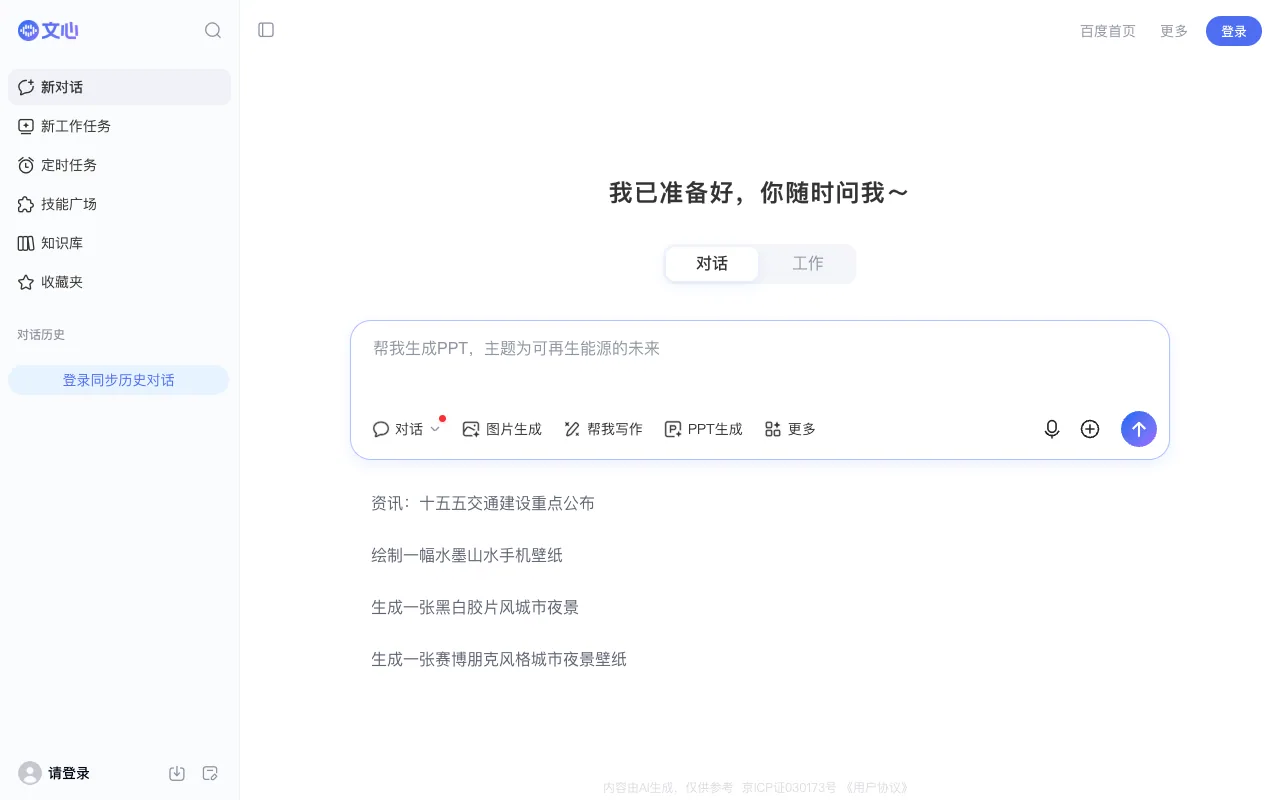
All six are directly accessible in China: Doubao covers chat, writing, image generation, and voice calls for everyday use; Kimi handles long documents and deep research; DeepSeek is strong at step-by-step reasoning and code; Qwen covers office work and multimodal creation; ERNIE Bot fits Chinese writing and the Baidu ecosystem; Spark stands out in voice interaction and education. Pick by your main scenario first, try the free quota, then decide whether to pay.

Read the article →
Feature · 2026-11-23

Which AI Tool for Interior Design? Five Picks for Renders, Floor Plans, and Styling

A renovation breaks into four stages: renders, floor plans, soft furnishing, and final visuals. From the 153 design tools in the Lumo library, this guide picks five matched to each stage: Interior AI and Virtual Staging AI for renders, Planner 5D for floor plans and 3D, Canva and Jimeng for styling inspiration and finished visuals. All five are directly accessible from China; pricing follows each official site.

Read the article →
Feature · 2026-11-23

Notion vs Yuque: How to Choose for Personal Knowledge Bases and Team Docs

Notion and Yuque both handle docs and knowledge bases, but they organize them differently and suit different people: Notion shines at block editing and databases, fitting people and teams who want notes, tasks, and projects in one place; Yuque shines at structured knowledge bases, fitting teams that need clear hierarchies and long-term docs. Both are directly accessible from China; Notion uses a freemium model, and Yuque pricing follows its official site.

Read the article →
Feature · 2026-11-23

New on November 23: 51 Tools Added, Led by Platform and Coding

On November 23, the Lumo library added 51 tools, one more than the 50 counted in the early-hours roundup: platform 25 and coding 16, together four-fifths of the total; the rest are video 3, audio 2, design 2, and agent, chat, and writing 1 each. This article highlights 12 of them; pricing and access for the 51 are mostly unlisted in the library, so the official site is the source to check.

Read the article →
Guide · 2026-11-23

AI-Assisted Data Dashboards: From Data Sources to Visual Dashboards

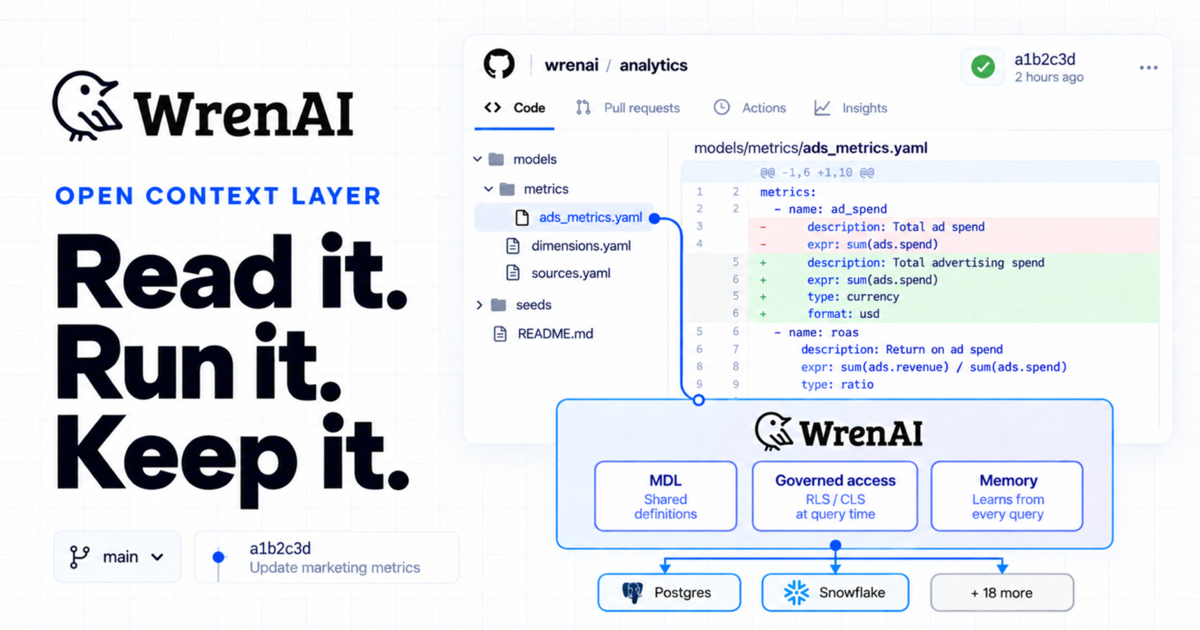
The short version: a usable dashboard starts by fixing which metrics to watch and where the data comes from, then picking the tool to build it. Tulvo suits small teams that want databases, boards, and documents in one adaptive workspace; Wren AI and Vanna take the open-source text-to-SQL route, letting people query databases in plain language; Sigma Computing and ThoughtSpot serve enterprise teams, with a spreadsheet interface and natural-language questions over governed data. The steps and pricing notes in this guide follow the five official sites as checked on 2026-11-23.

Read the article →
Guide · 2026-11-23

Local Model Fine-Tuning, Advanced: A Hands-On Path to DPO Preference Alignment

The short version: when a model can talk but its answers miss the tone you want, the next step is not more SFT data — it is DPO preference alignment. Start from a model that has already been through SFT, prepare paired preference data (one question, one answer you want and one you do not), and optimize the preference directly with TRL's DPOTrainer, with no reward model to train. Unsloth runs this flow on consumer GPUs, and the trained model can be exported as GGUF and run locally with Ollama.

Read the article →
Guide · 2026-11-23

AI-Assisted Code Refactoring: From Spotting Code Smells to Safe Refactoring

The short version: where AI helps refactoring is not finishing it in one shot, but finding every code smell first, ranking them, and then changing them one small step at a time with tests covering each step. Cursor, Claude Code, and GitHub Copilot can all do this, with different splits of the work: Cursor edits inside the editor with rollback at hand, Claude Code runs planned batch changes from the terminal, and Copilot carries work from issue to pull request inside the repository.

Read the article →
Feature · 2026-11-23

Arena Deep Dive: A Model Leaderboard Built on Blind User Votes

The model arena run by LMArena: real users vote in blind head-to-head tests and the votes become rankings, a common reference for how models are actually received. Free to use; access follows the official site.

Read the article →
Feature · 2026-11-23

tl;dv Deep Dive: Let AI Record the Meeting and Retell It

An AI tool dedicated to online meeting notes: it joins Zoom, Meet and Teams calls automatically, records, transcribes and summarises in one pass. Freemium model; access follows the official site.

Read the article →
Feature · 2026-11-23

How to Choose an AI Development Platform with Direct Access in China: Firecrawl, LiteLLM, Supabase, Groq, OpenRouter and Modal Compared

All six platforms offer direct access on a freemium model: Firecrawl turns web pages into model-ready data, LiteLLM and OpenRouter unify calls to many models, Groq makes inference fast, Supabase stores data and accounts, and Modal runs jobs in the cloud. Build a minimal pipeline first, then decide which part is worth paying for.

Read the article →
Feature · 2026-11-23

Combining AI Agent Platforms: How Coze, Dify, Manus, n8n, kwant and Cue Work Together

Agent platforms each cover one stretch: Coze and Dify turn capabilities into usable apps and workflows, Manus and Cue take tasks and run them to completion, n8n connects your systems, and kwant runs multi-agent collaboration locally. Decide whether you need an app, task execution, or system connections first, then combine by that division of labor.

Read the article →
Feature · 2026-11-23

Advanced AI Search Workflows: How Perplexity, Metaso, NotebookLM, Genspark, Quark and Baidu AI Search Work Together

The key to advanced search is layering: Quark and Baidu AI Search for quick Chinese lookups, Metaso for ad-free deep Chinese research, Perplexity and Genspark for cited English-language research, and NotebookLM for your own document collection. Check the same question in two or three tools and cross-verify before writing it into a conclusion.

Read the article →
Feature · 2026-11-23

Which AI Tools to Use for Making Stickers and Emojis?

Making a usable sticker set comes down to three steps: generating the image, cutting out the subject, and adding text. Jimeng generates images, Remove.bg and Photoroom handle cutouts, Meitu retouches and adds text, and Ideogram suits stickers with text jokes.

Read the article →
Feature · 2026-11-23

Which AI Tools to Use for Household Budgeting?

Household budgeting runs on a smooth routine, not willpower: Notion holds the ledger, while Kimi, DeepSeek, and Doubao handle calculations, categorization, and reviews, and ChatGPT fits budget plans and spending analysis. A fixed ledger makes reviews possible.

Read the article →
Feature · 2026-11-23

Which AI Tools to Use for Wedding Planning?

Wedding planning runs checklists, budgets, and vendors in parallel: Notion holds checklists and budgets, Gamma and Canva make plans and invitations, Jimeng creates wedding visuals, and Kimi compares prices and looks things up. Fix the checklist first.

Read the article →
Feature · 2026-11-23

Which AI Tools to Use for Logos and Brand Visuals?

A logo is not one image but a visual system: main mark, colors, type, and applications. Canva and Jimeng produce options fast, Ideogram handles wordmarks, Figma refines and documents the system, and Meitu covers everyday extensions.

Read the article →
Feature · 2026-11-23

Which AI Tools to Use for Surveys and Questionnaires?

A good questionnaire starts with a clear research goal, then unbiased questions. ChatGPT and Doubao draft the questions, Kimi polishes the wording, Perplexity researches background, and Notion organizes responses and reviews.

Read the article →
Feature · 2026-11-23

Vidu vs Hailuo: Two Popular AI Video Generators Compared

Vidu and Hailuo are both AI video generators directly accessible in China, both on freemium models. Vidu comes from Shengshu Technology and Hailuo from MiniMax; they differ less in availability than in the video types and use cases each handles best.

Read the article →
Feature · 2026-11-23

Cursor vs Windsurf: Two Popular AI Code Editors Compared

Cursor and Windsurf are both AI-native code editors on freemium models. Cursor is directly accessible in China; check Windsurf's official site for access details. Note: Windsurf's site now redirects into the Devin system, so check the official site for current features and entry points.

Read the article →
Feature · 2026-11-23

New Arrivals on November 23: 50 New Tools, Led by Platform and Coding

On November 23, Lumo released 50 newly listed tools in one batch: 25 platform tools, 16 coding tools, 3 video, 2 audio, and one each in agent, chat, writing, and design. Pricing and mainland China access for all 50 are marked unverified in the library, so the official website applies in every case.

Read the article →
Guide · 2026-11-23

AI Contract Review Basics: Extracting Key Terms and Flagging Risks

The takeaway: letting AI take a first pass over a contract quickly surfaces key terms and risk flags, but it only assists and never replaces a lawyer. Harvey serves law firms and in-house legal teams with contract review and legal research, Spellbook reviews and rewrites clauses inside Word, Luminance reviews, negotiates, and analyzes contracts in bulk, and Osmaura helps firms spot clients showing signals of needing a lawyer.

Read the article →
Guide · 2026-11-23

AI-Assisted Reading Shares: From Highlighted Notes to a Sharing Script

The takeaway: a reading share does not have to start from a blank page—collect highlighted notes in Notion, then use Kimi, Doubao, and DeepSeek for organizing, drafting, and follow-up questions, and assemble a script you can actually present. Notion holds and organizes the notes, Kimi handles long documents and web search, Doubao drafts the Chinese spoken script, and DeepSeek handles deep follow-up questions and analysis.

Read the article →
Guide · 2026-11-23

AI Customer Service Automation: From an FAQ Library to Smart Replies

The takeaway: automated customer service starts with the knowledge base and only then the Q&A—once the FAQ library is complete, smart replies have a trustworthy source of answers. Coze builds chatbots and agents with no code, Dify is an open-source platform for visual workflow and knowledge-base orchestration, FastGPT is open source for knowledge-base Q&A and RAG retrieval, and Lingguang works as a personal aide helping the service lead follow up on tasks and draft replies.

Read the article →
Feature · 2026-11-22

QuillBot Deep Dive: A Paraphrasing Tool for More Natural-Sounding English

QuillBot focuses on English paraphrasing and polishing: paste English text, switch between Fluency, Formal, Concise and other styles to rephrase it, with grammar checking, summarization, citation generation and plagiarism checking built in. It suits students and professionals writing essays, applications and work emails; it is directly accessible in China and uses a freemium model.

Read the article →
Feature · 2026-11-22

Synthesia Deep Dive: Training Videos with AI Avatars, Without Filming

Synthesia is an enterprise AI video platform: import text, documents or slides, pick an AI avatar and voiceover, and generate a video with a presenter on screen, in more than 140 languages. It suits corporate training teams and global teams producing multilingual training, policy and marketing videos at scale; it is directly accessible in China and uses a freemium model.

Read the article →
Feature · 2026-11-22

Advanced AI Video Workflow: Six Tools from Script to Finished Cut

Across script, storyboard, generation, editing, and publishing, six video tools split the work by stage: Jimeng sets the storyboard, Kling, Hailuo, and Vidu generate footage in turns, and CapCut and Runway finish the cut.

Read the article →
Feature · 2026-11-22

AI Image Combo Playbook: Six Tools That Combine into One Usable Image

Five steps—image, wording, poster, retouching, cutout—split across six tools: Midjourney and LiblibAI make the main image, Ideogram fixes the wording and posters, Firefly retouches, and Photoroom cuts out and swaps backgrounds.

Read the article →
Feature · 2026-11-22

ElevenLabs vs Murf AI: How to Choose Between Two AI Voiceover Tools

Both ElevenLabs and Murf AI turn text into natural voiceovers: Murf AI offers more than 200 voices in multiple languages with control over tone, pauses, and speed, and is directly accessible in China; ElevenLabs focuses on speech synthesis. Both are freemium, so try the voices before choosing.

Read the article →
Guide · 2026-11-22

Automating Podcast Editing with AI: Cutting Silences and Marking Chapters

The slowest parts of podcast editing are cutting silences, removing filler words, and marking chapters. This guide uses Descript as the main tool: import the recording, get an automatic transcript, edit by deleting words, remove filler words in one pass, mark chapters by topic, then cut highlights into short clips with CapCut or JianYing.

Read the article →
Guide · 2026-11-22

A Beginner's Guide to Local Model Fine-Tuning: A Practical LoRA Path

LoRA trains only a small set of added parameters, yet it can teach an open model your task and style. This guide follows a local open-source path: Unsloth sets up the environment and runs training, Hugging Face supplies the base model and the PEFT documentation, and Ollama runs the fine-tuned model locally — with no sign-up or payment for any overseas cloud service.

Read the article →
Guide · 2026-11-22

Using AI to Optimize Your Resume and Track Applications: From Job Descriptions to a Tracking Sheet

Resume optimization is not about getting AI to write a fake resume; it is about using the job description as a yardstick, matching each experience against it, quantifying results, and logging every application in a Notion tracking sheet. The main path uses three models that open directly in China — DeepSeek, Kimi, and Doubao — with Notion for tracking; ChatGPT and Claude are only mentioned as alternatives, with no sign-up or payment steps.

Read the article →
Feature · 2026-11-22

Doubao vs Qwen: Everyday Assistant or All-Round Office Assistant — How to Choose

Doubao and Qwen are both free AI assistants reachable directly from China: Doubao, from ByteDance, covers conversation, writing, image generation, and voice calls; Qwen, from Alibaba Cloud, is strongest in office scenarios with documents, images, and presentations — pick Doubao for everyday all-round use, Qwen for document-heavy office work.

Read the article →
Feature · 2026-11-22

Claude vs Gemini: Long-Form Fine Work or Google Ecosystem Links — How to Choose

Claude and Gemini are both flagship AI assistants from abroad: Claude is strong at long-document reading, writing, and code, with careful and reliable answers; Gemini is Google's multimodal assistant, deeply connected with its ecosystem — pick Claude for long-form fine work, Gemini if you already live in Gmail and Google Docs.

Read the article →
Feature · 2026-11-22

Which AI Tools for Cooking? From Picking Recipes to Keeping a Family Cookbook

Which AI tools should you use for cooking? Samsung Food and Doubao for picking recipes, Kimi and ChatGPT for walking through the steps in detail, and Notion for keeping the good dishes in a family cookbook. Doubao is listed in our library under a free model; check the official websites for the other four.

Read the article →
Feature · 2026-11-22

Which AI Tools for Writing WeChat Articles? Five Tools from Drafting to Layout and Cover Images

Which AI tools should you use for writing WeChat articles? Doubao for drafting and revising, Kimi for organizing long source materials, WeMD and Wenyan for layout and publishing, and RedYA AI for titles and cover images. Doubao and Wenyan are listed under a free model; WeMD and RedYA AI pricing is as stated on their official websites.

Read the article →
Guide · 2026-11-22

Using AI for User Feedback Analysis: From Comments to a Product Improvement List

Collect comments, tickets, and survey answers into one table, then use ChatGPT or Claude to group them by theme, count occurrences, and rank them into an improvement list where every item traces back to the original feedback. No coding is needed, and the steps were checked against the official help centers.

Read the article →
Guide · 2026-11-22

Using AI to Build a Content Calendar: From Topics to a Scheduled Plan

Use ChatGPT to generate 30 topics and headline drafts in bulk, filter them by hand, then place them in a Notion database and schedule them in the calendar view: a whole month in one pass, with status, owner, and publish date in the same table. The steps were checked against the Notion help center.

Read the article →
Guide · 2026-11-22

Using AI for Competitor Analysis: From Public Information to a Comparison Table

Set 3 to 5 comparison dimensions first, use Perplexity to gather information from public sources for each competitor and check every citation, then organize it into a comparison table with ChatGPT or Claude. Every key conclusion can be rechecked against its original page, using only public information.

Read the article →
Feature · 2026-11-21

CapCut Deep Dive: ByteDance's Global Video Editing Tool — How AI Captions and Templates Save Creators Time

CapCut is ByteDance's video editing tool for the global market and the international version of Jianying: timeline editing, automatic captions, templates, and AI features are gathered in one tool, with desktop, web, and mobile versions for continuing a project anywhere. It uses a freemium model, and its website can be reached directly from China.

Read the article →
Feature · 2026-11-21

Gamma vs WPS AI: A Fast Deck Maker or an In-Place Office Assistant — How to Choose

Gamma and WPS AI both work on presentations and documents: Gamma turns one sentence into a slide deck or web page quickly, while WPS AI is Kingsoft Office's AI writing and document assistant living inside WPS documents. Both are freemium; WPS AI opens directly in China, while Gamma's access follows its official website.

Read the article →
Feature · 2026-11-21

November 21 New Arrivals: 50 New Tools, with Agents Taking Nearly 40%

On November 21, Lumo Hub added 50 tools, 18 of them agents — nearly 40% of the day's intake. This roundup covers 12 of them, including Linger, Tripmojo, and Postiz, and summarizes the other 38 by category. Pricing and access are as stated on each official website.

Read the article →
Guide · 2026-11-21

Writing Technical Documentation with AI: From Code Comments to API Docs

Technical documentation has to move with the code: comments follow functions, the README follows the repository, and API docs follow interfaces. Cursor writes comments, Claude Code reads the whole repository to draft the README, and GitHub Copilot fills in API descriptions from interface signatures — and every track must be verified by running it.

Read the article →
Guide · 2026-11-21

Speeding Up Local Model Inference: Key llama.cpp Tuning Parameters

Tuning llama.cpp comes down to a few moves: get the service running with llama serve, set -ngl by VRAM, -c by conversation length, and --temp and --top-p by task, then compare against Ollama quantization levels to find the settings that are enough on your machine.

Read the article →
Feature · 2026-11-20

Higgsfield Deep Dive: An AI Video Tool That Turns Camera Moves into Presets

Higgsfield is an AI video and image generation platform known for camera movement: push, pull, pan, track, and orbit moves are packaged as presets that can be applied directly, so picking a preset and adding a short scene description produces a clip. It supports text-to-video and image-to-video generation on a freemium model; availability is as stated on its official website.

Read the article →
Feature · 2026-11-20

Google AI Studio Deep Dive: Google's Testing Ground for Gemini Models

Google AI Studio is Google's testing ground for Gemini models, aimed at developers: try models and tune prompts in the browser, then export the verified setup as calling code in Python or JavaScript with one click and generate an API key. It uses a freemium model, and use in China requires special network conditions.

Read the article →
Feature · 2026-11-20

November 20 New Arrivals: 50 New Tools, with Coding and Platform in the Lead

On November 20, Lumo Hub added 50 tools: 13 in coding and 12 in platform, half of the day's intake. This roundup covers 12 of them, including TestSprite, ToolJet, and Emdash, and summarizes the other 38 by category. Pricing and access are as stated on each official website.

Read the article →
Guide · 2026-11-20

Automating Meeting Notes with AI: From Recording and Transcription to Sharing Minutes

Automating meeting notes is a three-stage pipeline: record and transcribe with iFLYTEK Listen or Tongyi Tingwu to get a draft, proofread it and refine it into structured minutes, then share and archive it so action items land with owners. For meetings in English, Granola offers a background-transcription route.

Read the article →
Feature · 2026-11-19

Photoroom Deep Dive: An AI Product-Photo Tool Built for E-commerce Listings

Photoroom is an AI image editor for e-commerce product photos from a French company: one-click background removal, background replacement, and resizing for each platform, plus bulk editing and a brand kit. It uses a freemium model; availability is as stated on its official website.

Read the article →
Feature · 2026-11-19

Genspark Deep Dive: Search and Agents Combined into One Workbench

Genspark combines AI search with agents into a workbench: describe a need in one sentence and it handles retrieval, organization, and delivery of topic pages, reports, slides, or spreadsheets. It uses a freemium model, and use in China requires special network conditions.

Read the article →
Feature · 2026-11-19

Suno vs Mureka: How to Choose Between Two AI Music Generation Tools

Both Suno and Mureka turn text or lyrics into complete songs with vocals: Suno serves a global audience on a freemium model with well-structured songs in one pass, while Mureka, from Kunlun Tech, is directly accessible in China and is stronger at editing and mixing after generation.

Read the article →
Feature · 2026-11-19

Learning Tools as an Advanced Workflow: From Studying to Practice to Research

Learning tools divide into three stages — studying, practice, and research: Khanmigo and Duolingo handle studying, Speak and Quizlet handle practice, and Elicit and SciSpace handle research. All six come from the 69 published learning tools in Lumo Hub, and following them in order gives a complete advanced workflow.

Read the article →
Guide · 2026-11-19

Local Model Evaluation Workflow: Scoring Several Models on the Same Prompts

Choosing a local model does not have to rely on gut feeling: fix temperature at 0, send the same prompts to llama3.2 and qwen2.5 one by one through Ollama's /api/generate endpoint, save the answers together with the timing statistics the API returns, and score each answer against a rubric written in advance. For a speed-only check, add throughput numbers from llama.cpp's llama-bench.

Read the article →
Guide · 2026-11-19

Turning Podcasts into Articles with AI: From Audio Transcription to Multi-Platform Publishing

Podcasts are easy to forget because nothing gets saved after listening: first transcribe the audio into text with iFLYTEK Listen or Tongyi Tingwu, then paste the link into BibiGPT to get a timestamped summary and chapter outline, rewrite it as an article, save it in Notion, and publish it on WeChat Official Accounts and Xiaohongshu. A new BibiGPT account comes with 120 free minutes, so you can run the full flow once without paying.

Read the article →
Guide · 2026-11-19

Writing Weekly Reports with AI: From Work Notes to Structured Updates

Weekly reports are hard to write not because there is nothing to say, but because the notes are scattered: quick points sit in chat logs and memos, and by the weekend they no longer line up with the days they happened. This guide splits the work into recording, organizing, and archiving: jot notes down during the week, hand them to ChatGPT or Claude on the weekend to organize into a structured report, and save it in Notion for reuse, so a clear report takes about half an hour.

Read the article →
Guide · 2026-11-18

AI-Assisted User Research: Interview Guides, Note Organization, and Insight Extraction

User research does not have to start from a blank page: use Perplexity and Metaso AI Search for background research and an interview guide, then put the interview notes into NotebookLM to organize them and extract insights. The three tools have clear roles, the whole flow works on their free plans, and key findings should always be checked against the original notes.

Read the article →
Guide · 2026-11-18

Serving Local Models as an API: Connecting Ollama Models to Your Own App

Ollama turns open models into a local API on your computer: install it, pull a model, and call it with HTTP requests, so your own small app no longer depends on a cloud model API. This guide walks through installation, pulling a model, and calling the API, following the official documentation.

Read the article →
Guide · 2026-11-18

AI-Assisted Market Research Reports: From Public Data Collection to Insight Output

A market research report does not have to start with reading piles of material from scratch: collect public data and industry updates with Metaso AI Search and Perplexity, draft the structure and first draft with DeepSeek, then fill in citations and check every number. This guide gives a workflow you can run through in a day.

Read the article →
Feature · 2026-11-17

HeyGen Deep Dive: Talking-Head Videos Without Filming — Does the Digital Human Route Work?

HeyGen is an AI digital-human video platform: paste a script and it produces a video of a lifelike presenter speaking it, and it can translate finished videos into other languages while syncing lip movements. It fits bulk training videos, product explainers, and localized content for overseas audiences. Pricing is listed on the official website.

Read the article →
Feature · 2026-11-17

ChatGPT vs Gemini: Two General-Purpose Chat Assistants — Which One Should You Keep?

ChatGPT and Gemini are both freemium, general-purpose chat assistants, and access from China is restricted for both. ChatGPT covers a wider range of tasks, while Gemini stays close to Google's models and multimodal capabilities. If you only want one daily driver, start from whichever company's services you already use.

Read the article →
Feature · 2026-11-17

Advanced AI Image Workflows: Six Tools, From a Single Prompt to Batch Production

A single prompt is only the starting point. This workflow assigns six tools by stage: Midjourney and Jimeng handle generation, LiblibAI and SeaArt handle style reuse, Firefly and Ideogram handle retouching and text layout, and Jimeng and LiblibAI handle batch production. Lumo's library now lists 50 image tools; this article takes six of them to lay out one reusable pipeline.

Read the article →
Feature · 2026-11-17

Advanced AI Agent Workflows: Six Tools, From a Single Assistant to Multi-Agent Orchestration

One assistant can chat; only multiple agents can get things done. Coze and Dify handle building, Dify and n8n handle orchestration, Manus runs long tasks, kwant handles multi-agent parallel work and checks, and Cue handles always-on errands. Lumo's library now lists 346 agent tools; this article takes six of them to lay out a path from a single assistant to orchestration.

Read the article →
Feature · 2026-11-17

New Arrivals on November 17: 30 Tools Added, Including 9 Remote Control Tools

On November 17, Lumo's hub added 30 newly published tools, the largest single-day batch of the past week: 16 platform tools, 5 coding and 5 agent tools, 2 video tools, and 1 design and 1 writing tool each. Nine remote control and streaming tools arrived together, matching the remote control collection the site split out the same day; Shot.video, RoboDust, and ZAOMENG SHOWCASE also joined the AI-built collection.

Read the article →
Guide · 2026-11-17

Using AI for Automated Testing: From Test-Case Generation to Regression Runs

Let coding agents generate test cases in your project's existing test style, record the critical path with Playwright, and run regressions: AI writes drafts and fixes failing cases, while you own the assertions and acceptance criteria. This guide follows the official docs of Claude Code, Cursor, GitHub Copilot, and Playwright.

Read the article →
Feature · 2026-11-16

AI Search as a Combo: Six Tools Form a Pipeline from Quick Questions to Deep Research

A single search tool rarely covers quick questions, deep Chinese-language research, and saving sources at the same time. Split the work across Perplexity, Metaso, NotebookLM, Genspark, Quark, and Baidu AI Search: quick questions get sourced answers first, Chinese-language digging goes to Metaso, sources settle into NotebookLM, and Genspark closes the loop with live tracking and assembly, while Quark and Baidu AI Search serve as free entry points that work directly in China.

Read the article →
Feature · 2026-11-16

AI Writing as a Combo: A Six-Tool Pipeline from Drafting to Polishing to Presenting

One article passes through drafting, finishing, translation and polishing, and presenting. Six tools each take one stretch: Notion handles drafting and saving, WPS AI edits inside the document, Gamma turns the finished draft into slides and web pages, and DeepL, QuillBot, and Grammarly close in the order of translation, rewriting, and checking, with the draft moving only forward along the line, never back and forth.

Read the article →
Feature · 2026-11-16

Which Five AI Tools to Use for Travel Planning

Check guides, build the itinerary, and ask questions on the go: Perplexity looks up real-time information, Kimi turns long documents into an itinerary, Doubao handles everyday questions, Notion saves the trip as a reusable document, and ChatGPT handles multilingual communication during the trip.

Read the article →
Feature · 2026-11-16

Canva vs Figma: How to Choose Between an Online Design Platform and a Collaborative Interface Design Tool

Canva is an online design platform with plenty of templates, suited to social media images, posters, and presentations made quickly; Figma is a collaborative interface design tool with real-time multi-user editing, suited to product interfaces and prototypes. Both are freemium and directly accessible from China — the choice depends on what you need to make.

Read the article →
News · 2026-11-16

New Arrivals on November 16: 17 New Tools at a Glance

Lumo added 17 published tools on November 16: 6 in platform, 4 in agent, 3 in coding, 3 in audio, and 1 in writing — covering agent teams, phone-PC linking, document parsing, meeting notes, and an Obsidian workspace.

Read the article →
Feature · 2026-11-15

Lovable Deep Dive: Build a Working Web App by Talking to AI

Lovable turns plain-language descriptions into web apps that run and can be deployed, with live preview, multi-round iteration, and back-end features. Freemium; check the official site for access.

Read the article →
Feature · 2026-11-14

Sora Deep Dive: The Rise and 2026 Shutdown of OpenAI's Text-to-Video App

Sora was OpenAI's text-to-video model and creation app. Sora 2 added synced audio, reusable characters, and social features to short video generation, but the web and app experiences were discontinued on April 26, 2026, and the API followed on September 24, 2026. As of November 14, 2026, sora.com shows only an export notice. This article reviews what Sora did, based on OpenAI's official pages, and what existing users should do now.

Read the article →
Feature · 2026-11-14

v0 Deep Dive: Turning One Sentence into a Page You Can Ship

v0 is Vercel's generative UI tool: describe the interface you want in natural language, and it returns working front-end code built on React, Tailwind CSS, and shadcn/ui, which can be deployed to Vercel in one click. What it produces is real code you can keep developing, not an image-like mockup.

Read the article →
Feature · 2026-11-14

Choosing an AI Search Tool by Scenario: 6 Options for Research, Fact-Checking, and Long Documents

There is no single answer across these 6 tools: use Perplexity for fast fact-checking, Metaso for in-depth research in Chinese without ads, NotebookLM for question-answering grounded in your own documents, Genspark for a research brief from one sentence, Quark for searching and saving files on your phone, and Baidu AI Search for Chinese news and local information.

Read the article →

Guide · 2026-11-14

AI Data Analysis Workflow: From CSV to a Visual Report, Step by Step

Before handing a CSV to ChatGPT or Claude, tidy the table to the official requirements; during analysis, ask the AI to show its method and code, spot-check the numbers against the source file, and only export the charts into your report once they check out.

Read the article →
Guide · 2026-11-14

Voice Cloning and Dubbing Workflow: How to Replicate a Voice Legally and Put It to Work

ElevenLabs' rules are clear: a Professional clone may only clone your own voice, even with the other person's consent, and an Instant clone still asks you to confirm the right and consent when you save it. Clear the authorization question first, then make an Instant clone from 1–2 minutes of audio or a Professional clone from 30 minutes or more, and plug the result into a dubbing workflow.

Read the article →

Feature · 2026-11-13

Gemini vs Grok: How to Choose Between Google and xAI Chat Assistants

Gemini and Grok are both freemium chat assistants with restricted access in China. Gemini builds on Google's ecosystem and recently added Gemini 4 Hydrogen for agentic workflows, while Grok leans on real-time web search and multimodal generation.

Read the article →

Guide · 2026-11-13

Local model fine-tuning for beginners: the LoRA workflow and pitfalls to avoid

LoRA trains only a small set of added parameters, which suits running the full fine-tuning flow locally at a small scale: prepare a clean small dataset and a small base model first, then follow the official PEFT flow to write the config, train, save the weights, and load them for inference.

Read the article →

Feature · 2026-11-12

LiblibAI Deep Dive: How a China-Based Model Community Closes the Loop on Image Generation, Training, and Reuse

LiblibAI is a China-based AI creation platform and model community: online text-to-image and image-to-image generation, community models and LoRA, and online model training, with online entries for both WebUI and ComfyUI. It is directly accessible in China and runs on a freemium model with a daily free generation allowance. As of 2026-11-12, Lumo's hub lists 50 tools in the image category, and LiblibAI is one of the more complete community-style entries among them.

Read the article →

Feature · 2026-11-12

Combining AI Coding Tools: Six Tools Sharing the Work from Idea to Working Code

No single coding tool covers the whole journey from idea to working code — the point of combining them is the division of labour: Trae and Cursor turn ideas into runnable projects quickly, Claude Code and Windsurf take on older projects and large cross-file changes, and OpenCode and Qwen Code stay in the terminal for everyday tasks. Pick one main tool first, then add a second where you get stuck.

Read the article →
Feature · 2026-11-12

Combining AI Chat Assistants: Reasoning, Long Documents, Search, and Multi-Model Comparison Across Six Tools

Six chat and search tools, each with its own job: DeepSeek for deep thinking and code, Kimi for long documents, Qwen for office documents, Metaso AI Search for real-time fact-checking, Poe for comparing multiple models side by side, and Doubao as the everyday general-purpose entry point. Assigning tasks by tool instead of forcing one tool to do everything saves detours over the course of a day.

Read the article →

Feature · 2026-11-12

Which AI Music Tool Should You Use? Five Tools for Songwriting and Scoring

For AI music, choosing by use case works well: Suno and Udio fit songwriting, Soundraw and Mureka fit scoring, and AIVA fits adaptation and expansion. This guide takes five tools from the 88 audio tools in the Lumo library and compares them by access and pricing model, with a reminder to check licensing before publishing anything.

Read the article →
Feature · 2026-11-12

Kimi vs Qwen: Long Documents or Everyday Versatility — How to Choose?

Kimi is strong with long documents, while Qwen covers everyday tasks more broadly: both are directly accessible in China, Kimi uses a freemium model and Qwen is free. People who often read research reports, papers, and contracts can try Kimi first, while people juggling varied daily tasks can try Qwen first — or keep both and switch by scenario.

Read the article →

News · 2026-11-12

New Arrivals on November 12: 17 New Tools, Nearly Half in the Platform Category

On November 12, the Lumo hub added 17 newly published tools: 7 in the platform category — nearly half — 2 each in design, coding, agent, and audio, and 1 each in video and writing. This roundup goes through them category by category, following the hub entries' names and categories, with all 17 site pages verified to open on the day.

Read the article →

Guide · 2026-11-12

Advanced AI Image Generation: ComfyUI Node Workflows and Batch Generation, from Prompts to Workflows

The short version: ComfyUI turns image generation into a node graph you can edit again and again — load a model, write prompts, sample, decode, save — each step is a node and the wires are the process. Once a workflow is built, swapping the prompt, seed, or model produces images in batches, and the whole setup can be saved as JSON and reused. It fits creators who have already played with prompt-based image tools and now want to lock the process down and generate in batches.

Read the article →

Guide · 2026-11-12

Long-Term Memory for Agents in Practice: Building, Maintaining, and Fixing Cross-Session Memory

The short version: an agent's long-term memory has three layers — rule files written by you, automatic memory the agent writes itself, and an external memory layer such as Mem0. Each layer has its own job: rule files govern how work is done, automatic memory holds what you corrected last time, and the memory layer holds user facts shared across sessions and tools. Memory is not written once and forgotten; it is written down, used, and cleaned regularly. It fits developers who already use a coding agent daily and want it to remember project conventions and personal preferences across sessions.

Read the article →

Guide · 2026-11-12

Coding Agents in Practice: From Requirements to Launch — A Full Walkthrough of a Small Todo App

The short version: a small todo app can go from requirements to launch in five steps — break down the requirements, write the rule files first, implement step by step, test and fix, then run the launch checks. Let the agent read the requirements and produce a plan, review the plan before it writes code, do one step at a time, and run each step before moving on; when fixing bugs, paste the original error message so the agent can locate the cause. This article is a teaching example, not a review of a real production project, and contains no real launch data. It fits people who already use a coding agent and want to walk the full requirements-to-launch path for the first time.

Read the article →
Feature · 2026-11-11

Adobe Firefly Deep Dive: Generative AI Built Inside Photoshop, with Commercial Compliance as Its Trump Card

Adobe Firefly is a suite of generative AI tools launched by Adobe that can be used standalone on the web and is also embedded into Creative Cloud applications such as Photoshop and Illustrator. Operating on a freemium model, it suits designers and brand advertising professionals: when working on commercial projects like e-commerce photo retouching, advertising key visuals, and poster backgrounds, its licensing compliance and seamless integration with Photoshop make the workflow more convenient.

Read the article →

Feature · 2026-11-11

Hailuo Video Deep Dive: MiniMax's AI Video Generation for Creating Clips Directly from Text and Images

Hailuo Video is the video generation product under MiniMax's Hailuo AI, powered by proprietary video models and focused on quickly generating short videos from text or images. Featuring a freemium pricing model and direct access in mainland China, it suits short-video creators, marketers, and everyday users looking to try out AI video—ideal for testing product ad concepts, turning illustrations into animated clips, and producing social media assets at scale to validate whether an idea works at low cost.

Read the article →

Feature · 2026-11-11

Choosing an AI Development Platform by Scenario: Five Tools Matched to Finding Models, Running Inference, and Integrating APIs

Five AI development platforms sorted by scenario: Hugging Face offers the broadest catalog of open-source models and datasets, Replicate simplifies running models on a pay-per-use basis, Groq is an option for low-latency inference, OpenRouter connects hundreds of models through a single interface, and Ollama runs open-source models locally without an internet connection. Defining your scenario before choosing a platform saves more effort than comparing spec sheets upfront.

Read the article →

Feature · 2026-11-11

Free-First AI Chat Assistants: Get the Job Done on Free Tiers First, Comparing Six Freemium Options

Six chat assistants split by free availability: DeepSeek, Doubao, and Qwen can serve as primary tools on their free tiers alone, while Kimi, ChatGPT, and Poe follow a freemium model where you pay as needed. Start with the three directly accessible in mainland China to handle daily Q&A, long documents, and coding using free quotas before deciding which one to pay for.

Read the article →

Feature · 2026-11-11

Which AI Tool for Video Editing? Matching Jianying, CapCut, and Four AI Editors to the Right Scenario

Six video editing tools split by use case: Jianying and CapCut serve as everyday editing mainstays with direct access in mainland China, Opus Clip specializes in clipping long videos into shorts, Descript edits video by editing text, VEED offers online editing with AI subtitles, and Submagic focuses on dynamic short-form captions. Defining your editing scenario before picking a tool saves more effort than comparing feature lists first.

Read the article →
Feature · 2026-11-11

Trae vs Windsurf: ByteDance's AI Coding Tool or an AI-Native IDE?

Trae and Windsurf are both AI coding tools built around different workflows: Trae is ByteDance's AI coding tool with direct access in mainland China, suited for rapid product prototyping; Windsurf is an AI-native IDE that integrates the editor and agent into one environment for long-term coding. Choose based on whether you need fast prototyping or sustained daily development in an editor.

Read the article →

Feature · 2026-11-11

November 11 New Arrivals: 16 Tools Added, Half of Them Compact Apple Ecosystem Apps

On November 11, Lumo added 16 new tools: 8 are compact Apple ecosystem apps covering calendars, desktop organization, and note-taking; coding additions include Alibaba's open-source Qwen Code and the Claude Code desktop client BaoCode; other arrivals include domestic remote-control software LianLianKong (连连控) and AI news aggregator AIHOT; a free trial quota window for Qwen Code is also currently open.

Read the article →

Guide · 2026-11-11

Coding Agent Code Review Workflow: Let AI Review Before Merging, and How to Configure Review Checklists and Automated Checks

Bottom line first: let AI act as the first gate in code review, and have humans only review the issues it flags. After making local edits, have the Agent run a review in the editor first; after pushing, let Bugbot or Copilot automatically review the PR, write the review checklist into repository rule files, and feed the fix loop back into the same toolchain; suitable for small teams and solo developers already using coding Agents to write code and wanting to manage merge quality.

Read the article →
Guide · 2026-11-11

Local Knowledge Base Advanced Guide: Offline Q&A with Obsidian + Local Models, and the Trade-offs Between Privacy and Quality

Bottom line first: keep your notes on your local machine and run the model on your local machine, so Q&A never leaves your home. Obsidian notes are already local Markdown files, Ollama runs open-source models locally with a single command, and connecting them with the Local REST API plugin lets the local model read your notes directly for Q&A; suitable for people whose notes contain private information, who do not want to upload data to the cloud, and who still want AI to help search their notes.

Read the article →
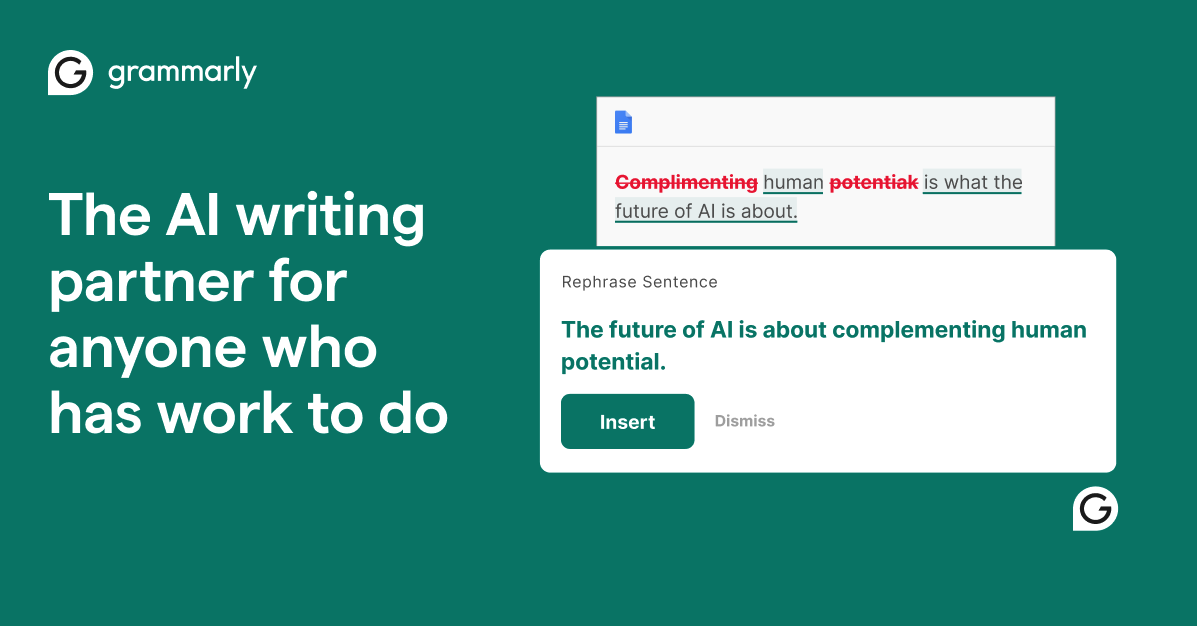
Guide · 2026-11-11

Multi-Model Parallel Comparison Workflow: Practical Guide to Sending the Same Task to Three Models and Comparing Side by Side Before Finalizing

Conclusion first: sending the same task simultaneously to 2–3 models and comparing them side by side before finalizing is more reliable than asking only one. Poe's multi-model chat lets you query multiple models at once, while OpenRouter lets you call hundreds of models through a single interface. The method is to send the exact same prompt to 2–3 models, compare their answers against a fixed three-item checklist, and pick one to finalize while using the rest for verification. It is suitable for writing important copy, making key decisions, and verifying factual tasks.

Read the article →
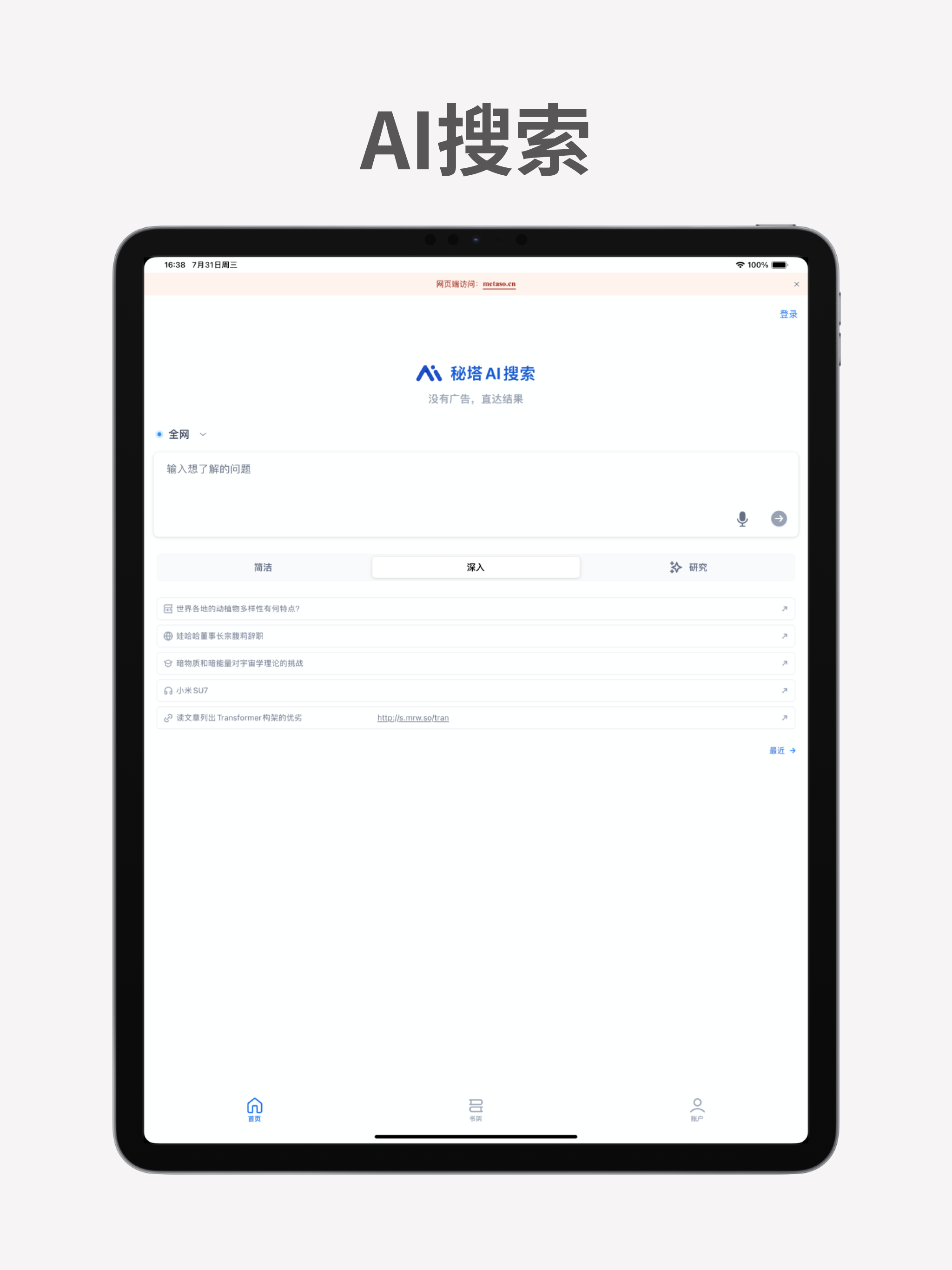
Feature · 2026-11-10

Manus Deep Dive: Hand It a Task and Wait for It to Bring Back the Results

Manus is a general-purpose AI agent: you hand it a complete task, and it breaks down the steps and invokes tools on its own until it delivers the result. Offered on a freemium model, it is suited for people with heavy research and document workloads who want to hand off repetitive information-gathering work in full.

Read the article →

Feature · 2026-11-10

Runway Deep Dive: Generation and Editing Done in the Same Workspace

Runway is an AI video creation platform known for its Gen series text-to-video models while retaining a full suite of AI video editing tools built up over years. It operates on a freemium model and suits short film and commercial creators, film pre-production staff, and designers looking to quickly validate ideas for concept reels, animatics, and product showcase videos.

Read the article →
Feature · 2026-11-10

Choosing AI Design Tools by Scenario: Matching Five Options for Posters, UI, and Photo Editing

Five design tools split neatly by use case: Canva works smoothly for posters and social graphics, Figma is the main arena for UI and collaborative design, Meitu Xiuxiu handles mobile photo editing and collages, and MasterGo and Pixso offer UI design with direct access in mainland China. Picking the scenario before the tool saves more effort than comparing feature lists first.

Read the article →

Feature · 2026-11-10

Choosing AI Learning Tools by Scenario: Six Tools Matched to Vocabulary Memorization, Literature Search, and Speaking Practice

Six learning tools divided by scenario: Duolingo and Quizlet handle language and memorization, Elicit and SciSpace handle academic search and literature study, Khanmigo handles tutoring and Q&A, and Speak handles speaking practice; deciding on the learning task before choosing a tool is simpler than comparing feature lists first.

Read the article →
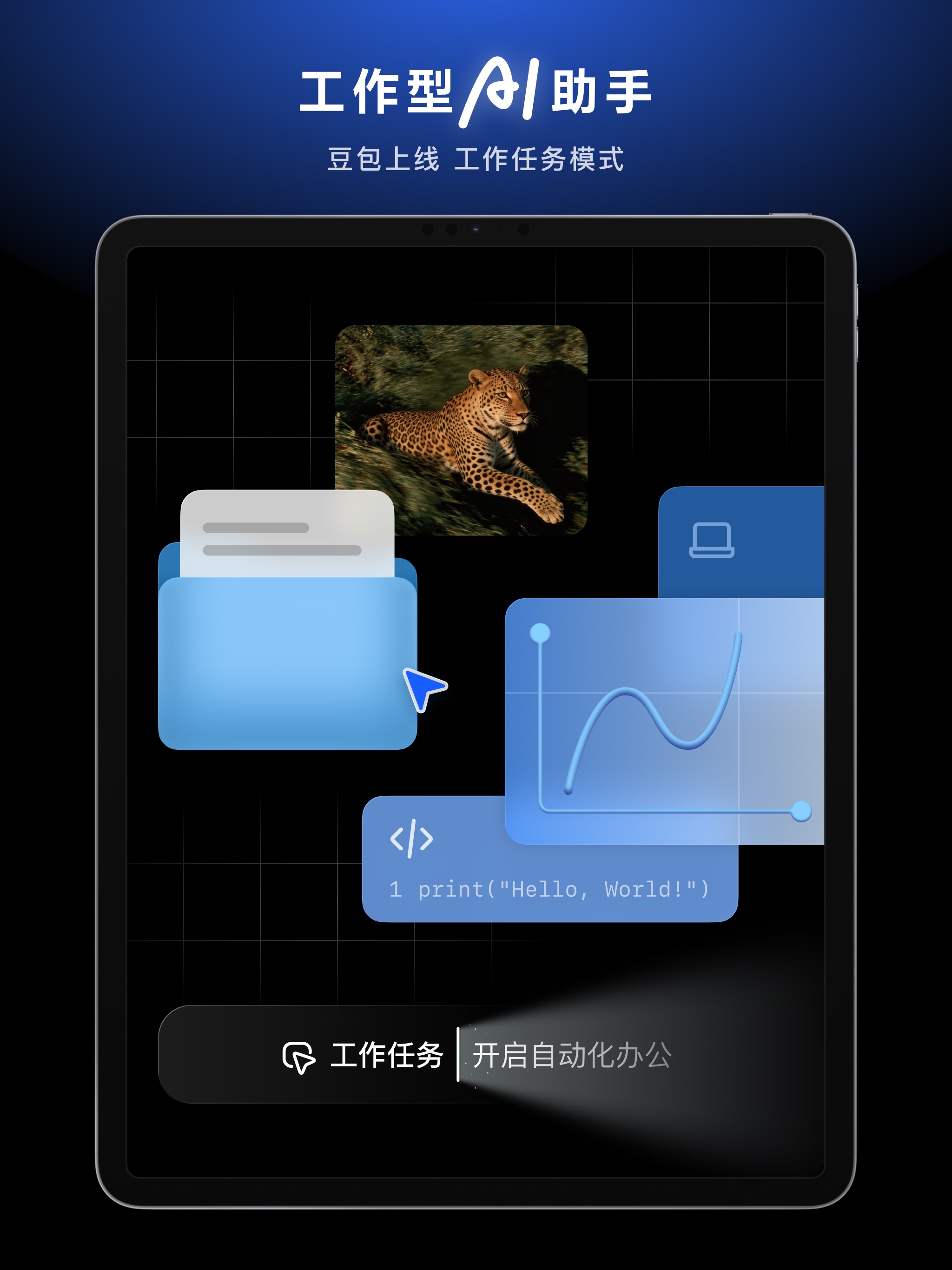
Feature · 2026-11-10

Which AI Tool to Use for Legal Work? Four Tools Matched to Contract Review, Legal Research, and Law Firm Client Acquisition

AI tools for legal work divided by workflow stage: Harvey and Luminance handle batch contract review and due diligence, Spellbook embeds in Word to draft and rewrite contract clauses, and Osmaura handles client development for law firms; all four target law firms and corporate legal departments, so individual users should look at lightweight forms first before deciding whether to adopt a platform.

Read the article →

Feature · 2026-11-10

Kling vs. Runway: Direct Access and Fast Chinese Output vs. Integrated Generation and Editing—How to Choose?

Both Kling and Runway are primary entry points for video generation, though their strengths lie in different directions: Kling is Kuaishou's AI video generation platform offering direct output from Chinese descriptions and direct domestic access in China; Runway is an AI video creation platform where generation and editing happen in one workspace, requiring specialized network access from within China. Consider where you are using the tool and whether you need to finish editing in the same place first.

Read the article →
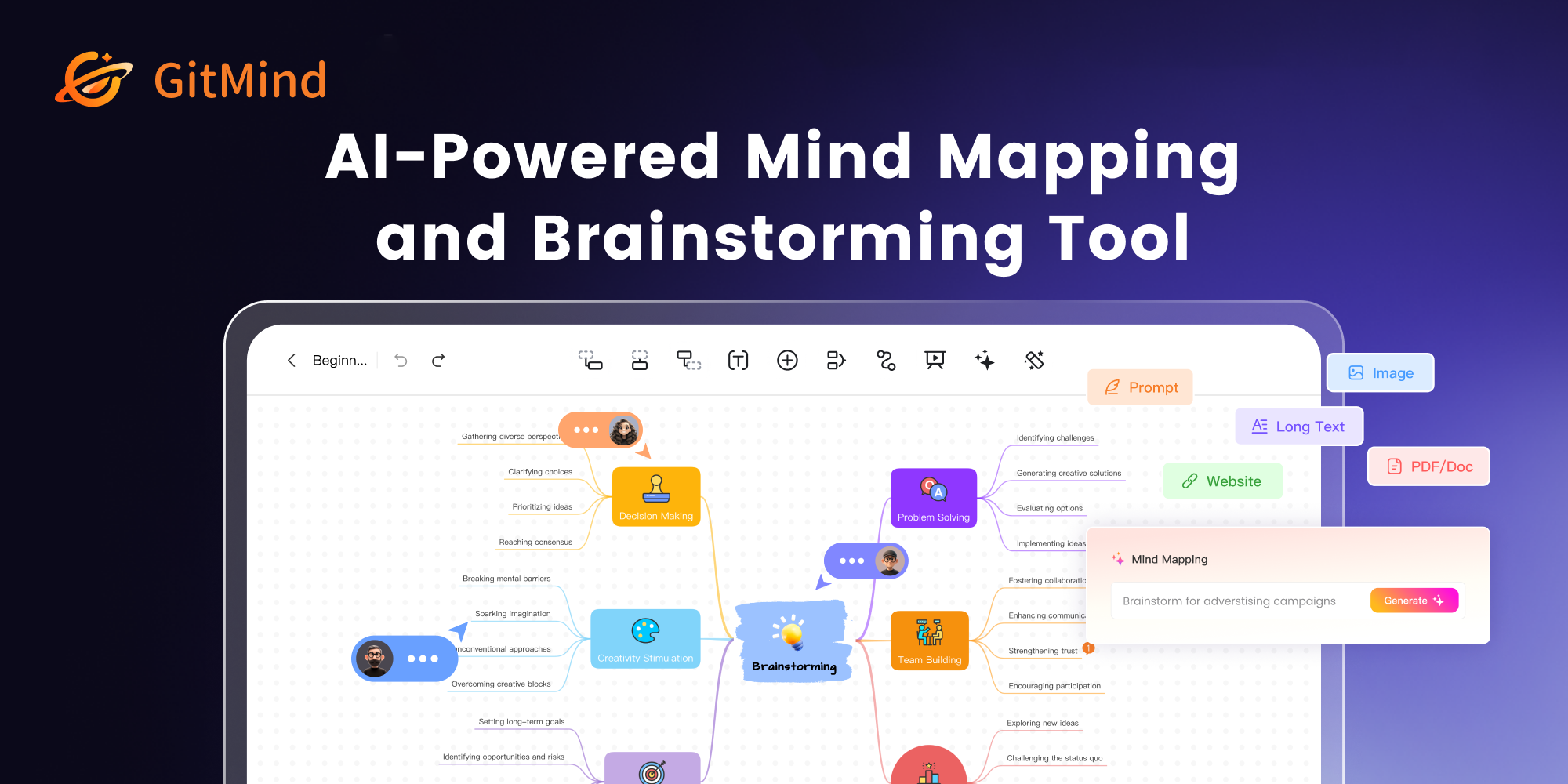
News · 2026-11-10

November 10 New Arrivals: 26 New Tools Listed, Led by Platform and Writing Categories

Based on Lumo Hub listing dates, 26 new tools were added on 2026-11-10: 10 in the platform category, 7 in writing, and 5 in agent; among them, Kimi's new site entry and the open-source agent workbench Kiro Crew are particularly worth checking out first, alongside four Obsidian plugins listed at once. Below, 12 tools are highlighted across four groups: platform, agent, writing, and learning.

Read the article →
Guide · 2026-11-10

Short-Video Production Pipeline: Connecting Script, Visuals, Voiceover, and Editing Tools into a Batch Workflow

Do not produce short videos manually one by one: generate drafts with a chat assistant for scripts, create visuals with Jimeng or Kling, handle voiceovers with ElevenLabs or CapCut text-to-speech, finish editing in CapCut, and finally batch-clip long videos into shorts with OpusClip. Assign each of the four stages to its dedicated tool so a single pipeline can run at batch scale.

Read the article →
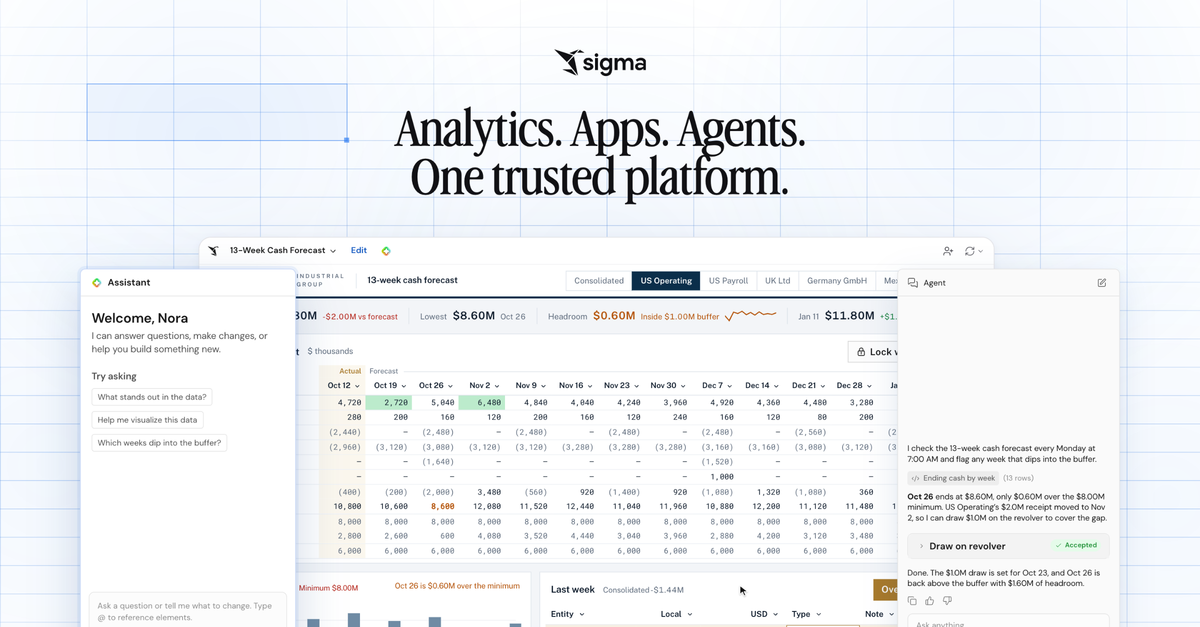
Guide · 2026-11-10

Model Routing to Cut Costs: Routing Simple and Complex Tasks Across Models with Practical Gateway Setup

Most spending on model API calls goes toward using large models for small tasks. Set routing rules first—send simple tasks to inexpensive small models and reserve flagship models for complex tasks. Then use LiteLLM Proxy to consolidate multiple providers behind one OpenAI-compatible endpoint so clients only change a single URL to switch, with OpenRouter as a supplement for connecting hundreds of models and automatic fallback.

Read the article →

Guide · 2026-11-10

Turning Webpages into APIs: A Practical Pipeline for Scraping and Structuring Tools (Cleaning, Field Extraction, Scheduled Updates)

Turning webpages into APIs takes three steps: first, Jina Reader converts single pages into LLM-friendly Markdown; next, Firecrawl scrapes in batches and extracts structured data; finally, scheduled tasks update periodically, deduplicate, and write to your own database. Use Jina Reader for single-page debugging and Firecrawl for batch scaling—clarify the division of labor between the two tools first.

Read the article →
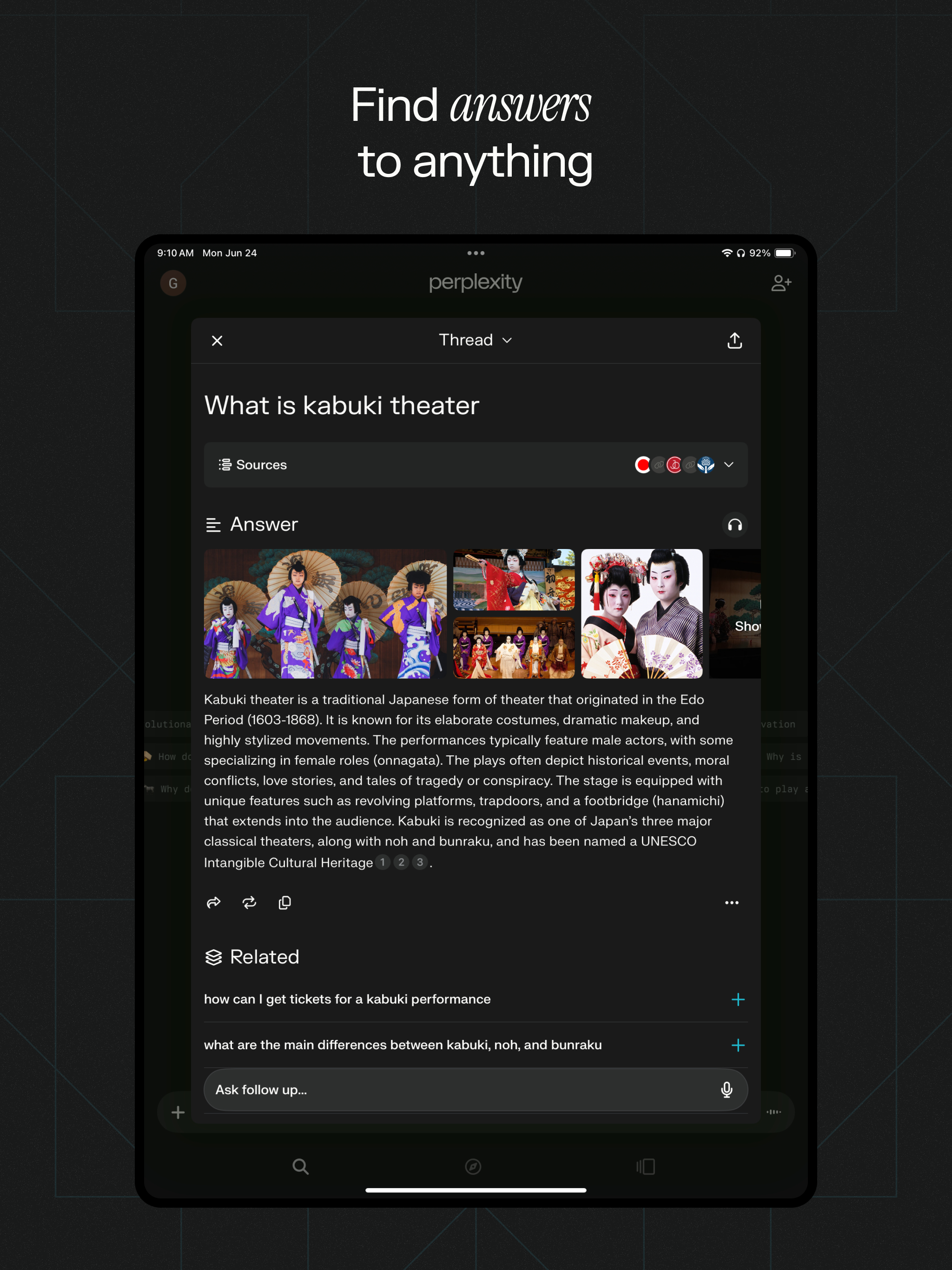
Guide · 2026-11-09

How to Fix a Skill That Never Triggers or Over-Triggers: A Troubleshooting Order

Nine out of ten triggering issues occur at the matching layer rather than the body: first confirm it is loaded, then manually invoke it by name to verify the body, and only modify the description last. This article follows the official troubleshooting sequence layer by layer: loading, YAML, description, preemption, and truncation, with a before-and-after description rewrite comparison.

Read the article →
Guide · 2026-11-09

Can the Same Skill Work Across Claude Code, Codex, and Cursor?

The core format is portable: the structure of SKILL.md, the rules for name and description, and the conventions for scripts/references/assets all follow the same open standard across all three hosts. What is not portable lies in three outer layers: directory locations, frontmatter extension fields, and dynamic features in the body. This article compares them item by item and includes a migration checklist.

Read the article →

Feature · 2026-11-09

Task Agent Comparison: Can Manus, Genspark, Fellou, and Others Handle End-to-End Delivery Yet?

Task-based general agents have gone from concept to deliverable products this year: Manus and Genspark run whole tasks for you in the cloud, Fellou operates directly inside your browser, Coze and Flowith take the building and collaboration route, and iFlow and Doubao handle lightweight tasks with free, direct access. Lumo has cataloged seven of them. This article compares them using verifiable pricing tiers and mainland China accessibility from Lumo, along with each provider's publicly stated quota rules. The verdict comes first: yes, they can deliver—but test them on a small task before deciding how much to hand over. Do not confuse them with personal agents: those are assistant-style products that follow you long-term and proactively manage your daily affairs, and Lumo covers them in a separate feature.

Read the article →

Feature · 2026-11-09

Coze Deep Dive: Build a Working Chatbot Without Writing Code

Coze is a no-code agent-building platform from ByteDance that lets users visually combine large language models, plugins, workflows, and knowledge bases, then publish directly to channels like Doubao, WeChat, and Feishu. Directly accessible in mainland China with a freemium pricing model, it is well suited for operations, customer support, and product teams looking to quickly validate agent ideas.

Read the article →
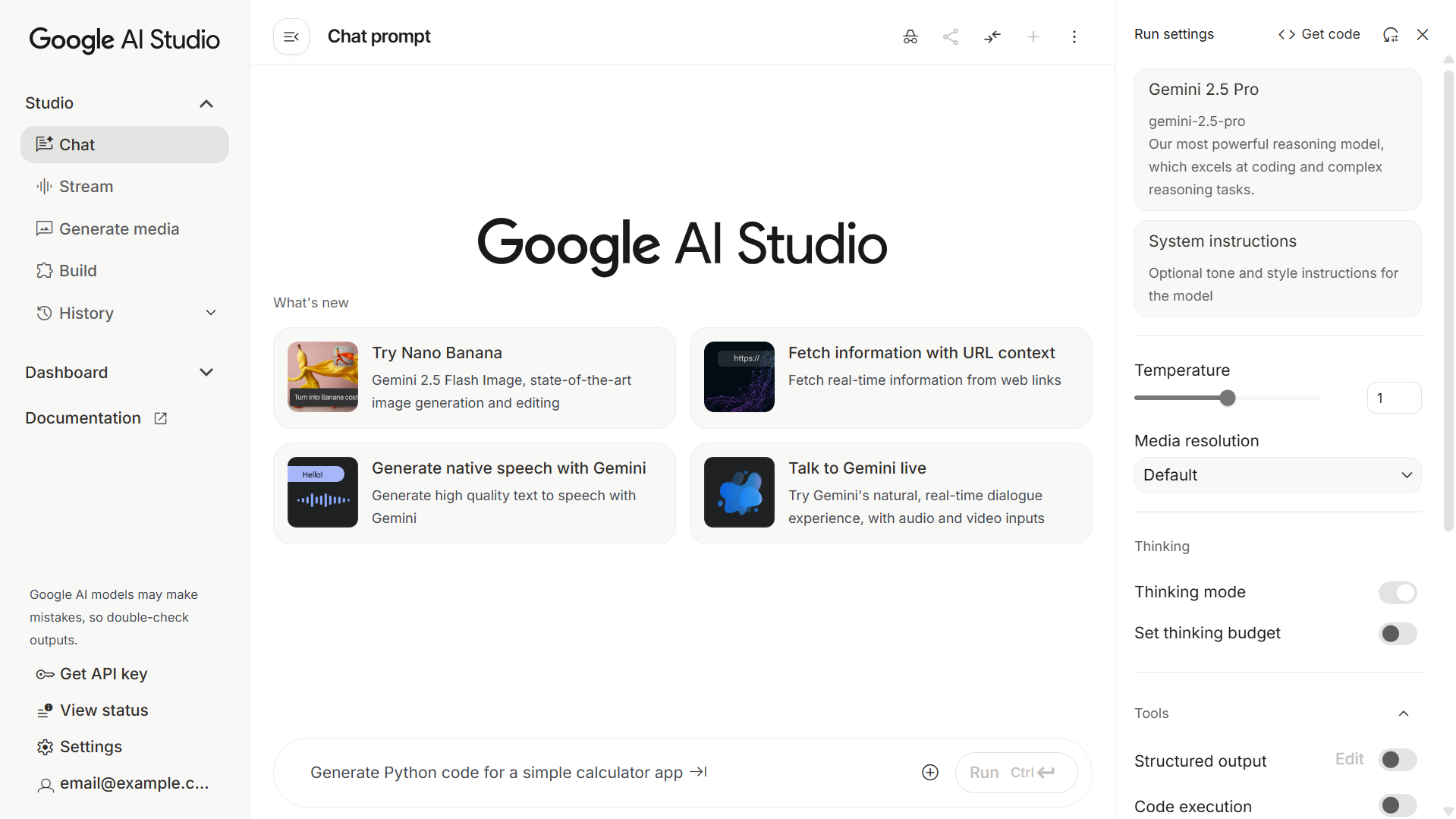
Feature · 2026-11-09

WPS AI Deep Dive: Without Leaving Your Document, AI Is Right on the Page You Are Editing

WPS AI is an AI assistant launched by Kingsoft Office that lives directly inside WPS Writer, Spreadsheets, Presentation, and PDF, allowing you to invoke it without leaving the document you are editing; it is directly accessible in mainland China with a freemium pricing model, making it well-suited for office workers who heavily use WPS daily.

Read the article →

Feature · 2026-11-09

AI Writing Tools Without Network Hassles: WPS AI, Notion, DeepL, and the Translation & Polishing Trio

All six writing tools are tagged in the Lumo library as directly accessible in mainland China with freemium pricing: WPS AI lives inside office documents, Notion serves as a note and knowledge-base foundation, DeepL, Grammarly, and QuillBot handle translation and English polishing, and Tingwu turns audio and video into transcripts; divide tasks first, then see which one feels most natural to use.

Read the article →

Feature · 2026-11-09

Free-First AI Image Generation: Try Free Tiers Before Paying Across Six Freemium Tools

All six image tools follow a freemium model: Jimeng and LiblibAI are directly accessible in mainland China with free quotas sufficient for everyday image generation, SeaArt, Firefly, and Freepik fill in as needed, and Remove.bg handles background removal exclusively; start with the free tiers and consider paying only after confirming the style fits your needs.

Read the article →
Feature · 2026-11-09

Which AI Tool Should You Use for Meetings? Matching Four Transcription and Notes Tools to Your Setup

The biggest headache with meetings is ending up with no notes afterward: Granola captures computer audio directly for transcription without sending a bot into the call, Plaud records on dedicated hardware before transcribing to text, and iFlyRec and Tongyi Tingwu are transcription and meeting-summary services directly accessible in mainland China; the four split cleanly by how audio is captured and where you use them.

Read the article →
Feature · 2026-11-09

Notion vs WPS AI: Knowledge Base Foundation vs. In-Place Office Assistant, How to Choose?

Both Notion and WPS AI are freemium writing tools directly accessible in China, but they serve different roles: Notion is a three-in-one knowledge base foundation combining notes, documents, and databases, while WPS AI is an in-place assistant built directly into office documents; choose the former for long-term accumulation, and the latter for the document right in front of you.

Read the article →
News · 2026-11-09

November 9 New Arrivals: 204 New Tools Launched, Led by Platform and Coding Categories

According to hub indexing dates, 204 new tools were added on 2026-11-09: 72 in platform, 41 in coding, and 35 in agent; among them, 17 were newly indexed today, while the rest were mostly prior drafts listed on the site today. Below, 12 tools are highlighted across four groups: platform, coding, agent, and design.

Read the article →
Guide · 2026-11-09

Personal Knowledge Base Advanced Guide: Long-Context Direct Reading vs. Local RAG, and When to Use Which

Advancing a personal knowledge base comes down to two paths: if you have a modest amount of material and need fast Q&A, use a long-context tool like NotebookLM to read the original text directly; if you have thousands of documents and want to build a long-term collection, use LlamaIndex plus local models to build RAG. Split by volume of material first, then decide which path to build.

Read the article →
Guide · 2026-11-09

AI Search Combo: A Research Workflow Combining Deep Research Tools with Self-Built Search APIs

For research questions, don't rely on a single entry point: let deep research tools produce a first draft with sources, then use self-built search APIs to run supplementary searches, filter sources, and gather materials according to your own rules, and finally consolidate everything into local notes. Tavily's free key offers 1,000 credits per month without requiring a credit card—enough for personal research.

Read the article →
Feature · 2026-11-08

When You Are Out, How to Remotely Control Your Home Coding Agent from Your Phone: Five Methods Matched to Your Needs

Coding agents run on your computer, so stepping out breaks the connection. There are five types of solutions: connecting your phone directly to computer sessions, pushing approvals to your phone, giving the agent a chat identity, an on-device Android assistant acting on your behalf, and a self-hosted assistant residing in chat apps; plus a new option: T3 Code lets you remotely control multiple coding agents from your phone.

Read the article →
Feature · 2026-11-07

How to Choose Domestic AI Assistants: A Comparison of Doubao, DeepSeek, Kimi, Qwen, Zhipu ChatGLM, and Yuanbao

All six domestic AI assistants are directly accessible in mainland China: Doubao, DeepSeek, Qwen, and Yuanbao are free, while Kimi and Zhipu ChatGLM are freemium. Conclusion upfront—if installing only one, choose Doubao, which covers writing, image generation, and voice calls across the board; if you need deep thinking and coding, add DeepSeek; Kimi handles long documents and search, Qwen handles office scenarios, Yuanbao holds the WeChat entry point, and Zhipu ChatGLM differentiates itself through agents. Match your use case first before deciding which one to pay for.

Read the article →
Guide · 2026-11-07

Complete Guide to Signing Up for ChatGPT: Email Registration, Verification, and Free Plan Limits

Signing up for ChatGPT requires only an email address: click Sign up on chatgpt.com or in the official app, then complete verification with your email or a Google, Microsoft, or Apple account to get started. The free plan offers unlimited text chats, but uploads, image generation, voice, and other features have limits. This guide walks through the entire process based on OpenAI's official pages and addresses the most common sticking points for beginners.

Read the article →
Guide · 2026-11-07

Claude Sign-Up and Ban Prevention: Phone Verification, Region Rules, and Official Ban Reasons

Signing up for Claude has one extra hard requirement compared to ChatGPT: you must verify with a real phone number from an officially supported region via SMS verification code, and the number cannot be changed once verified. Regarding bans, Anthropic's official Help Center recognizes only three categories of reasons. Based on official pages, this guide explains the sign-up steps, key differences from ChatGPT, and how to use your account so you are less likely to lose it.

Read the article →
Guide · 2026-11-07

How to Pay for ChatGPT Plus and Claude Pro: Comparing Official Website Subscriptions, App Store In-App Purchases, and Official Gift Cards

There are only three legitimate routes to pay for ChatGPT Plus and Claude Pro: subscribing via the official website by card, purchasing in-app through the App Store, or using official gift cards or gift subscriptions. Pricing, refunds, and renewal management across these three routes are completely separate billing systems that do not interchange. This guide compares them item by item based on official list prices verified on 2026-11-07 to help you choose the right channel on your first try and avoid duplicate charges.

Read the article →
Feature · 2026-11-07

Cursor Deep Dive: An AI-First Code Editor Driven by Natural Language

Developed by Anysphere, Cursor builds AI directly into the editor itself: smart Tab autocomplete, sidebar chat, and an Agent mode that edits code across multiple files, self-corrects based on error messages, generates plans before breaking tasks down for execution, and supports running multiple agents in parallel. It follows a freemium model, and its official website is directly accessible for download in mainland China.

Read the article →
Feature · 2026-11-07

Trae Deep Dive: ByteDance's AI Coding Tool for Rapid Product Prototyping

Trae, launched by ByteDance, is an AI coding tool offered as a standalone IDE: it conversationally explains, generates, and modifies code inside the editor, handles multi-file changes using full project context, and quickly builds runnable project skeletons from requirement descriptions. Freemium model, directly accessible in China.

Read the article →
Feature · 2026-11-07

Claude Deep Dive: A Conversational Assistant Known for Long-Context Handling and Nuanced Responses

Claude, launched by Anthropic, is a conversational assistant known for long-context processing and nuanced responses: it reads entire books, lengthy reports, or code repositories at once for summarization, Q&A, and rewriting, assists with writing and coding, and can analyze images. Its response style is thorough, emphasizing step-by-step explanations. Freemium model; requires special network access in China.

Read the article →
Feature · 2026-11-07

Suno Deep Dive: Generate Complete Songs from Text Prompts

Suno is a representative AI music generation product: describe the song style and content you want in text, and it generates a finished song with full vocals and arrangement, complete with an intro, verse, and chorus structure. It runs on the web with no software installation required. It follows a freemium model, and accessing it from mainland China requires a special network connection.

Read the article →
Feature · 2026-11-07

Jimeng Deep Dive: CapCut Team's All-in-One AI Image and Video Creation Platform

Created by the CapCut team, Jimeng is an all-in-one AI image and video creation platform: text-to-image, image-to-image, text-to-video, image-to-video, and smart canvas editing are all integrated into one place. Enter Chinese prompts to generate images and videos, taking projects from rough ideas to usable assets in a single workflow. It follows a freemium model and is directly accessible in mainland China.

Read the article →
Feature · 2026-11-07

Kling Deep Dive: Kuaishou's AI Video Generation Platform for Direct Chinese Prompting

Kling, launched by Kuaishou, is an AI video generation platform built on Kuaishou's self-developed video generation model. Text-to-video, image-to-video, start/end frame control, and video extension are integrated into a single platform, allowing users to generate short video clips by describing shot content, motion, and atmosphere in Chinese. It operates on a freemium model and is directly accessible in mainland China.

Read the article →
Feature · 2026-11-07

Choosing AI Chat Assistants by Scenario: Reasoning, Long Documents, Daily Tasks, and Real-Time Info

Six chat assistants split by scenario: DeepSeek for reasoning and coding, Kimi for long documents, Doubao for daily Q&A, writing, and voice, Qwen for office documents, images, and PPTs, Yuanbao for WeChat-centric workflows, and Grok for real-time X platform information. Five are directly accessible in mainland China except Grok; DeepSeek, Doubao, Qwen, and Yuanbao are free, while Kimi and Grok use a freemium model.

Read the article →
Feature · 2026-11-07

AI Coding for Beginners: Cursor, Trae, and Four Zero-Config Tools to Start With

Beginners learning AI coding do not need to wrestle with setup first: to write code directly in an editor, start with Cursor or Trae; Alibaba Cloud users can try Tongyi Lingma along the way; those already using GitHub can connect GitHub Copilot; to skip code for now and first see a runnable web app, generate one through conversation with Lovable, or use v0 to generate a frontend interface. Cursor and Trae offer direct domestic access with a freemium model, Tongyi Lingma is free with direct access, and access to the other three is subject to their official websites.

Read the article →
Feature · 2026-11-07

Free AI Search First: Two Free Entry Points as the Base, Four Freemium Tools to Add as Needed

Start by establishing the two free options: Quark and Baidu AI Search are both free AI search entry points with direct access in China, sufficient for everyday quick searches. Add Metaso AI Search for material research, turn to Perplexity for research with cited sources, use Genspark to keep processing search results into output, and use NotebookLM for closed-book Q&A on your own materials. Try the free tiers of the four freemium tools first to judge whether they fit; Perplexity, Genspark, and NotebookLM require a special network in China.

Read the article →
Feature · 2026-11-07

Choosing AI Video Tools by Scenario: A Routing Guide for Generating Clips vs. Editing Final Videos

Start by routing your needs: to generate videos from scratch, look at Kling, Hailuo, Vidu, and Runway; to edit existing footage into a finished video, use CapCut or Jianying (the China version of CapCut). Among the four generation tools, Kling, Hailuo, and Vidu are directly accessible in China, while Runway requires a special network in China. Both editing tools are developed by ByteDance and are directly accessible in China. All six follow a freemium model—test the results on the free tier first before deciding which one to pay for.

Read the article →
Feature · 2026-11-07

Doubao vs Kimi: How to Choose Between a Mass-Market Daily Assistant and a Long-Document Specialist?

Doubao and Kimi are the two most frequently compared conversational assistants directly accessible in China: Doubao is ByteDance's mass-market daily assistant featuring chat, writing, image generation, and voice calls for free; Kimi is Moonshot AI's long-document specialist known for long-document comprehension and web search on a freemium model. Choose Doubao for all-in-one daily tasks and Kimi for tackling lengthy materials, while using both together and dividing tasks is also a practical choice for a growing number of people.

Read the article →
Feature · 2026-11-07

Gamma vs Canva: Fastest Presentation Generator vs. Design Platform With the Most Templates

Gamma and Canva are two of the most frequently compared names in presentations and design: Gamma is a tool for quickly generating presentations and web pages with AI—enter a topic or outline to generate a structurally complete presentation in minutes, freemium, with access subject to the official website; Canva is an online design platform with rich templates and built-in AI image and copywriting features, directly accessible in China, freemium. For generating presentations fastest, choose Gamma; for the most complete templates and highest design freedom, choose Canva.

Read the article →
Feature · 2026-11-07

Which AI Tool to Use for Writing Papers? Matching Kimi, Perplexity, and the Academic Search Trio to Each Stage

Writing a paper has three steps: finding literature, reading literature, and writing it out. For retrieval, use Elicit and SciSpace for academic search and structured extraction; for background research that requires citations, use Perplexity; for reading literature you have on hand, use NotebookLM and Kimi, where long-document Q&A and summarization are strengths; for writing English sections, use DeepL for translation and QuillBot for rewriting and polishing. Among the seven tools, Kimi, DeepL, and QuillBot are directly accessible in China and freemium; Perplexity and NotebookLM require special network access in China; access and pricing for Elicit and SciSpace are subject to their official websites.

Read the article →
Feature · 2026-11-07

Which AI Tools Should Teachers Use for Lesson Preparation? Matching Gamma, Kimi, and WPS AI to Your Workflow

Lesson preparation breaks down into three steps: finding materials, making slides, and keeping records. Use Gamma to generate presentations and web pages in one click, and WPS AI to edit directly within documents; use Kimi to read lengthy teaching and research materials; use Doubao to write lesson plans and brainstorm activity ideas; organize and store materials in Notion; and hand classroom recording transcription and meeting minute generation to Tingwu. Of the six tools, all except Gamma—whose access is subject to its official website—are directly accessible in mainland China on a freemium basis; Doubao is free.

Read the article →
Feature · 2026-11-07

Which AI Tools Should You Use for Job Interviews? Matching Resume, Interview Prep, and English Polishing Tools to Your Needs

Job interview preparation breaks down into three steps: revising your resume, practicing interviews, and clearing the language hurdle. Refine your resume and self-introduction with ChatGPT and Doubao, prepare for deep thinking and technical interviews with DeepSeek, distill lengthy job descriptions and interview experiences with Kimi, and check, polish, and translate English resumes and emails with Grammarly and DeepL. Among the six, ChatGPT requires special network access in mainland China and uses a freemium model; the remaining five are directly accessible in mainland China, with Doubao and DeepSeek being free, and Kimi, Grammarly, and DeepL being freemium.

Read the article →
Feature · 2026-11-07

Which AI Tools to Use for Cross-Border E-Commerce? Matching Translation, Product Images, and Marketing Videos

Cross-border e-commerce has three steps: write accurate English, shoot appealing product images, and edit marketing videos. For English listings and customer service emails, use DeepL for translation, QuillBot for rewriting, and Grammarly for proofreading and polishing; for product images, use Photoroom for cutout and background generation, or Remove.bg for one-click background removal; for marketing short videos, use CapCut for editing. Among the six, DeepL, QuillBot, Grammarly, Remove.bg, and CapCut are directly accessible in China and freemium; Photoroom's accessibility is subject to its official website.

Read the article →
New model · 2026-11-07

Today's Big AI News (Continued): METR Says 80% of Model Speedup Comes From AI Itself, AMD Could Beat Intel in a Single Quarter

The second half of the November 6 daily brief is just as packed: a METR report says Anthropic's model improvement speed doubled, with about 80% of the speedup coming from AI itself participating in R&D; Dropbox plans to acquire AI object storage platform Tigris for about $350 million; OpenAI releases Images 2.6, enabling ChatGPT to generate GIFs directly with 50% faster speed; AMD gives Q4 guidance of about $17 billion, potentially surpassing Intel in a single quarter for the first time in history; Snap opens preorders for SPECS smart glasses at $2,195.

Read the article →
News · 2026-11-07

New Arrivals Roundup: 57 New Tools Added on November 6, Led by Agent Teams and Open-Source Projects

On November 6, JianGuang added 57 new tools, led by agent teams and open-source projects: Rerun turns an AI subscription into a team of AI employees, Bridge lets agents join meetings and take action, and Claude-Code-Game-Studios builds a game studio with 49 agents; open-source projects such as Karpathy's nanochat and NVIDIA's Auto Ontology were added the same day; on the learning and productivity side are DeepTutor, ai-engineering-hub, Obsidian, and OpusClip 4.0.

Read the article →
News · 2026-11-07

Open-Source Icon Libraries Roundup: Lucide, Phosphor, and Six Go-To Icon Sets for Designers

Icons are essential for building products, writing documentation, and creating websites, and JianGuang rounds up eight open-source icon libraries in one place: Lucide and Tabler Icons are stylistically consistent outline general-purpose sets, while Heroicons is a hand-crafted set from the Tailwind team; Phosphor Icons and Remix Icon stand out for their variety of styles, and Iconify aggregates 300,000+ icons through a single entry point; Simple Icons specializes in brand logos, and iconfont is Alibaba's Chinese vector icon library. All icon counts are based on their own descriptions, and access and pricing are subject to their respective official websites, except for iconfont which is directly accessible in China.

Read the article →
News · 2026-11-07

This Week's New AI Open-Source Projects on GitHub: Design Vocabulary for Agents and a 3D Game Engine

This week's new AI open-source releases on GitHub fall into three tracks: design taste tools equip coding agents with aesthetic standards, as Impeccable and taste-skill use design vocabulary and art direction to intercept “AI-looking” pages; parallel development tools let multiple agents work independently, with Worktrunk managing Git worktrees and Colibri handling tiered MoE inference; and agent infrastructure provides organizational structure and desktop control for active AI agents, with Paperclip managing budgets and approvals and agent-desktop operating computers directly.

Read the article →
Feature · 2026-11-07

Firecrawl Deep Dive: Converting Webpages to Markdown for LLM Scraping

When converting any webpage, dynamically rendered single-page app, or entire website into clean Markdown ready for LLMs, Firecrawl is a strong starting point: it comes with built-in anti-bot bypass, headless rendering, and structured extraction, making it well-suited for feeding RAG knowledge bases and data pipelines. It supports both open-source self-hosting and a cloud API.

Read the article →
Feature · 2026-11-07

Flowise vs Langflow: Open-Source Visual AI Workflows and Agents

For drag-and-drop, zero-code LLM application building, Flowise and Langflow are two widely used open-source options: Flowise is built on Node.js/TypeScript with a nimble UI and fast ramp-up for smart Q&A and RAG knowledge bases; Langflow is built on the Python ecosystem with flexible component extensibility, strong multi-agent collaboration, and one-click publishing as MCP endpoints. Both support one-click self-hosting with Docker.

Read the article →
Feature · 2026-11-07

E2B, InsForge, and Local Code: Agent Code Execution Sandboxes and Cloud Runtimes

Running code safely with AI agents requires isolated sandboxes: for public-facing services, E2B (built on Firecracker microVMs) and InsForge (cloud-native infrastructure built for coding agents) are the recommended options; for individual developers and confidential data analysis, Local Code runs scripts offline inside a local isolated sandbox on Mac.

Read the article →
Feature · 2026-11-07

LlamaIndex and Infino: Agent Knowledge Engine for Structured Data and Hybrid Retrieval

For handling semi-structured data, multi-source heterogeneous documents, and enterprise knowledge orchestration, LlamaIndex is a specialized data agent framework; paired with pgvector vector storage from Supabase or Infino—a single-file retrieval engine built for agents—it can power efficient multimodal retrieval pipelines.

Read the article →
Feature · 2026-11-07

ERNIE Bot and iFlytek Spark in depth: a hands-on comparison of China's mainstream multi-scenario AI assistants

A deep look at China's mainstream all-round AI assistants in practice: Baidu's ERNIE Bot builds on its search and knowledge-graph ecosystem, with deep accumulation in Chinese general knowledge and enterprise office plug-ins; iFlytek's Spark has built a distinctive moat on its strengths in voice interaction, smart hardware, and education and office scenarios.

Read the article →
Feature · 2026-11-06

ChatGPT Deep Dive: The First Entry Point to General-Purpose AI for Writing and Coding

OpenAI's ChatGPT is the first entry point to general-purpose AI for many people: drafting articles, rewriting and polishing, translation and long-text summarization, writing code, explaining errors, assisting with debugging, understanding images, parsing spreadsheets and documents for data analysis, built-in image generation, plus voice conversation and web search—its breadth of capabilities is its biggest calling card. Freemium model, needs special network access in mainland China.

Read the article →
Feature · 2026-11-06

Gemini Deep Dive: A Multimodal Assistant in the Google Ecosystem That Connects to Email and Docs

Google's Gemini is a multimodal AI assistant developed by the DeepMind team. It supports multi-turn text conversations, image understanding, and mixed text-and-image inputs, and can read, analyze, and summarize long documents and code. Integrated with Google Search and office services such as Gmail, Docs, and Sheets, it helps draft, polish, and organize content directly inside your email and documents. It uses a freemium pricing model and needs special network access in mainland China.

Read the article →
Feature · 2026-11-06

Kimi Deep Dive: Long Documents Are Its Signature, a Direct-Access Research Report Reader in China

Moonshot AI’s Kimi is a domestic conversational product that made long-document reading a signature capability early on: upload large files such as academic papers, financial reports, contracts, and books for summarization, translation, and Q&A, with support for web search, deep thinking, multi-file comparison, and table extraction. Available on web, app, and mini-program with direct access in mainland China. Freemium model. On November 4, Moonshot publicly released the model weights for Kimi K3.1 Pro.

Read the article →
Feature · 2026-11-06

Perplexity Deep Dive: Answers With Built-In Citations, Your First Stop for Research

Perplexity is an AI search engine launched by the company of the same name, focusing on providing answers with source citations: after a question is entered, it searches the web in real time, organizes the answer into paragraphs, and attaches citation links at the end of sentences so users can click back to the original sources to verify them one by one; it supports multi-turn follow-up questions and source scope filtering, while a deeper search mode conducts multi-step retrieval suited for research-oriented queries. It uses a freemium model and requires a special network to access from mainland China.

Read the article →
Feature · 2026-11-06

Notion Deep Dive: Notes, Docs, and Databases in One, the Foundation for Team Knowledge Bases

Notion is a collaborative workspace tool integrating notes, documents, and databases that uses “blocks” as its basic editing units, allowing views such as pages, tables, boards, and calendars to be freely combined; its built-in Notion AI offers writing polish, content summarization, property autofill, and cross-page Q&A search. It is suitable for individuals and teams needing long-term document accumulation, is directly accessible in mainland China, and uses a freemium model.

Read the article →
Feature · 2026-11-06

Gamma Deep Dive: Build a Presentable Deck in Minutes

Gamma is an online tool that uses AI to generate presentations and webpages, focusing on compressing the traditional slide-making workflow of “drafting an outline first and laying out pages one by one” into just a few minutes: after you enter a topic or paste text, it automatically generates a structurally complete presentation, handling outline splitting, page layout, image pairing, and theme styling all at once. The output can be shared online or exported as PPT or PDF. It uses a freemium model, and access availability is subject to the official website.

Read the article →
Feature · 2026-11-06

How to Choose AI Writing Tools: A Side-by-Side Review of Notion, Gamma, WPS AI, and the Translation & Polishing Trio

AI writing has diverged into four tracks: Notion handles long-term knowledge-base writing, Gamma specializes in quickly drafting presentations from scratch, WPS AI stands out for being closest to the office workspace, and DeepL, Grammarly, and QuillBot form the trio for translation and English polishing. All six use a freemium model, and all except Gamma are directly accessible in mainland China. Look at your use case first before choosing a tool.

Read the article →
Feature · 2026-11-06

How to Choose an AI Design Tool: A Side-by-Side Comparison of Canva, Figma, and Three Domestic Collaborative Design Tools

AI design tools fall into three tracks: Canva is an online design platform with an extensive template library, Figma is the standard for collaborative interface design, JS Design, MasterGo, and Pixso are three domestic collaborative design tools supporting real-time collaboration and AI-generated design drafts, while Meitu handles everyday photo editing and AI retouching. All six are directly accessible in China; the first three use a freemium model, and pricing for the latter three is subject to their official websites.

Read the article →
Feature · 2026-11-06

How to Choose an AI Agent Platform: A Comparison of Coze, Dify, Manus, and New Multi-Agent Collaboration Tools

AI agent platforms fall into three tracks: Coze and Dify represent the no-code and open-source routes for building agents; Manus is a general-purpose agent capable of autonomously completing multi-step tasks; and Kwant, Teamily AI, and Cue represent a new direction in multi-agent collaboration—where humans and multiple agents work together in the same group chat, or an agent squad verifies each other's work before delivery. All six follow a freemium model; Coze and Dify are directly accessible in China, while access for the others is subject to their official websites.

Read the article →
Feature · 2026-11-06

How to Choose an AI Search Tool: A Side-by-Side Comparison of Six Tools Including Perplexity, Metaso, and NotebookLM

AI search falls into three tracks: Perplexity and Genspark focus on research-oriented search with citations; Metaso, Quark, and Baidu AI Search are three Chinese search portals directly accessible in mainland China; and NotebookLM specializes in closed-book Q&A over your uploaded private materials. Choose by scenario: use Perplexity for writing papers and conducting research; use Metaso or Quark for daily Chinese-language search; and use NotebookLM for organizing your own documents and taking reading notes.

Read the article →
Feature · 2026-11-06

Which AI Image Tool Should You Use? Jimeng, Midjourney, and Model Communities Matched to Your Needs

Start by sorting AI image tools by direction: users in China who want to get started right away and use Chinese prompts should try Jimeng first. Those seeking artistic quality should look at Midjourney. Those who need to choose among models with different styles should visit model communities such as LiblibAI or SeaArt. Those already working in Adobe's workflow should choose Firefly, while those who want to generate images while finding stock assets can use Freepik. Among the six, Jimeng and LiblibAI are directly accessible in China and follow a freemium model, while Midjourney requires a paid subscription and special network access.

Read the article →
Feature · 2026-11-06

Which AI Tool Should You Use for Translation and English Writing? Matching DeepL, Grammarly, and QuillBot to Your Needs

Translation and English writing follow a three-step approach: try DeepL first for full-document translation, known for natural output and consistent terminology; use Grammarly for proofreading and polishing English writing; and use QuillBot when you need to rewrite sentences. All three are directly accessible in China and follow a freemium model. Human proofreading is still recommended for important documents, especially legal, contract, and medical content.

Read the article →
Feature · 2026-11-06

Which AI Tool Should You Use for Voiceovers and Music Generation? Matching ElevenLabs and Suno to Your Needs

Voiceovers and music follow two distinct tracks: for speech synthesis and voiceovers, look at ElevenLabs, a prominent AI speech synthesis and voiceover platform that supports voice cloning; if you want to generate a full song from a single prompt, try Suno, a representative AI music generation product that creates complete songs from text input. Both use a freemium model; Suno requires a special network connection in China, while access to ElevenLabs is subject to its official website.

Read the article →
Feature · 2026-11-06

Which Tool Should You Use for AI Background Removal and Photo Retouching? Matching remove.bg, Photoroom, and Meitu to Your Needs

Background removal and photo retouching tools fall into three tiers: for simple one-click background removal, use remove.bg, where uploading an image automatically removes the background; for e-commerce product photos, use Photoroom, which handles background removal and background generation in one pipeline; and for everyday retouching and beautification, use Meitu, a widely used photo editing tool in China. All three follow a freemium model; remove.bg and Meitu are directly accessible in China, while access to Photoroom is subject to its official website.

Read the article →
Feature · 2026-11-06

Kimi vs DeepSeek: Two Direct-Access Domestic AI Assistants Compared for Long Documents and Reasoning/Coding

Kimi and DeepSeek are two of the most frequently compared direct-access domestic AI assistants: Kimi excels at long-document comprehension and multi-file comparison, with summarizing, translating, and answering questions about uploaded papers, financial reports, and contracts as its signature strengths; DeepSeek excels at reasoning and coding powered by its deep-thinking mode, and its chat product is free to use. Choose Kimi for digesting lengthy materials and DeepSeek for solving logic problems and writing code—using both together with a division of labor is becoming a practical choice for a growing number of users.

Read the article →
Feature · 2026-11-06

Suno vs Udio: Two AI Songwriting Tools — How to Choose Between Fast Track Generation and Fine-Tuning?

Suno and Udio are the two most frequently compared names in AI music generation: Suno generates full songs from text input with the fastest onboarding, serving as a representative product of AI music generation; Udio also generates full songs with lyrics and vocals from text descriptions while supporting extensions, remixing, and inpainting, making it suitable for creators who want to repeatedly refine a song. Choose Suno for fast track generation and Udio for fine-tuning a single song; Udio's access and pricing have not yet been verified in the Jianguang library, so refer to its official website.

Read the article →
Feature · 2026-11-06

DeepSeek Harness Plugin Ecosystem Overview: Four Officially Featured Community Plugins

One month after the launch of DeepSeek Harness, the official team states that the total number of plugins has surpassed 35,000 and an official plugin marketplace is under construction. DeepSeek's WeChat official account highlighted four community plugins: Guizang's design plugin, a self-media creator workbench, Context Insights, and a paper-reading plugin, covering four scenarios: design, content creation, usage review, and academic reading.

Read the article →
Feature · 2026-11-06

Doubao Deep Dive: ByteDance's Consumer AI Assistant for Everyday Q&A and Writing

Launched by ByteDance, Doubao is a comprehensive conversational product aimed at everyday consumer use: daily Q&A, article and copywriting, photo recognition and image generation, voice calls, document summarization, and translation are all integrated into a single entry point across mobile apps, desktop clients, and the web. It is directly accessible in China and free to use, with substantial refinement for Chinese-language context and localized scenarios and a very low barrier to getting started.

Read the article →
Feature · 2026-11-06

Qwen Deep Dive: Alibaba Cloud's All-Round Assistant Built for Long Documents and Office Scenarios

Launched by Alibaba Cloud and powered by the Tongyi series of large models, Qwen is an all-round AI assistant built for everyday users and office scenarios: multi-turn conversation, long-document reading and summarization, image understanding, PPT generation, translation, writing, and coding Q&A—all handled through a single entry point. Available on both web and mobile, it syncs conversation history across devices, is directly accessible in China, and is currently offered primarily for free.

Read the article →
Feature · 2026-11-06

Canva Deep Dive: An Online Platform for Creating Graphics Without Design Skills, Known for Templates and Collaboration

Originating from Australia, Canva simplifies professional design software operations into drag-and-drop editing so people with no design background can quickly create graphics: it offers a vast library of ready-made templates for posters, presentations, social media graphics, resumes, and videos, along with built-in text-to-image, background removal, image expansion, and AI copy generation. Directly accessible in mainland China on a freemium model.

Read the article →
Feature · 2026-11-06

How to Choose AI Learning Tools: A Comparison of Duolingo, Quizlet, and Academic Research Tools

AI tools for learning fall into three main tracks: Duolingo and Speak for language learning, Quizlet for memorization and test preparation, and Elicit and SciSpace for academic research, while Khanmigo serves as a Socratic AI tutor. Among the six, Duolingo and Quizlet are directly accessible in China and follow a freemium model; for the remaining four, check the official website for accessibility in China and pricing. Match your scenario first, then check access conditions.

Read the article →
Feature · 2026-11-06

How to Choose an AI Development Platform: A Horizontal Comparison of Hugging Face, Replicate, and Inference APIs

AI development platforms fall into three tracks: use Hugging Face to find models and datasets, look at Replicate and Modal to run models in the cloud, choose Groq and OpenRouter for fast and affordable inference APIs, and use LiteLLM for unified calls across many models. Hugging Face, Modal, and LiteLLM use freemium models, while pricing and access in mainland China for the rest are subject to their official websites.

Read the article →
Feature · 2026-11-06

Which AI Tool Should You Use for Podcasting? Matching Descript, Castmagic, and Adobe Podcast to Your Needs

Producing a podcast episode involves four steps: use Descript and Adobe Podcast for recording and editing, Castmagic for automated show notes and clips, Cleanvoice for audio cleanup, and Podcastle for an all-in-one recording, editing, and publishing pipeline. Each of the five tools covers a specific stage—match the tool to your workflow stage first, then choose based on your budget.

Read the article →
Feature · 2026-11-06

Which AI Tool Should You Use for a Content Matrix? Matching Opus Clip, Submagic, and iFlytek Huiwen to Your Workflow

The core of running a multi-account content matrix is "create once, distribute everywhere": use Opus Clip, Submagic, and Vizard for cutting long videos into short clips; use iFlytek Huiwen for article-and-image creation and multi-platform publishing; and use Fliki for text-to-video. The AI editing assistant added in Opus Clip 4.0 lets you adjust edits using text instructions, while iFlytek Huiwen stands out for direct access in mainland China and strong Chinese-language support.

Read the article →
Feature · 2026-11-06

Jimeng vs Midjourney: Two Major AI Image Generators, How to Choose Between Direct Domestic Access and an Image Quality Benchmark?

Jimeng and Midjourney are the two most frequently compared tools in text-to-image generation: Jimeng is an all-in-one AI creation platform built by the CapCut team, directly accessible in China with a freemium model, generating images and videos from Chinese descriptions with strong capabilities in short video and e-commerce materials; Midjourney is a visual quality benchmark in artistic image generation, using a paid subscription model and requiring special network access in China, typically used to generate drafts in batches before selecting a direction for refinement.

Read the article →
New model · 2026-11-06

Today's Major AI News: OpenAI Releases GPT-6 Cyber, Claude Connects to Bank Statements, and Gemini Cuts Video Pricing by 30%

Today's major news falls into three tracks: on the model front, OpenAI's cybersecurity-focused model GPT-6 Cyber and Google's Gemini Omni 1.2 Flash (video extended to 15 seconds, 720p pricing cut by 30%); on the application front, Anthropic gives Claude read-only access to bank statements; and on the industry front, a METR report finds Anthropic's model improvement pace has doubled, while Dropbox plans to acquire AI storage platform Tigris for $350 million.

Read the article →
News · 2026-11-06

Local LLM Deployment Software Collection: Running Large Models on Your Own Computer — Matching 7 Tools Including Ollama, LM Studio, and Msty to Your Needs

If you want to run large models on your own computer, start with these seven tools: Msty, LM Studio, and Jan work out of the box on desktop; Ollama serves as a CLI and API entry point; AnythingLLM and Open WebUI focus on document chat and self-hosting; and Chatbox AI is a cross-platform chat client. All seven are indexed in the Lumo library, with pricing and access subject to their official websites; hands-on testing by ifanr on the iMac M6 shows that running 30B-class models locally can already reach speeds of tens of tokens per second.

Read the article →
Feature · 2026-11-05

How to Choose an AI Video Generation Tool: A Comparison of Kling, Jimeng, Hailuo, Vidu, and Runway

AI video tools directly accessible in China now include a set of tools you can use directly: Kuaishou's Kling excels in visual presentation and camera control, the CapCut team's Jimeng combines image and video creation into a single entry point and connects with the editing workflow, MiniMax's Hailuo is lightweight and easy to start with, and ShengShu Technology's Vidu specializes in reference-to-video; Runway has the most complete editing ecosystem, though it requires special network access in China. Consider your use case first—short videos, ad assets, or film concept pieces—before choosing a tool.

Read the article →
New model · 2026-11-05

This Week in AI: Tencent Hunyuan Hy4 and Kimi K3.1 Pro Debut Back-to-Back as Coding Agent Acquisitions Continue

Around November 4, activity heated up simultaneously across both large models and Agent tools: Tencent released its 770-billion-parameter flagship Hy4 with added vision and computer-use capabilities, while Moonshot AI released the weights of Kimi K3.1 Pro; OpenAI acquired Pierre to strengthen code storage for Codex, and Meta brought in the Conductor team; OpusClip 4.0 pushed AI video editing from "clipping highlights" to "full-length finished videos."

Read the article →
Feature · 2026-11-05

DeepSeek Deep Dive: A Free Direct-Access Chat Assistant in China with Strong Reasoning and Coding

DeepSeek is a free chat assistant directly accessible in China, known for its reasoning and coding capabilities powered by deep thinking: solving math problems, performing logical deduction, writing and debugging code, and grasping the main thread of long documents can all be done directly on the web or via the mobile app. Budget-conscious individual users who want strong reasoning capabilities often use it as their primary chat tool.

Read the article →
Feature · 2026-11-05

Claude Code Deep Dive: A Terminal-Based Coding Agent for Parallel Refactoring

Anthropic's Claude Code is not an editor plugin, but a coding agent that runs inside the terminal: it reads entire repositories, edits code across files, runs tests, pinpoints and fixes errors, and integrates with Git workflows to take a single requirement from prompt to reviewable changes. It is suited for professional developers and engineering teams maintaining medium-to-large codebases, letting them offload time-consuming tasks like bug fixes, boilerplate code, and dependency upgrades for parallel execution.

Read the article →
Feature · 2026-11-05

Midjourney Deep Dive: A Benchmark for Texture in Text-to-Image, Batch-Generating Drafts Before Refining

Midjourney is one of the most frequently mentioned products in the text-to-image field, favored by designers and illustration enthusiasts for its image texture, composition, and stylistic expressiveness. A typical workflow is to batch-generate dozens of drafts first, then pick a direction to refine, which is much faster than sketching from scratch by hand. It uses a paid subscription model and requires special network access to use in China.

Read the article →
Feature · 2026-11-05

How to Choose an AI Image Generator: A Side-by-Side Review of Seven Tools Including Jimeng, Midjourney, Firefly, and LiblibAI

Users in China looking to generate images should look first at Jimeng and LiblibAI: the former is an all-in-one creation platform from the CapCut team with direct domestic access and integration with video and editing workflows, while the latter is a domestic model community offering the widest selection of features and models. Choose Midjourney for image quality and artistic style, Firefly if you are an Adobe user, SeaArt to explore community models, Ideogram for posters and designs with text, and Freepik to generate images alongside stock asset searches. Define your use case first—illustrations, concept design, or poster layout—before picking a tool.

Read the article →
Feature · 2026-11-05

How to Choose AI Audio Tools: A Side-by-Side Comparison of Six Platforms Including Suno, Udio, ElevenLabs, and iFLYTEK AI Hear

AI audio falls into three categories of needs: for making songs, choose Suno, Udio, or Kunlun Tech's Mureka, which generate complete songs with lyrics and vocals from text input; for voiceovers, choose ElevenLabs or Murf AI for text-to-speech across multiple languages and voices; for transcribing meetings and recordings, choose iFLYTEK AI Hear, which is directly accessible in mainland China. First clarify whether you need music, voiceovers, or transcription, then choose your tool.

Read the article →
Feature · 2026-11-05

Which AI Tool Should You Use for Presentations? Matching Gamma, WPS AI, and Canva to Your Needs

If you want to quickly generate a presentation from a single topic, try Gamma first; if you already use WPS for documents, WPS AI minimizes switching costs; if you prioritize layout design and templates, go with Canva. When choosing a tool, check four criteria first: whether it can export to PPTX and whether the layout breaks after export, Chinese font and typography rendering, whether it is directly accessible in China, and whether the free tier includes watermarks or slide limits.

Read the article →
Feature · 2026-11-05

How to Build Apps or Agents with AI Without Coding? A Guide to Seven Tools Including Coze, Dify, and Lovable

To build chatbots and agents, use Coze or Dify; to generate web applications through conversation, look at Lovable, Bolt, v0, and Replit; to have AI autonomously complete multi-step tasks, use Manus. When selecting a tool, check four criteria first: whether it can be published and shared with others, whether code can be exported or self-deployed, whether it supports connecting your own knowledge base, and whether it is directly accessible in mainland China.

Read the article →
Feature · 2026-11-05

Cursor vs Claude Code: How to Choose Between the Two AI Coding Tools? Comparing the Editor and the Terminal Agent

Cursor is an AI-native code editor tailored for daily interactive coding: inline completions and visual change reviews let you edit as you write. Claude Code is a coding agent running in the terminal, suited for autonomous batch processing: reading entire repositories, refactoring across files, and running tests to fix errors. Choose Cursor for daily coding and Claude Code for large-scale refactoring and batch troubleshooting; using both together with divided responsibilities is the practical choice for an increasing number of developers.

Read the article →
New model · 2026-11-05

Today's AI News: CrowdStrike Spends Nearly $500 Million on Two Acquisitions, ChatGPT Search Volume Reaches About 20% of Google's

Around November 4, M&A and platform developments in the AI industry were equally dense: CrowdStrike acquired Fiddler AI and Dreadnode for nearly $500 million combined to add monitoring and security checks for enterprise agents; OpenAI disclosed that ChatGPT search volume has reached roughly 20% of Google's, with 1.2 billion weekly active users; Google gave schools an either-or choice: turning off AI tools means losing Search as well; Nothing's first AI-native product will launch in December; and Render launched the public beta of its agent sandboxes. Major model updates such as Tencent Hy4 and Kimi K3.1 Pro are covered in a separate weekly roundup article.

Read the article →
News · 2026-11-05

New Listings Today: Lumo Adds 83 Tools in a Single Day, Led by Indie Developer Tech Stacks and Mac Productivity Tools

On November 5, the Lumo library grew from 1,421 to 1,504 entries, adding 83 new tools, all as pending review drafts: 34 in the morning, 45 in a midday Xiaohongshu batch, and 4 in the evening. By category, there are 50 in platforms, 12 in coding, 9 in agents, and 7 in design. Highlighting key additions: a major restock of indie developer tech stacks, a wave of Mac productivity tools, plus products worth noting individually such as OpenNavo, Render Sandboxes, and AnySearch.

Read the article →
Feature · 2026-10-26

2026 AI Coding Tools Selection Guide: How to Choose Among Cursor, Claude Code, Windsurf, and Trae?

Prioritize Cursor for daily multi-file completion and visual refactoring; choose Claude Code first for heavy terminal-based automated transformations and large-codebase refactoring; and for direct access in mainland China with a native Chinese experience, use ByteDance Trae, Alibaba Cloud Tongyi Lingma, or Cursor (currently labeled in the repository as directly accessible in mainland China).

Read the article →

Sign in to Lumo

Sign in with a one-time code sent to your email — no password. Your saved tools will sync across your devices.

The code is only used to sign you in. We store just your email and saved list (privacy policy, in Chinese).

—

Signed in. Your saved tools sync across all your devices.

0saved
View saved tools

Send feedback

Found a mistake, missing something, or have a suggestion? Tell us.