Which AI Tool Should You Use for Voiceovers and Music Generation? Matching ElevenLabs and Suno to Your Needs
1. The Verdict First
For speech synthesis and voiceovers, look at ElevenLabs: a prominent AI speech synthesis and voiceover platform that supports voice cloning, suitable for podcasts, audiobooks, and commercial voiceovers.
If you want to generate a full song from a single prompt, try Suno: a representative AI music generation product that creates complete songs from text input with a fast learning curve, well-suited for short-video background music and theme songs.
The division of labor between the two is clear: ElevenLabs handles “human voice,” while Suno handles “songs.” Look at the former first for podcasts and voiceovers, and the latter first for background music and theme songs.
2. A Closer Look at Each of the Two Tools
ElevenLabs: A prominent AI speech synthesis and voiceover platform that supports voice cloning. Its voice library covers multiple languages, making it suitable for podcasts, audiobooks, commercial voiceovers, and instructional videos. Before formal commercial use, be sure to confirm the licensing terms for voice cloning and generated audio.
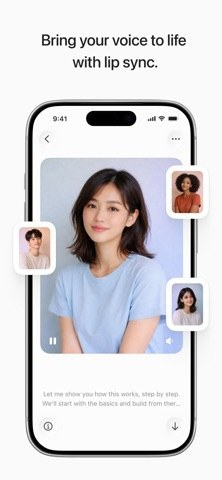
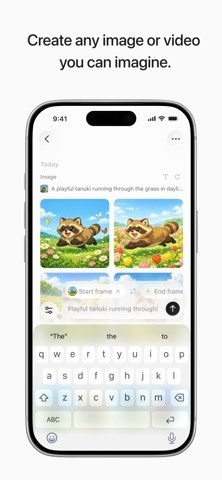
Suno: Generates complete songs from text input with a fast learning curve. When creating short-video background music and theme songs, generate a few versions first to choose from; if you want to fine-tune song sections and mixing, you can also look at Udio's extension and inpainting features—see the audio comparison review for a full side-by-side look at both.
3. Four Criteria to Check Before Choosing
Voice naturalness and supported languages: For voiceovers, listen for naturalness first, then check language coverage. For English voiceovers and international content, check ElevenLabs' voice library; for Chinese songs, both Suno and Mureka (which is directly accessible in China) are worth trying—filter by language first, then choose a tier based on budget.
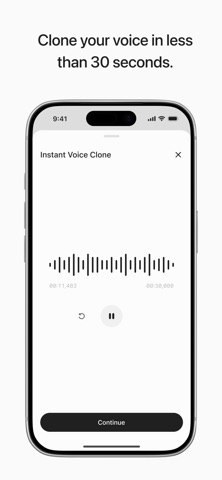
Support for voice cloning and related authorization: Voice cloning is ElevenLabs' signature capability, but cloning someone else's voice involves authorization and compliance—only clone voices you have permission to use, and be sure to verify the terms before commercial use.
Commercial terms for generated content: Commercial licensing for music and voiceovers varies across providers. Before using generative audio for commercial distribution, always check the current terms on each product's official website rather than looking only at the free quota.
Direct accessibility in China: Suno requires a special network connection in China, while access to ElevenLabs is subject to its official website. For Chinese content, prioritize tools that are directly accessible in China; for English voiceovers and international content, look at the voice libraries of these two tools.
4. Frequently Asked Questions
Who owns the copyright to the generated music? Terms vary across different products and plans, so please read the terms of service before commercial use. The scope of licensing for music generated on a free tier may differ from a paid tier—confirm this before formal commercial use.
If I just want background music for a video, which one should I start with? Try Suno first: enter text to generate complete songs, produce a few versions to pick from, and you have the shortest workflow. If you want to fine-tune sections and mixing, check out Udio next; for Chinese songs, try Mureka, which is directly accessible in China.
Tools mentioned


Sources
This article is compiled from the public sources above and does not reproduce the originals in full; see the official sources for details.