Learning English with AI Tools: Vocabulary, Speaking, Writing, and Translation in One Routine

1. Vocabulary: Duolingo
As of 2026-11-13, the Lumo hub lists 1,735 published tools, including 68 in the learning category. Learning English splits into four steps: vocabulary, speaking, writing, and translation with polish, and each step has a tool to match.
Vocabulary goes to Duolingo. It sits in the learning category, opens directly in China, and uses a freemium model, which fits short practice sessions in spare moments, building up words and sentence patterns over time.
The way to use Duolingo is to follow its lessons forward: keep up the daily rhythm, and words recur inside sentences, which makes them easier to remember than a word list on its own.
The aim of vocabulary work is not to pile up many words at once, but to show up every day. Ten or so minutes a day, kept up for a few weeks, shows up directly in reading and listening.

2. Speaking: Speak
Speaking goes to Speak. It sits in the learning category, and the library records both its access and pricing as unknown, so the official site is the reference. Its scene is speaking out loud: practice in conversation and say the patterns you have learned.
Many people know plenty of words yet freeze when they have to speak, usually because they lack chances to talk. A tool like Speak is useful because it gives you someone to talk to at any time, with corrections as you go.
Speaking pairs well with vocabulary work: take a pattern you just learned in Duolingo and say it a few times in Speak the same day, so input and output connect and the memory holds.
Before you start, open the official site to confirm how to reach it and what the trial covers, then decide whether to keep using it. Speaking practice rewards frequency: a few minutes every day works better than one long weekend session.
3. Writing in English: Grammarly
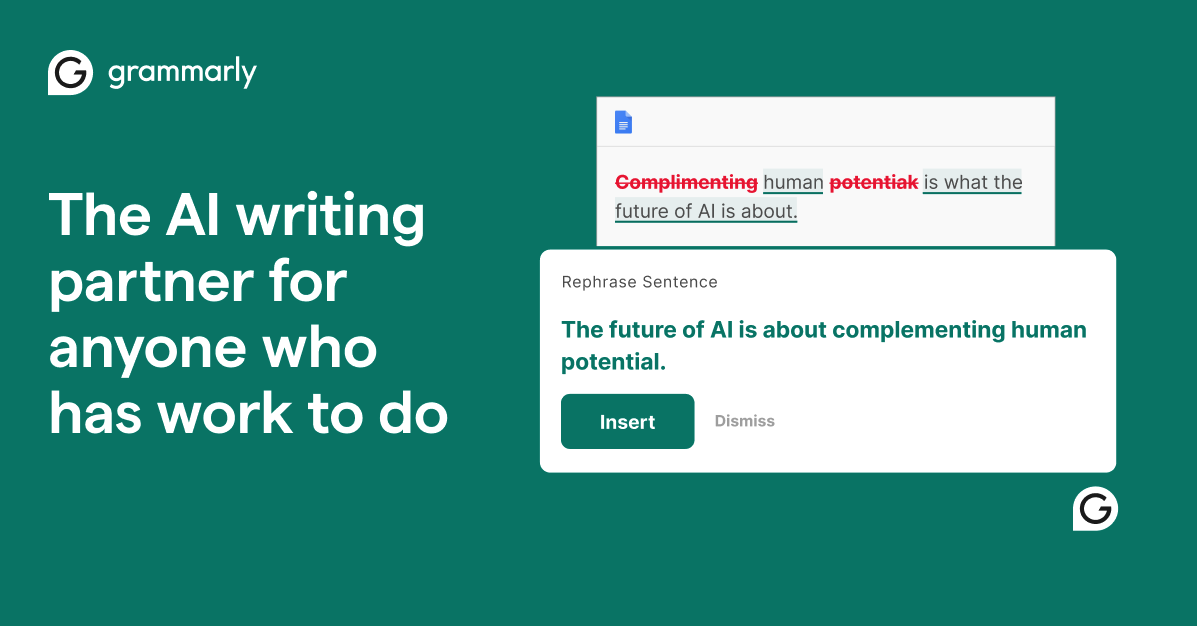
Writing goes to Grammarly. It sits in the writing category, opens directly in China, and uses a freemium model, which fits checking grammar and phrasing when writing emails, documents, or application material.
The way to use Grammarly is to revise as you write: hand it a paragraph, look at the grammar slips and awkward phrasing it flags, and fix them one by one. The fixing itself is part of the learning.
Writing in English does not need a perfect sentence on the first try. Get the meaning down clearly first, then run a check for grammar and word choice, and watch for the error types that keep coming back.
4. Translation and polish: DeepL and QuillBot
Translation and polish go to DeepL and QuillBot. Both sit in the writing category, open directly in China, and use a freemium model, which fits reading English material and refining English phrasing.
DeepL handles translation: take a passage you cannot read, or Chinese text you need to send, translate it first, then check it line by line against the original, with care for terms and key sentences.
QuillBot handles polish: restate the same sentence in several ways and see which sounds more natural. When writing an email, draft it in your own words first, then rewrite it and pick the version that fits.
Translation and polish are aids, not replacements. Read every translated sentence yourself before sending it, and check word by word anything that involves money, dates, or promises.
Tools mentioned




Sources
This article is compiled from the public sources above and does not reproduce the originals in full; see the official sources for details.