Midjourney vs Ideogram: The Texture Benchmark vs Posters Whose Copy Never Breaks — How to Choose
How Each Is Positioned
Midjourney describes itself on its About page as a lab of 60 people (checked on the official site, Nov 18, 2026), known for AI models noted for their visuals; it is positioned as stylized, high-texture text-to-image, where the image itself is the finished piece — suited to illustration, concept art, and atmospheric visuals.Its visual style is highly recognizable and often used to represent this kind of tool.
Ideogram is positioned as a generative media platform, with its current models Ideogram 4.0 and 4.5 (official homepage, checked Nov 18, 2026), aimed at visual creation for production: from prompt to finished asset, covering generation, editing, and API access, with team plans for collaborative work.
Strengths Compared
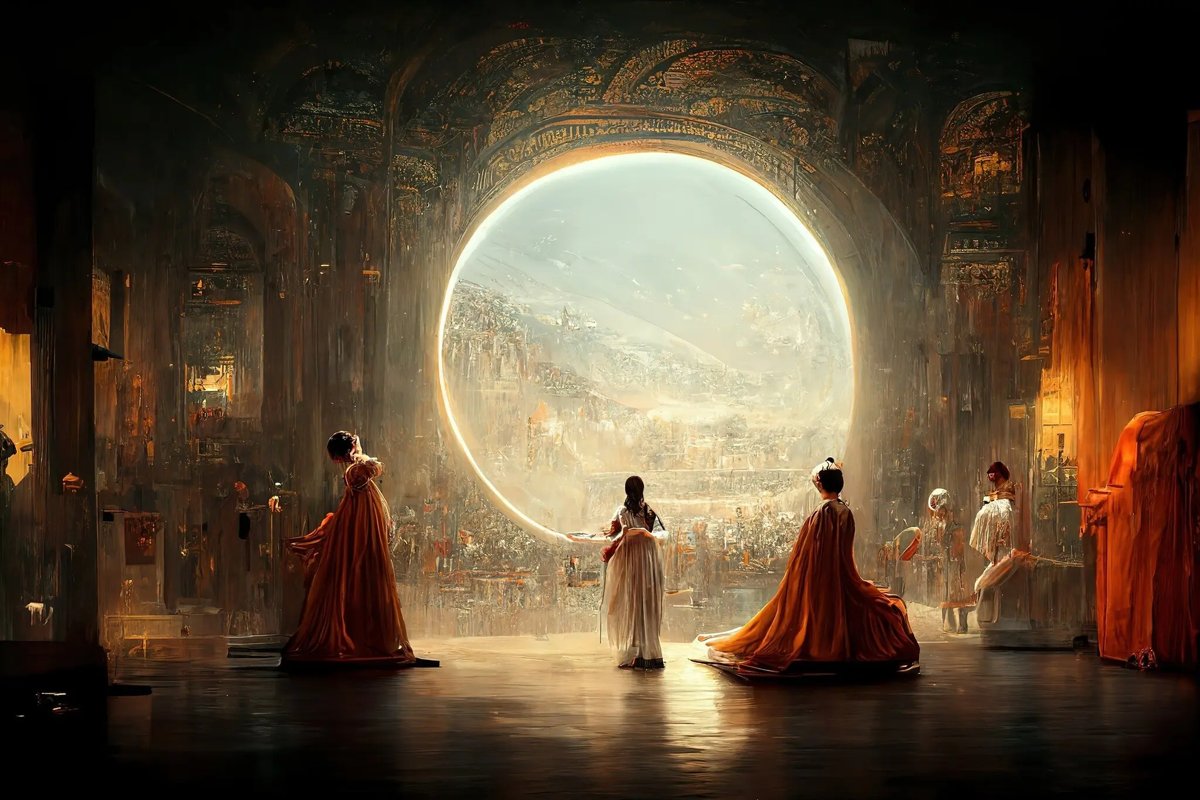
Midjourney is strong on image texture: a painterly feel, light and atmosphere, stylized illustration, and concept scenes. The cover image for this article — robed figures standing before a huge glowing circular gate — is a good example of that style: a richly layered image that works directly as a hero visual.These images do not rely on words; they speak through color and composition alone.
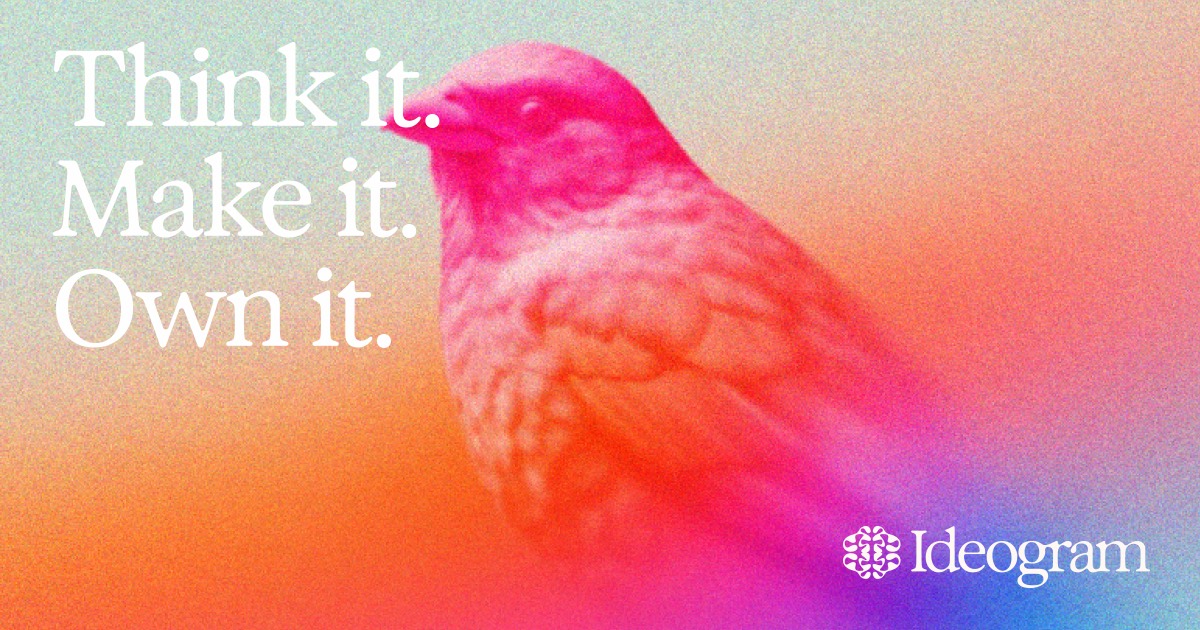
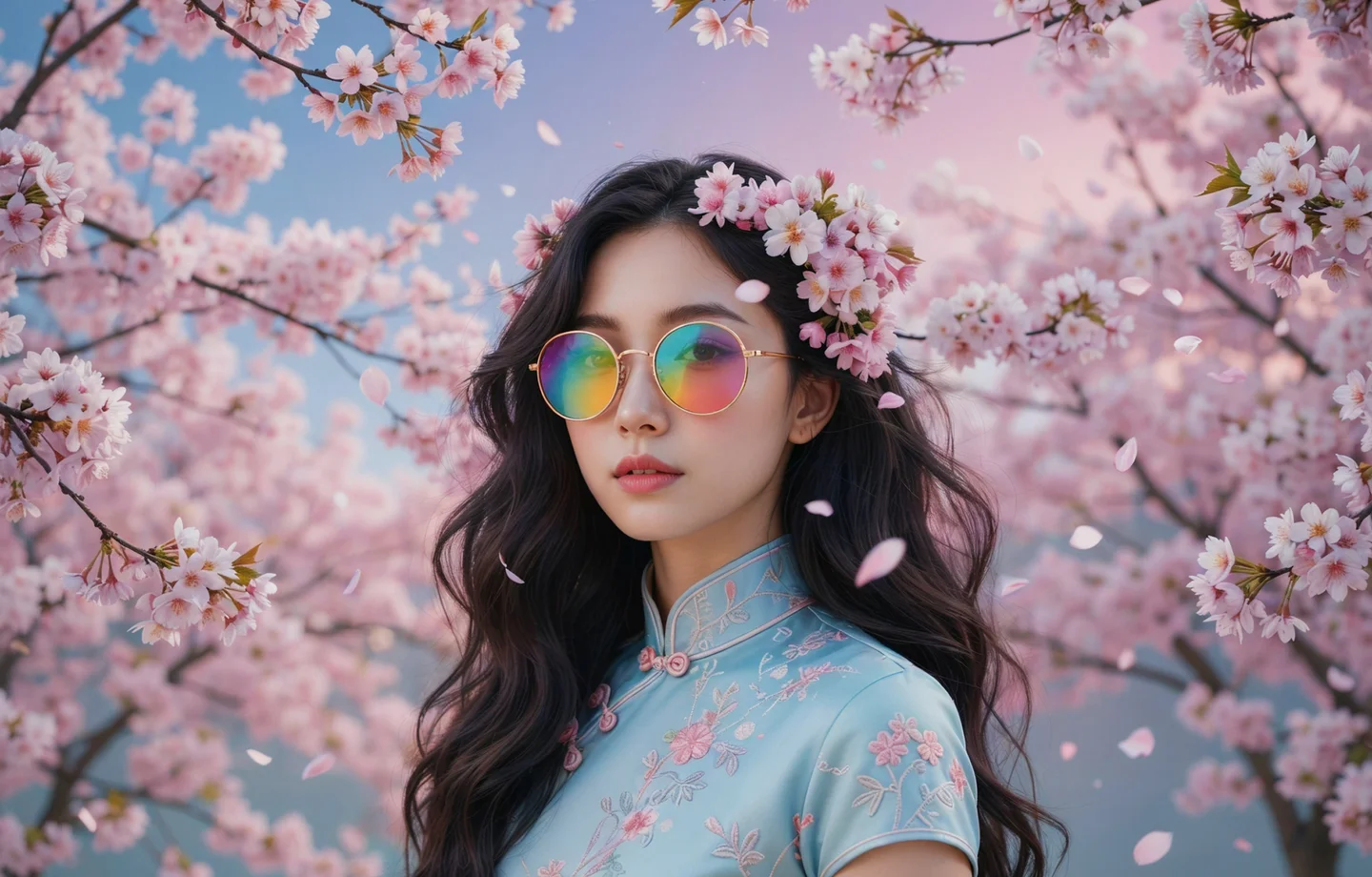
Ideogram is strong on in-image copy: its homepage stresses faithful prompt following, clearly readable type, and edits that stay true to the original intent. Its official brand image carries the slogan Think it. Make it. Own it. in clearly readable type — direct evidence of that — while the cherry-blossom portrait sample shows it can also handle realistic portraits.For posters and social cards, readable copy often matters more than a showy image.
Access and Pricing Compared
In the library, Midjourney's pricing model is paid, and access from China is restricted (cnAccess is restricted); go by the official site. Ideogram's pricing model is unlisted in the library (unknown), so go by the official site's current information; access from China is likewise restricted.
The two do not differ on access; the difference is mainly in how definite the pricing information is: Midjourney is clearly a paid product, while Ideogram should be checked on its official site. Before using either, confirm the official site opens on your network, then look at the pricing page.
Who Each Suits and How to Choose
Choose Midjourney for illustration, concept art, atmospheric posters, and portfolio visuals — cases where the image itself is the finished piece. Choose Ideogram for posters with headlines, social cards, product images, and finished images whose copy will be revised repeatedly — cases where the text must not break.In one line: choose the former for the image, the latter for the words.
The two can also be used together: Midjourney for the hero visual, Ideogram for the version that carries copy. One reminder: access from China is restricted for both, so confirm the official site opens on your network before starting.
Tools mentioned

Sources
This article is compiled from the public sources above and does not reproduce the originals in full; see the official sources for details.