Lovable Deep Dive: Build a Working Web App by Talking to AI
What It Is and Who Makes It
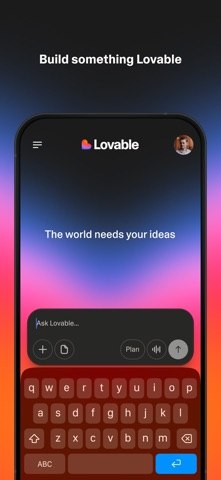
Lovable is an AI tool that generates web apps through conversation: you describe the product you want in plain language, and it directly generates a web app that runs and can be deployed. Its positioning is clear — it serves people who have ideas but do not write code, and people who want to validate a prototype quickly.
As of 2026-11-15, Lumo has listed 1,765 AI tools, including 177 in the coding category; Lovable is one of the coding tools in the collection. The facts in this article come from Lovable's entry fields in the Lumo library and the stored draft text for the tool, and feature descriptions follow Lovable's official site.
Core Features
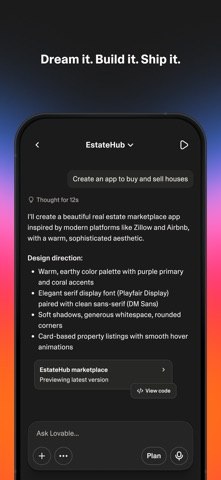
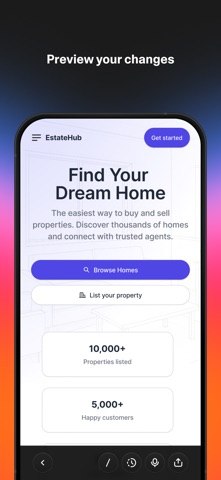
The core flow is describe, generate, and iterate through conversation. You describe the app you want in one sentence, and Lovable generates a complete app with pages, interactions, and basic logic, with a live preview in the browser. When something is not right, there is no need to edit code — keep talking and it adjusts features and styling.
It covers more than front-end pages: it can connect databases and user login, handling infrastructure from hosting and authentication to integrations. When the app is ready, one-click deployment publishes it as a website anyone can visit. The whole process needs no local development environment — changing a requirement is like chatting with a developer, round by round.
How It Compares With Similar Tools
Compared with tools that only generate static pages, Lovable aims at a complete product: what it generates is a full app with interactions and back-end features that can be deployed for real users, not just a demo to look at. Its official site puts it this way: 'If you can describe it, you can build it.' It aims at delivering a complete product, not a one-off page display, which makes it lean toward practical use among similar conversation-based generation tools.
Another distinctive point is its focus on revising rather than generating: the initial generation is only a starting point, and you keep adjusting it through multiple rounds of conversation until you are happy, then ship it. This way of iterating by talking lets people without a technical background take part in shaping a product.
Who It Suits and Typical Scenarios
It suits three groups: independent founders validating an MVP, product managers and operations staff who need to turn an idea into something usable quickly, and designers who want to turn a static mockup into a clickable prototype. Its value is bringing the cost of validating an idea down from hiring a developer to writing a few sentences.
Typical scenarios include building a landing page, a booking tool, or a small internal system to test whether a workflow works; turning a design into a real, demonstrable product prototype; and using a working version to check whether a need is real before investing in full development. For people without a technical background, this flow — building a working version first and then validating the need — costs less than going straight into development and makes real feedback easier to get.
Access and Pricing
For access, check the official site: the access field for Lovable in the Lumo library is 'unknown', so users in China should open lovable.dev and confirm it loads and works before relying on it.
Pricing follows a freemium model: the free tier includes a limited number of generations, and paid tiers provide more allowance and additional features. Exact tiers and prices are listed on the official site, and this article does not cite specific figures.
Tools mentioned

Sources
This article is compiled from the public sources above and does not reproduce the originals in full; see the official sources for details.