Choosing AI Learning Tools by Scenario: Six Tools Matched to Vocabulary Memorization, Literature Search, and Speaking Practice

1. Conclusion First: Divide by Learning Task
One-sentence breakdown: for memorizing vocabulary and knowledge points, look to Duolingo and Quizlet; for searching literature and studying papers, look to Elicit and SciSpace; for homework tutoring and Q&A, look to Khanmigo; and for practicing speaking, look to Speak. None of the six is an all-rounder; once the division is clear, selection comes down only to how comfortable each feels to use.
The point of this list is to decide on the task before choosing the tool. There is no universal answer for learning tools: for the same pen, the suitable tool differs completely under different tasks. First ask yourself what you are studying today—a language, a paper, or a speaking practice session—before reading further.

2. A Closer Look at Each of the Six Tools
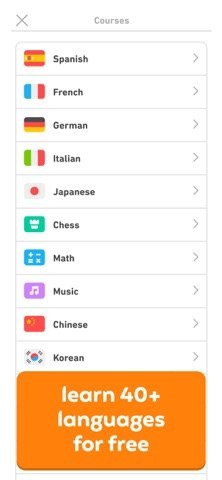
Duolingo is a gamified language learning app: level-based courses and daily check-ins, suitable for starting from zero and maintaining daily language feel. Quizlet is a flashcard and quiz tool: self-created cards and spaced repetition, suitable for memorizing vocabulary, remembering knowledge points, and last-minute exam cramming.
Elicit is an AI academic research assistant: enter a research question, and it automatically searches literature and extracts summaries and evidence, suitable for building a literature framework before writing a paper. SciSpace is an academic reading and writing tool: reading papers, writing literature reviews, and rewriting according to requirements, suitable for digging deeply into single papers during the study phase. Khanmigo is Khan Academy's AI tutoring assistant: guiding students to think through Socratic questioning, suitable for homework tutoring and Q&A. Speak is an AI speaking practice app: conversing with AI to practice speaking and correcting pronunciation and expression in real time, suitable for learners who want to speak out loud.
3. Matching by Scenario
Learning a language: Duolingo builds the foundation and cultivates habits, Quizlet supplements vocabulary and knowledge-point memorization, and Speak focuses on speaking output; stringing the three together puts input, memorization, and output in their proper places. Searching literature and writing papers: Elicit first builds the literature framework and filters out key papers, and SciSpace then reads single papers in depth, handles reviews, and rewrites; the two connect sequentially according to the research workflow.
Homework tutoring: Khanmigo takes priority, as guided questioning is more suitable for learning scenarios than giving answers directly. Last-minute exam cramming: Quizlet takes priority, where self-created cards plus spaced repetition are the most direct way to memorize knowledge points in a short time.
4. Access and Pricing Notes
In terms of access, all six tools are marked in the library as directly accessible in China and ready to use out of the box, which was the inclusion criterion for this side-by-side review. In terms of pricing, Duolingo, Quizlet, Elicit, and Khanmigo follow a freemium model: basic features are free, while advanced features are charged by tier; pricing for SciSpace and Speak is subject to their official websites.
One reminder: the free quotas of learning tools are all enough to try them out, but for long-term, high-frequency use—such as practicing speaking every day or searching literature in batches—check the usage counts and caps of your tier clearly before deciding whether to pay. Dividing by task first and then choosing a tier by usage volume is the most hassle-free way to use these six tools.
Tools mentioned





Sources
This article is compiled from the public sources above and does not reproduce the originals in full; see the official sources for details.