AI Search and Literature Research Workflow: A Collaborative Guide to Perplexity, Metaso AI Search, and NotebookLM

1. The Boundary Between Open-Web Retrieval and Private Knowledge Base Q&A
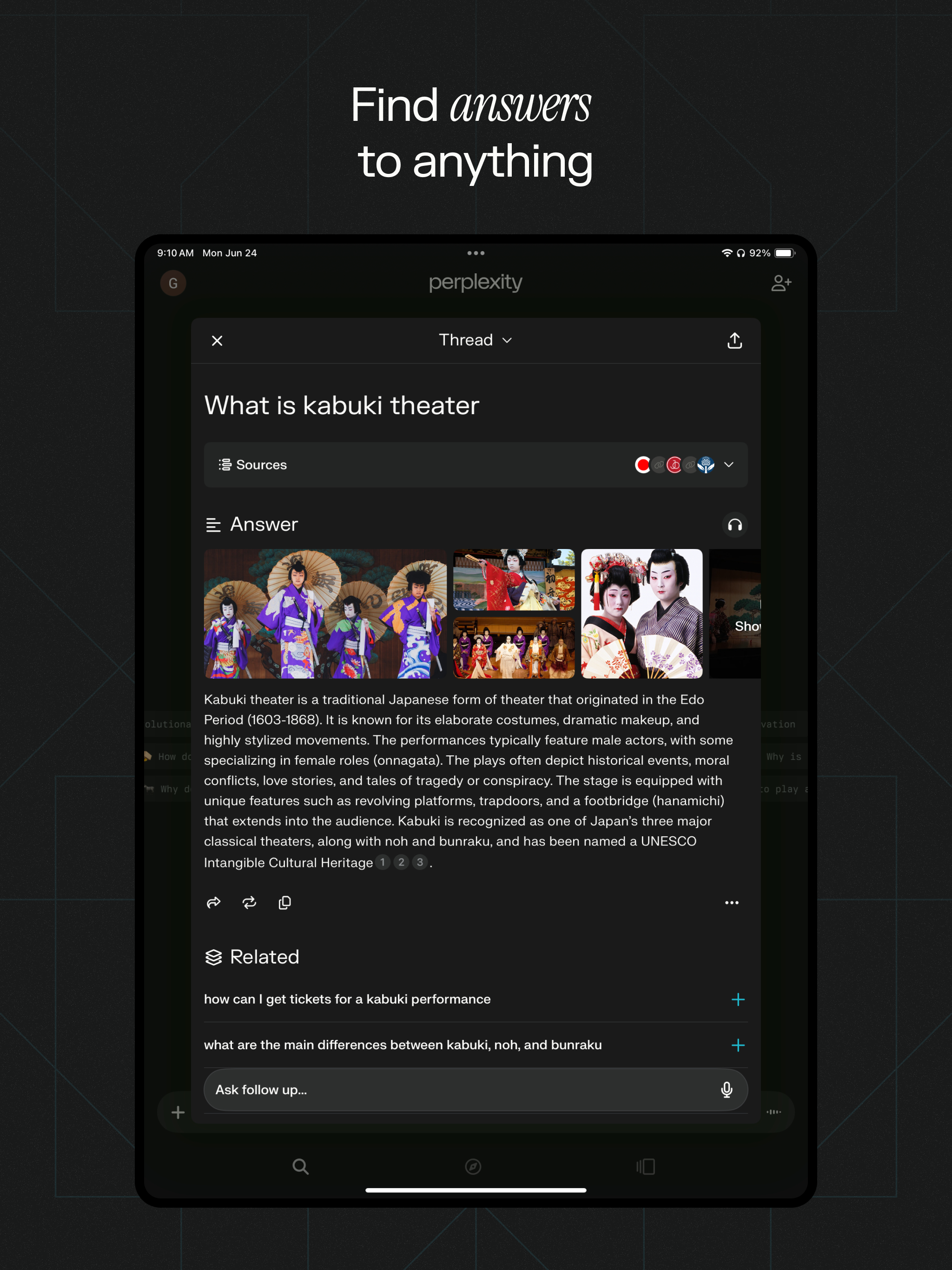
Many users treat general-purpose conversational models as search engines when looking up information, resulting in fabricated literature titles or outdated data. A professional AI research workflow should be split into two steps: first, use AI search engines (Perplexity, Metaso AI Search) to complete web-wide source retrieval and cross-verification; second, import the selected core PDFs and original web pages into NotebookLM for closed-environment close reading.
Because NotebookLM strictly restricts the model to answering solely based on the documents you upload and attaches source-paragraph location anchors after every conclusion, it keeps the hallucination rate to a minimum.
2. Tool Pairing Recommendations for Chinese and English Environments
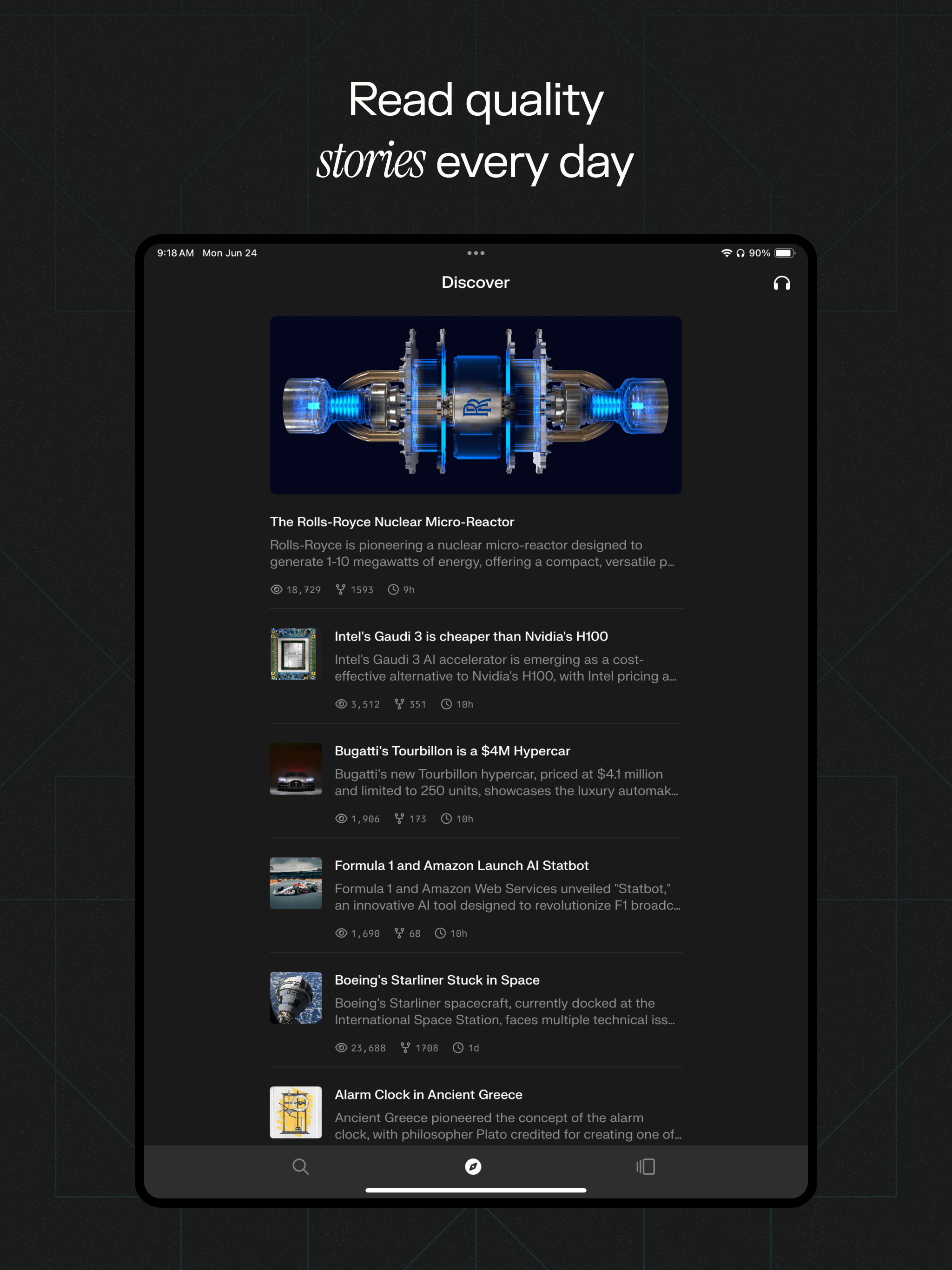
For users in mainland China, Metaso AI Search and Kimi's long-context web-connected mode can be accessed directly without special network tools, and their indexing quality for Chinese financial reports, WeChat Official Account long-form articles, and domestic academic databases is higher than that of overseas engines. Meanwhile, when tracking overseas open-source projects, the latest arXiv papers, and English technical documentation, Perplexity still offers the fastest source aggregation speed. Note: Both Perplexity and NotebookLM are labeled in the Jianguang repository as requiring special network access in mainland China, so domestic users should verify their network conditions before using these two tools.
Tools mentioned




Sources
- NotebookLM Source-Grounded Research Assistant — Google Labs
- Perplexity Pro Search & Citation Architecture — Perplexity AI
This article is compiled from the public sources above and does not reproduce the originals in full; see the official sources for details.