AI Learning Tools, Combined: How Six Tools Divide Vocabulary, Literature Research, and Speaking Practice
The Lineup: Six Tools Split by Learning Stage
Duolingo is a language learning app with AI conversation practice, suited to spending a little time each day on a foreign language. Speak is an AI language learning app built around real conversations with an AI tutor for speaking practice, with instant corrections when you get something wrong, suiting anyone who wants to start speaking a foreign language. Quizlet is a flashcard learning tool with AI study help, suited to vocabulary and facts: the word on the front, the meaning on the back, reviewed until it sticks.
Khanmigo is an AI tutor and teaching assistant from Khan Academy that guides students to solve problems themselves with Socratic questions and connects deeply with the Khan Academy course library. Elicit is an AI research assistant that searches, summarizes, and extracts structured data from large numbers of papers, producing cited research reports that support systematic literature reviews. SciSpace is an AI research platform for searching papers, writing literature reviews, talking with PDFs, and academic writing. The division of labor: two language tools handle listening and speaking, Quizlet handles memory, Khanmigo handles tutoring, and Elicit and SciSpace handle literature.
Language and Memory: Duolingo, Speak, and Quizlet
Split language learning into speaking and memorizing first: Duolingo suits daily check-in study, where levels and streaks make sticking with it easier, and AI conversation practice adds a little simple speaking along the way. To actually start speaking, add Speak: hold real conversations with an AI tutor for speaking practice and get corrections the moment you make a mistake, suiting focused practice before an interview, studying abroad, or a business trip.
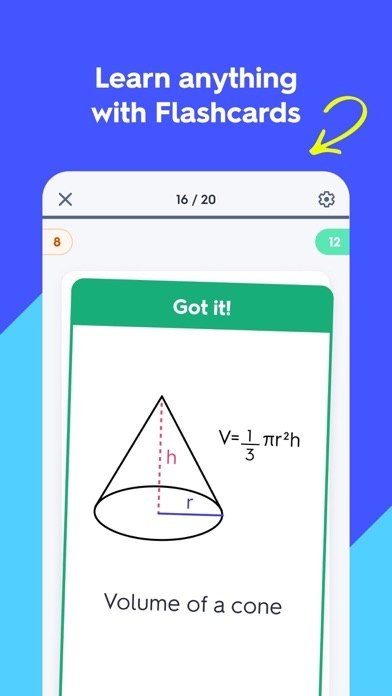
Quizlet handles the memory stretch: vocabulary, formulas, and historical dates can all become flashcards to review again and again. Its AI study help schedules reviews by how well each card is known, showing unlearned cards more often and known ones less. The risk in language learning is studying without ever using it: Duolingo and Speak cover input and speaking, Quizlet pins down the words already learned, and the three together make a complete loop.
Tutoring and Literature: Khanmigo, Elicit, and SciSpace
Khanmigo plays the AI tutor: instead of handing over the answer to a problem you cannot solve, it guides you to solve it yourself with Socratic questions, suiting after-school tutoring for school and early university courses, and parents who want a patient helper while their children do homework. It connects deeply with the Khan Academy course library, so tutoring follows whichever lesson you have reached.
Elicit and SciSpace handle the literature stretch: when writing a paper or doing research, use Elicit first to search papers, summarize them, and extract structured data into a cited research report; then use SciSpace for literature reviews, conversations with PDFs, and academic paragraphs. Either can start a literature review, but citations and conclusions still need checking against the original papers; do not rely on the AI's paraphrase alone.
How to Combine Them: Three Study Setups
Three setups by learning goal: for a foreign language, check in daily on Duolingo, practice speaking with Speak, and finish with Quizlet vocabulary; for exam preparation and after-school tutoring, let Khanmigo tutor and use Quizlet flashcards for review; for writing papers and doing research, use Elicit to search and extract data and SciSpace for reviews and PDF conversations, the two used together.
On access and pricing, Duolingo and Quizlet are recorded in our library as directly accessible in China on a freemium model; Elicit, SciSpace, Khanmigo, and Speak follow their official websites for access and pricing. Try each one on its free allowance first: memorize a set of words, practice one spoken passage, ask about one paper, and only consider paying once the fit feels right.
Tools mentioned





Sources
This article is compiled from the public sources above and does not reproduce the originals in full; see the official sources for details.