Using AI to Build an Interview Question Bank: From Job Requirements to a Structured Bank
1. The takeaway: who this is for and what you get
The takeaway first: an interview question bank is not a pile of questions found online. It starts with a skill model, then questions, then scoring criteria. With the bank done, every candidate for the same role gets the same core questions, interviewers share the same scoring notes, and the panel can reach a decision right after the interview instead of relying on separate impressions.
This guide is for hiring managers in small teams who still interview by improvisation, and for HR and hiring managers pairing up for the first time who want one shared bar. No assessment theory is needed first: a job description and a few real work samples are enough to start. AI drafts and polishes the questions; you judge whether each question actually tests the skill it claims to test.
2. What to prepare
Prepare three things: the job description itself; real work samples from the role, such as past project docs, code snippets, or retrospectives; and the hiring bar your team already uses, including must-haves and nice-to-haves. Put the three into one document — it is the only source the questions are drafted from.
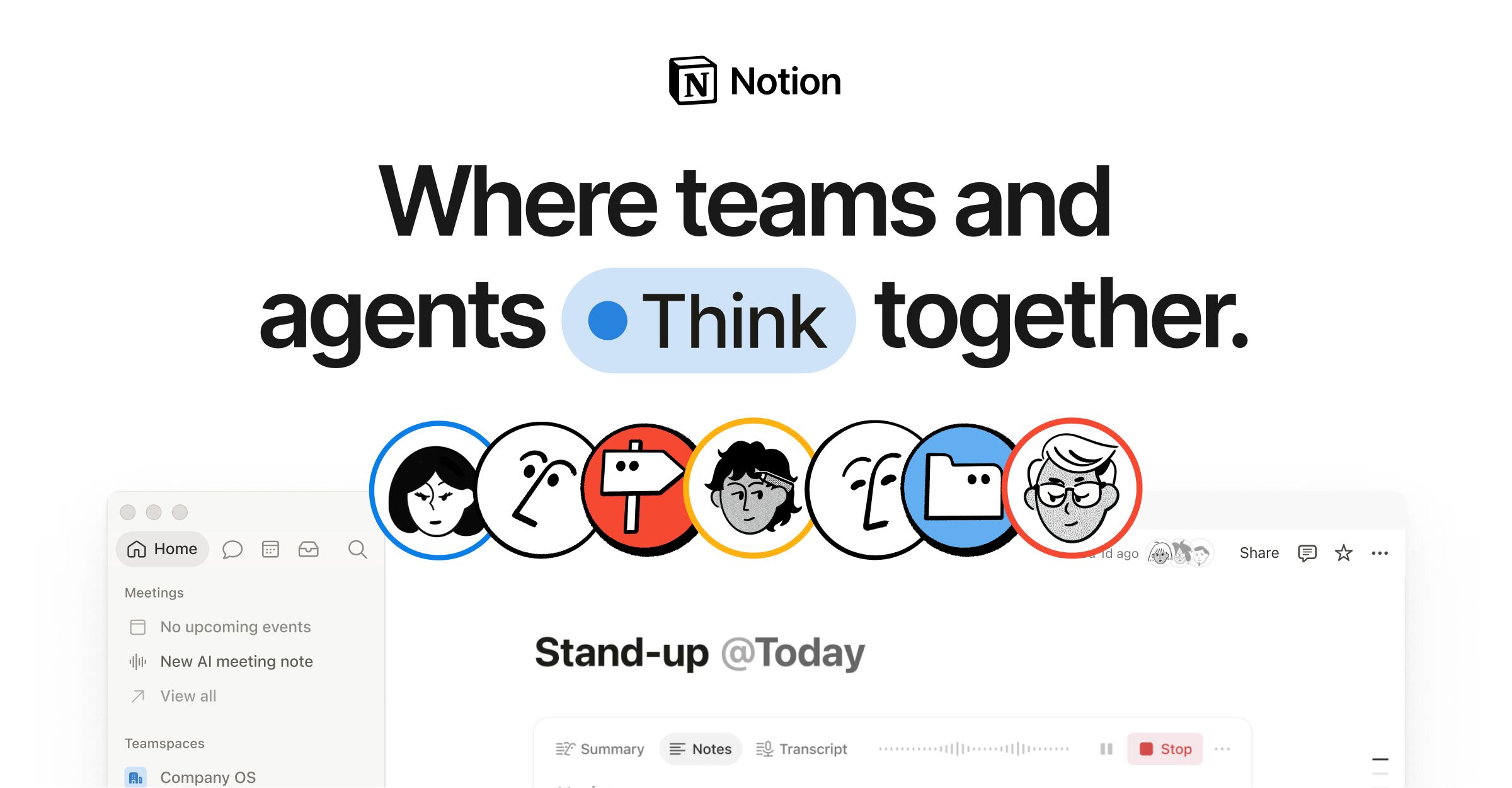
Then fix the bank's structure: one table per skill, five fixed fields per question — the question, the skill it tests, follow-up questions, key points of a good answer, and scoring criteria. Build the fields in a Notion table first, then draft questions into them without changing the structure, so several interview rounds can share one bank and filtering and reuse stay easy.
3. Step by step
Step one, break the role into skills: give the job description to the AI and ask it to pull out 6 to 8 testable skills from the description and the work samples, each with one behavioral description — for example, can independently debug a production issue — rather than a vague label like strong communication. Check each one, drop skills with no basis in the description, and add skills that show up in the samples but not in the description.
Step two, draft questions in bulk and file them: draft questions skill by skill, asking the AI for follow-ups and scoring notes with each one. Follow-ups separate candidates who have actually done the work from those who have only heard about it; scoring notes should name observable behavior, such as whether the candidate can state debugging steps and how they would verify the fix. Review every question, drop ones detached from the real job, rewrite vague ones, then file them in the Notion table with a difficulty level and the round they fit.
4. Common snags and fixes
Three snags come up often: the AI's questions are too generic and would fit any role — fix it by pasting real work samples into the prompt so questions are drafted from them; difficulty is uneven — label every question's difficulty and adjust after one real round of interviews; scoring notes turn into a full model answer, which turns the interview into an open-book test if read aloud — keep scoring notes to key behaviors and tiered criteria only.
Another trap is a bank nobody updates: the role changes, the questions stay old. After each round, note one piece of feedback — which question failed to separate candidates, which one most candidates answered off-topic — and rotate questions regularly. Keep the bank for interviewers only; if candidates see the questions in advance, the interview stops measuring anything.
5. Things to watch out for
Interview questions are only a testing tool; they do not replace verifying a candidate's background. Do not press candidates for confidential information about a previous employer. AI-drafted questions must pass human review before entering the bank — never take them straight into an interview. Doubao's official site could not be opened on the day of writing, so only generic steps are given for it; check its current official pages for details.
The steps in this guide were checked against the official pages on 2026-11-26. If platform rules change, the official pages apply.
Tools mentioned




Sources
This article is compiled from the public sources above and does not reproduce the originals in full; see the official sources for details.