Doubao vs Qwen: Everyday Assistant or All-Round Office Assistant — How to Choose
Maker and Positioning
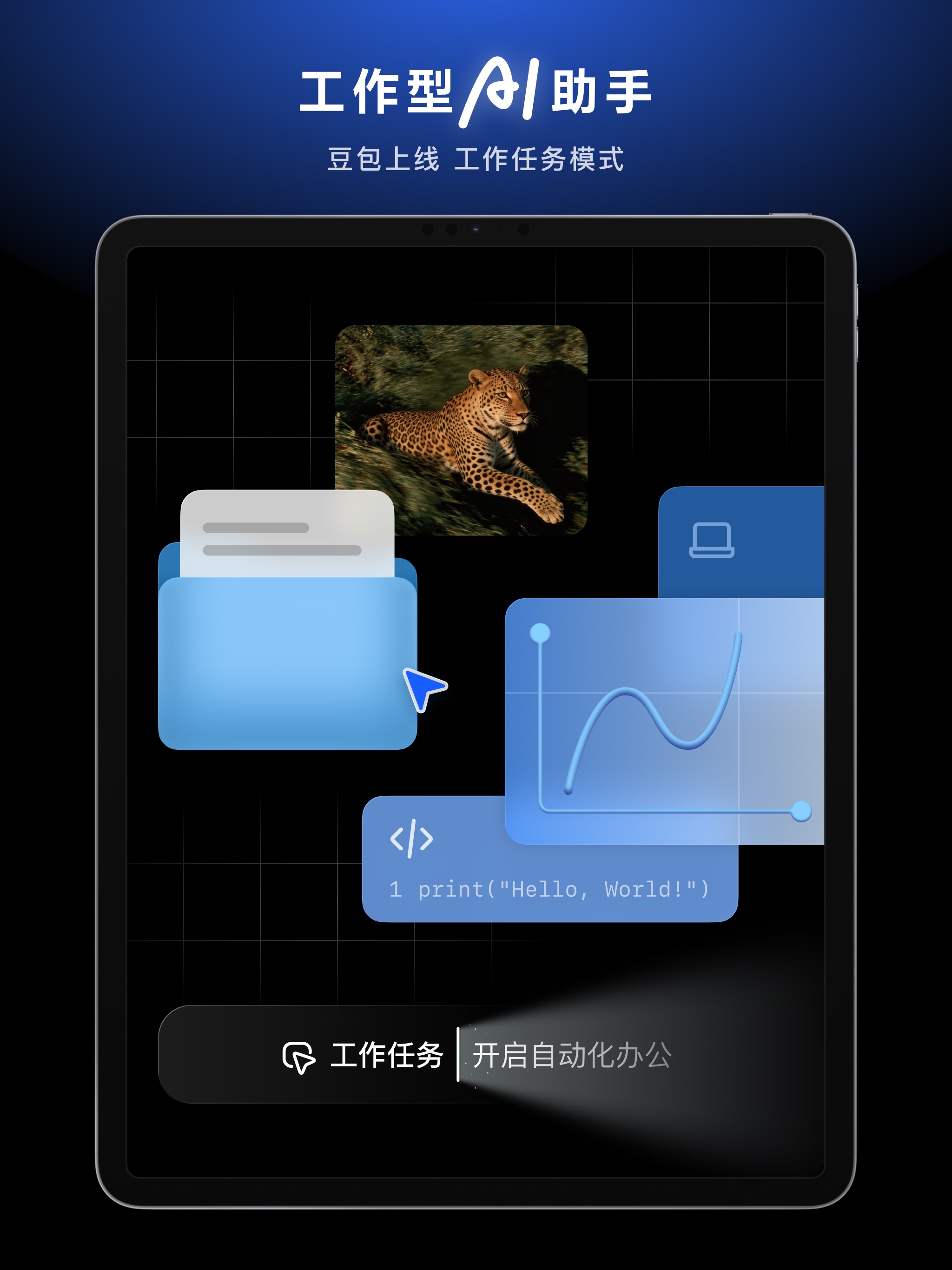
Doubao is ByteDance's AI assistant: positioned as an everyday assistant for everyone, bringing conversation, writing, image generation, and voice calls together in one entry point, ready to chat on arrival. An everyday assistant must stay light to open: no learning curve before the first chat, ask whatever comes to mind, and keep going into image generation or voice calls afterwards.
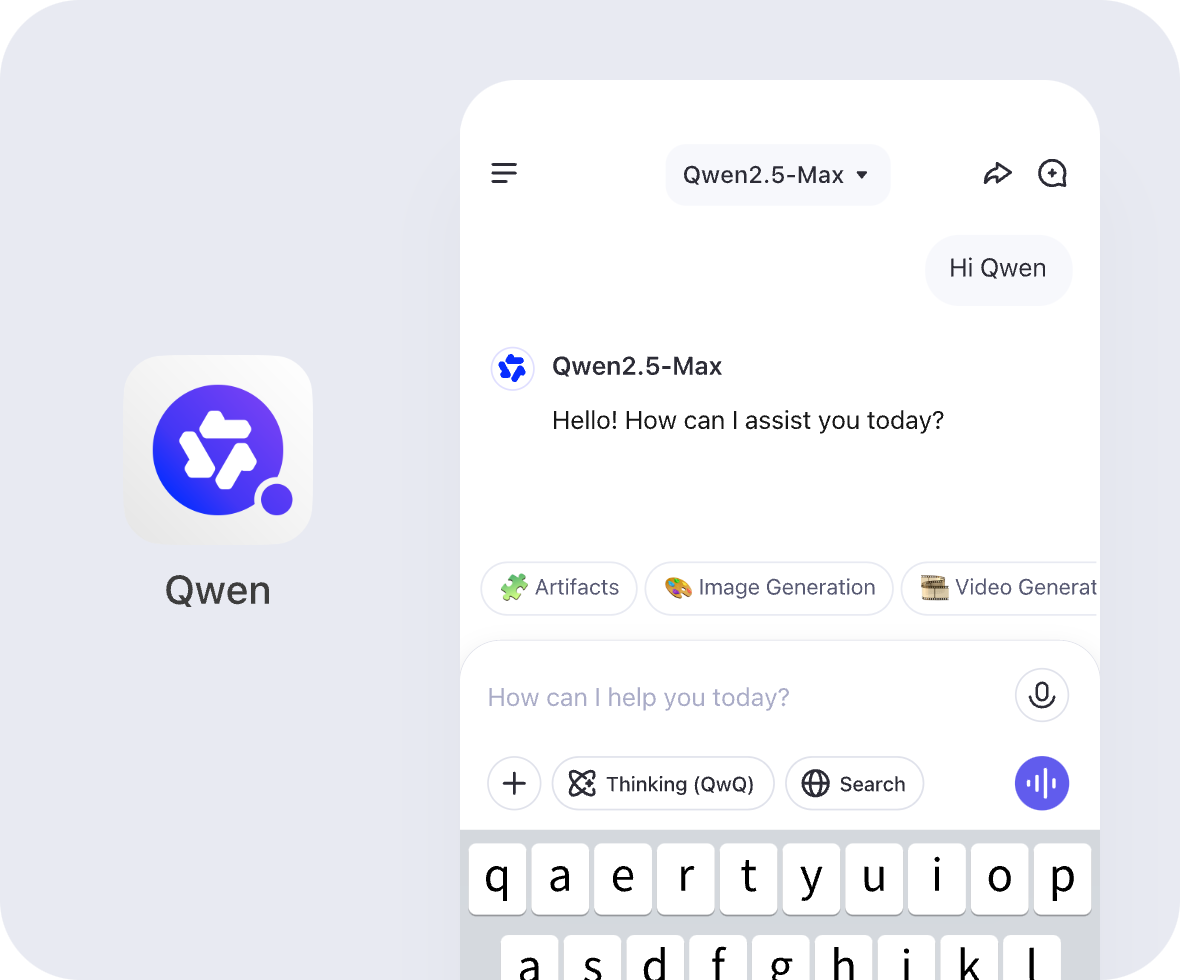
Qwen is Alibaba Cloud's all-round AI assistant: positioned as a general assistant covering office scenarios, handling documents, images, and presentations, suiting people who come with files to ask about. An office assistant must be able to take files: documents, images, and presentations all handled, with answers grounded in the material you bring.
What Each Does Best
Doubao is best as an everyday all-rounder: quick questions, writing, image generation, and voice calls all live in one entry point, suiting people who ask whatever comes to mind without deciding which feature to use first. Voice calls are part of its everyday feel: when typing is a bother, just speak, and get things explained while walking, suiting spare moments of use.
Qwen is best in office scenarios: working with documents, images, and presentations, revising drafts, pulling out key points, and answering from file contents are all in its comfort zone, suiting people who have material to process. Answering from file contents is part of its office feel: revisions have a basis, key points have a source, and answers land on the material you provided rather than coming from nowhere.
Access and Pricing Model
For access, both are marked as directly reachable from China in our library, ready to use on their official websites with no extra network setup. That is where the two are most alike, and why they are so often compared. Both official websites open directly, so everyday use needs no network setup first — that shared low barrier is the premise of their frequent comparison in China, leaving smoothness as the deciding factor.
For pricing, both are marked free in our library: everyday questions and writing need no payment up front; paid tiers and limits are as stated on their official websites, worth checking when you hit a usage cap. Starting free also means low cost of trying: run everyday tasks without paying first, keep using whichever feels smooth, and check the official pricing only when a usage cap appears.
Who Each Suits and How to Choose
People who use an assistant daily and want everything in one entry point suit Doubao first: questions, writing, images, and voice calls without switching places. A light entry point has another advantage: when family or friends ask which assistant to use, a link is enough to get started, with no setup lesson needed.
People with many office documents who often bring files to ask about suit Qwen first: handling documents, images, and presentations is smoother there. Office scenarios have another advantage: material needs no exporting or converting before uploading — ask with the file in hand, keep revising afterwards, and one round of questions is one round of work. Neither needs payment to start; if torn, try each for a week and keep whichever feels smoother.
Tools mentioned


Sources
This article is compiled from the public sources above and does not reproduce the originals in full; see the official sources for details.