Which AI Tool Should You Use for Podcasting? Matching Descript, Castmagic, and Adobe Podcast to Your Needs
1. The Four Stages of Podcast Production
Taking a podcast episode from recording to publication generally involves four stages: recording and editing, transcription and show notes, audio cleanup, and distribution and promotion. The value of AI tools isn't to replace the host, but to take over the repetitive work in the latter three stages so the host can focus their time on the content itself.
Roughly speaking, the five tools divide the work as follows: Descript and Adobe Podcast handle recording and editing, Castmagic handles post-transcription show notes and clips, Cleanvoice handles audio cleanup, and Podcastle covers the end-to-end pipeline of recording, editing, and distribution. Match the tools to your workflow stages first, then decide based on budget.
2. Recording and Editing: Edit the Transcript to Cut the Audio
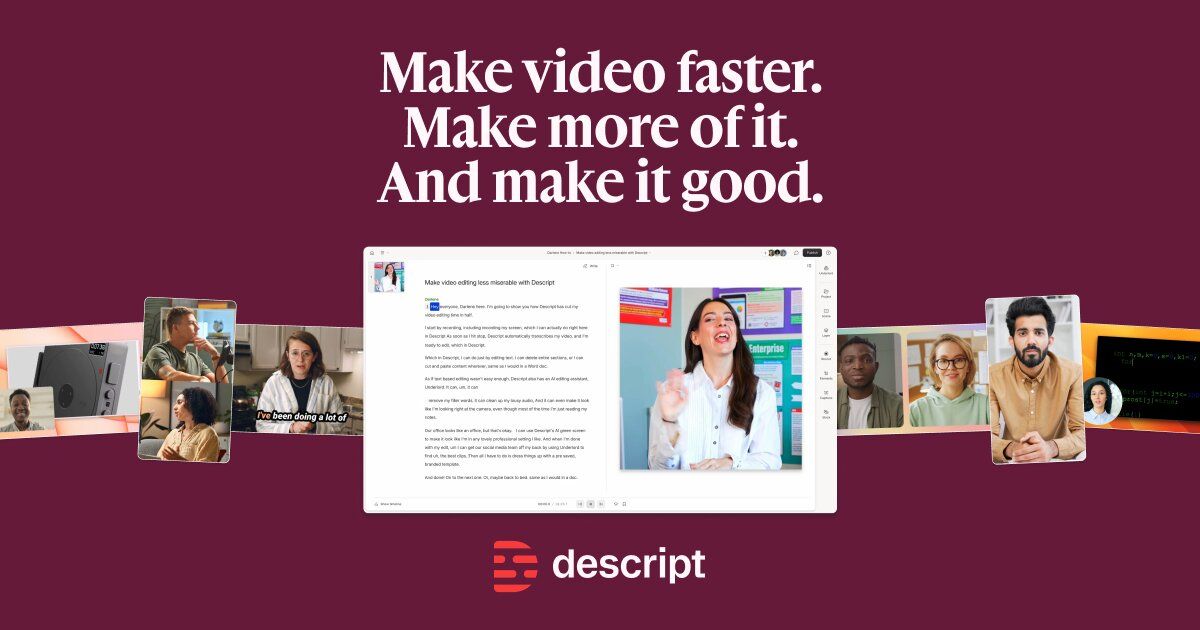
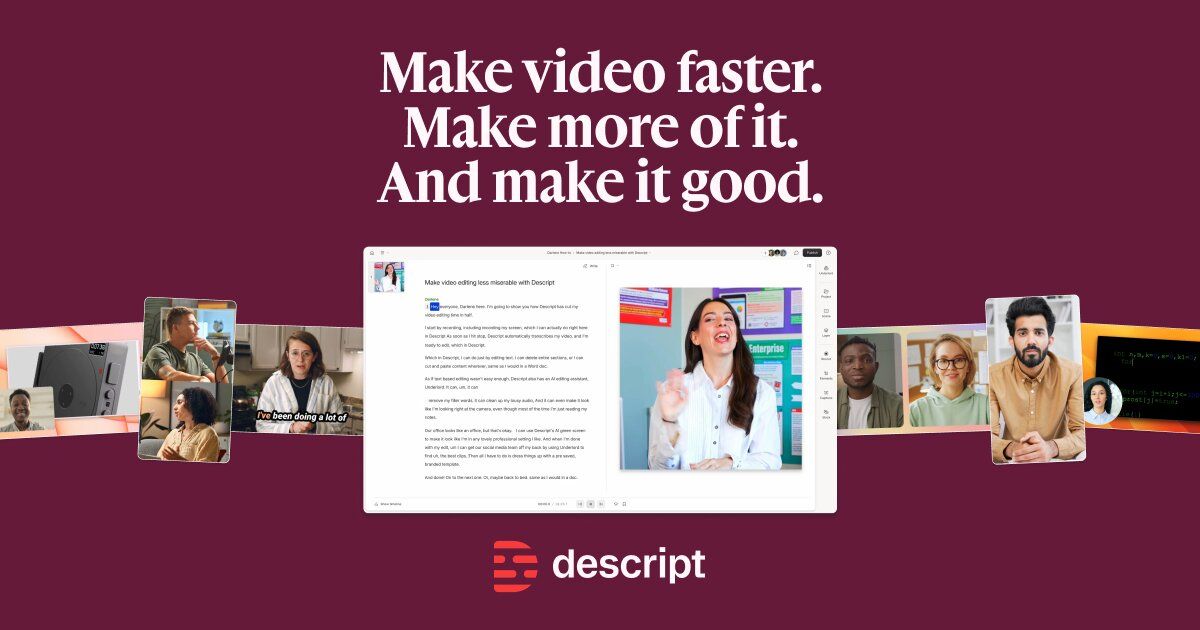
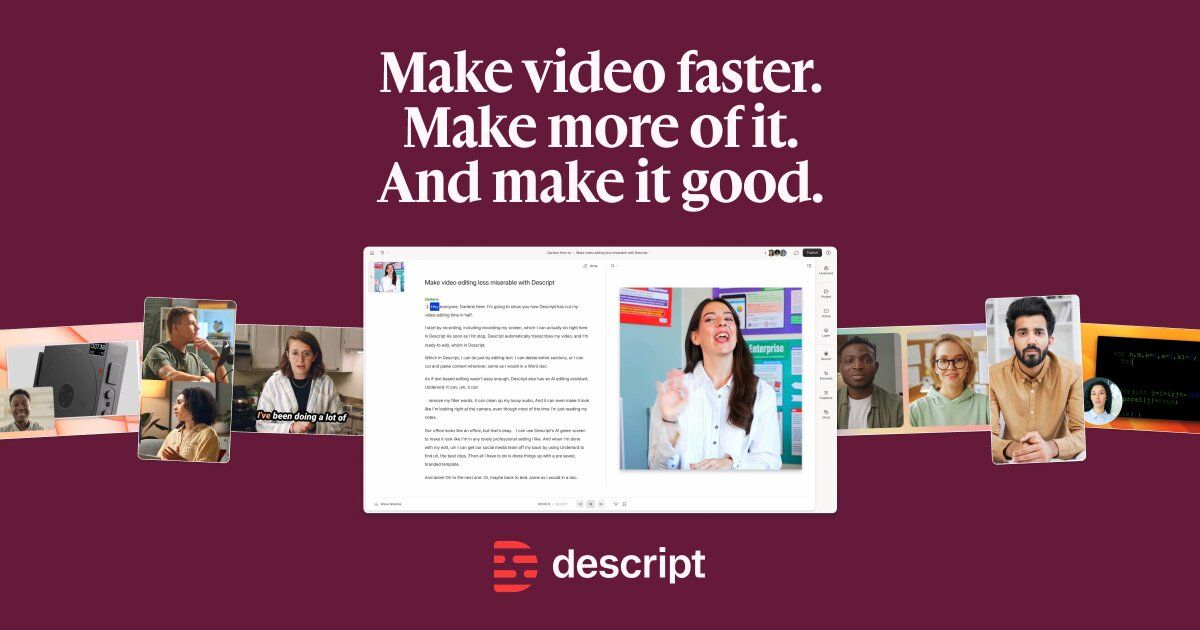
Descript is an AI audio and video editor that lets you edit media through text: after automatic transcription, editing the script edits the audio or video, with built-in AI voiceovers, noise reduction, and an automated editing assistant. For podcasters accustomed to scripting before recording, its workflow is seamless—edit a paragraph of text, and the corresponding audio and video update automatically without dragging clips frame by frame on a timeline.
Adobe Podcast is Adobe's online AI audio tool offering features such as speech enhancement, noise reduction, remote recording, and transcript-based audio editing. Podcastle is an AI content creation platform integrating recording, text-based editing, noise reduction, and AI voiceovers; rebranded from Podcastle to Async in January 2026, it suits creators who want to handle recording, editing, and publishing all in one place.
3. Transcription, Show Notes, and Audio Quality: Giving Every Episode Multiple Lives
Castmagic is an AI platform built for podcasters and content teams that automatically transcribes an episode and generates show notes, short-form video clips, newsletters, and social media posts. Its value lies in "record once, distribute many times"—turning a single episode into written articles, short videos, and social posts simultaneously.
Cleanvoice is an AI podcast audio editor that automatically removes filler words, silences, and background noise to restore studio-grade sound quality, and also provides a developer API. When recording conditions are less than ideal, running the track through this kind of tool before publishing is far more cost-effective than re-recording.
4. Choosing by Team Size and Budget
Starting solo: Start with Descript or Adobe Podcast for recording and editing, paired with Cleanvoice for audio cleanup—this two-tool setup is enough to publish consistently. Once your release schedule is established, add Castmagic to automatically turn each episode into show notes and clips to expand your distribution reach.
Team operations: Podcastle's end-to-end pipeline is well-suited for multi-person shows on a regular schedule, keeping recording, editing, voiceovers, and publishing within a single platform. If you already have an established editing workflow, adding Castmagic for distribution and Cleanvoice for audio cleanup is also a solid combination. Pricing and domestic access for all five tools are subject to their official websites, and you can start with their free tiers to validate your workflow before committing.
Tools mentioned




Sources
This article is compiled from the public sources above and does not reproduce the originals in full; see the official sources for details.