Kimi vs ChatGLM: A Point-by-Point Comparison for Long Documents, Agents and Everyday Q&A

Makers and positioning
Kimi is the AI assistant from Moonshot AI, positioned as a general assistant that can think deeply, strong at understanding long documents and web search. ChatGLM is the conversational assistant from Zhipu AI, built on its in-house GLM series of models, offering general Q&A and agent services to Chinese-speaking users. Both are Chinese conversational assistants, both are among the 53 chat tools in the Lumo library, and both can be accessed directly in China.
What each does well: long documents and deep research vs agents and many tools
Kimi's approach is to digest long material before producing anything. According to the article text stored in the Lumo library, the entry points listed on Kimi's homepage include chat, agent tasks, deep research, document, spreadsheet and PPT generation, building apps, and design. Typical uses are organizing material into reports or PPTs, processing data in tables, and building small apps or pages to order. Anyone who needs to read through dozens of pages before starting work saves time with it.
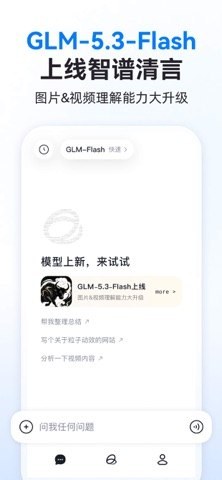
ChatGLM's approach is to pack many specialties into one place. It has many built-in agents that can be called on for vertical tasks such as writing, translation and data analysis, and it supports document upload and parsing, web search, image understanding and generation. It also offers an entry point for creating agents, so users can assemble assistants for their own needs. Its answering style sits close to how users in China speak, and it is adapted for Chinese office work.
Access and pricing: both open directly in China, both freemium
Both can be opened directly in China, and both use a freemium model: basic chat is free, and heavier use or extra features follow the pricing tiers on the official websites. Exact allowances and prices follow the official sites; there is no need to remember third-party quotes. Both have web versions, and Kimi also offers a desktop download.
Freemium means trying the free allowance first to see if a tool fits, then deciding whether to pay. The free versions of both cover everyday Q&A. The difference shows up in heavy use: Kimi's heavy use is long documents and agent tasks, while ChatGLM's is calling on many agents, so try the free allowance in that direction before paying.
Who each fits: pick by task, not by reputation
People who often read long reports, organize material and make PPTs should try Kimi first; its long-document and deep-research entries are built for that kind of work. Chinese office users and students who want to call on different specialist agents in one place, for writing material, researching and brainstorming, should try ChatGLM first. Both handle everyday Q&A, so for that, pick whichever interface feels easier; keeping both and switching by task is also a reasonable approach.
If you only keep one, ask yourself what you open it for each day: if reading material, making tables and producing PPTs dominate, keep Kimi; if writing, researching and calling on several small helpers at once dominate, keep ChatGLM. Neither asks for anything beyond signing up, so try the free version for a week and the one that fits will stay on its own.
The conclusion in one sentence
The conclusion is simple: pick by task, not by reputation. Give Kimi the long material, the long reports and the work that ends in a PPT; give ChatGLM the mixed jobs that need a set of small specialties for writing, translation and analysis in one go. Both start free, so try each once tonight, then decide which one earns a place on your everyday list. Pick the right one, and the tool really saves time.
Tools mentioned


Sources
This article is compiled from the public sources above and does not reproduce the originals in full; see the official sources for details.