Making a Study Plan with AI: From Breaking Down Goals to Daily Tasks
The short version: a smallest task you can finish every day
The conclusion: the point of a plan is not how packed it is, but that every day has a smallest task you can actually finish. Notion handles the schedule, Duolingo handles daily language practice, Quizlet handles the facts to memorize, and Kimi turns lecture notes and articles into key points and self-tests. Each tool owns one part, so the plan does not collapse when one part breaks.
This fits three groups: exam candidates who need to work through material chapter by chapter; language learners who want practice to become a habit; and working people picking up skills for a career change who need a big goal broken into weekly tasks. People who can only spare ten minutes a day can use it too — just cut the daily list down to one task.
What you need
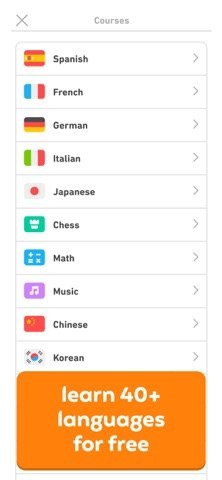
Prepare three things. First, write down the goal and deadline: for example, passing an exam in three months, or holding everyday conversations in a new language within six months. The goal should be specific enough to verify, such as finishing a mock paper or giving a full self-introduction. Second, a Notion account; the free tier is enough to build a task database. Third, free Duolingo and Quizlet accounts: Duolingo teaches 40+ languages for free, and Quizlet lets you build flashcards and practice tests for free; paid features follow the official site and in-app purchase pages.
Also gather your study materials: textbook chapters, lecture notes, course outlines, or documents for the skill you need at work. Sort them by chapter or topic first, then ask Kimi to pull out the key points; if you have no materials yet, ask Kimi to list the topics for your goal first, then find a textbook or course for each one.
Step by step
Step one: break down the goal. Build a study plan database in Notion with fields for task, phase, estimated time, status, and how to verify it. Split the big goal into 4 to 6 phases, then split each phase into tasks you can finish in a day — for example, 20 new words a day or 10 practice questions a day — and write in each task description what counts as done.
Step two: schedule the daily tasks. Lay out each day's list with only 2 to 3 tasks, keeping the total time inside what you can sustain. Hand the language part to Duolingo: set a daily practice amount and let its streak reminders keep the rhythm; hand memorization to Quizlet: turn key points into flashcards and review one set every day.
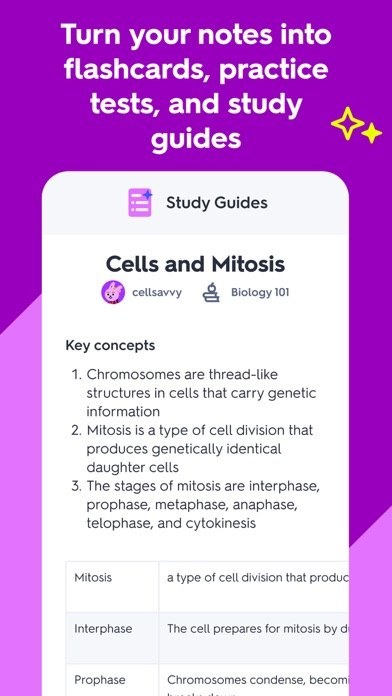
Step three: make study materials. Send the day's notes or article to Kimi and ask it to pull out the key points, organize them by topic, and write a few self-test questions; move the key points into Quizlet as flashcards and log the questions you got wrong back in Notion. When the day's study is done, check off the tasks in Notion, note in one line where you got stuck, and adjust the next day's tasks from that.
Step four: review once a week. Open Notion and check the week's completion rate, and split any task type that keeps slipping into smaller pieces; use Quizlet practice tests to check recall, and add the topics you miss most to next week's review; if the goal or timing changes, update the plan and leave a note in the database about why you changed it.
Common snags and fixes
Snag one: the plan is packed and abandoned after three days. Fix it by cutting the daily tasks in half, keeping an unbroken week first, and only then adding more; continuity matters more than hours in a single day, and if you miss a day, do not double up — just resume the plan the next day.
Snag two: materials pile up but never get read. Fix it by running materials through Kimi for key points before they enter the plan; anything without extracted key points does not become a task. Add only one new topic per week, and add the next only after finishing the current one.
Snag three: you memorize and forget, and still blank on the exam. Fix it by reviewing Quizlet flashcards on a rhythm: new cards today, the day after, and a week later, with the ones you miss grouped separately for extra practice; reading without practice does not count as learning, so pair every card set with a few self-test questions.
Things to watch out for
Three things to watch. First, AI-extracted key points can miss critical details, so check exam scope, formulas, and dates against the source text before they go into flashcards. Second, do not run too many goals at once; focus on one direction per phase, and when language study collides with exam prep, protect the one with the nearer deadline. Third, if the free tier is enough, do not rush to pay; run it for a month, confirm you are actually sticking with it, and only then consider upgrading per the official site and in-app purchase pages.
The steps in this article were checked against the official pages on 2026-11-24; if platform rules change, the official pages apply.
Tools mentioned



Sources
This article is compiled from the public sources above and does not reproduce the originals in full; see the official sources for details.