Quizlet Deep Dive: Flashcards at the Core, Turning Memory-Based Study into Repeatable Practice
Positioning and Maker
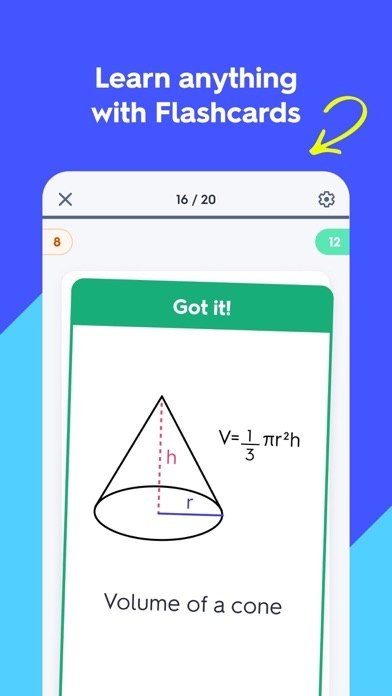
Quizlet is an online learning platform built around digital flashcards, organising all study activity around cards: creating flashcard sets, searching for ready-made sets, and reviewing and testing by card. The platform holds a large collection of user-created study sets, many of them organised by textbook chapter and exam syllabus.
On top of flashcards, it has added AI study assistance, which can generate practice questions from study material, explain concepts and coach question-and-answer practice. As of 2026-11-24, the Lumo library lists 2,338 tools, including 77 in the learning category; within that category, Quizlet is positioned as a review and self-testing tool for memory-based study.
Core Features
Its core features cover creating flashcard sets and using ready-made ones: users can build their own cards or search for sets others have organised by textbook and exam. Varied study modes cover different stages of memorisation, including Learn mode, mock tests and a timed matching game, and sets can be shared with classmates to build together. When searching, users can filter by textbook name, exam name or subject to find sets that match what they are studying.
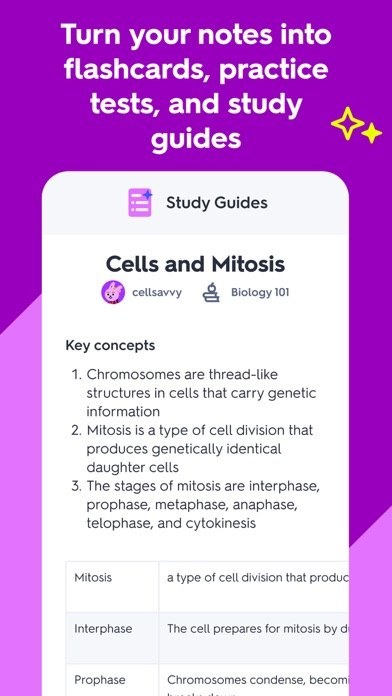
Its AI features can generate practice questions from study material, explain concepts and coach question-and-answer practice, helping learners turn notes into material they can practise with. Teachers can create classes, assign sets and track students' completion, using it as a classroom review companion. The mobile app supports flashcard review in spare moments, with progress synced to the web.
How It Compares with Similar Tools
Compared with learning platforms built mainly on course videos or handouts, Quizlet stands out by shrinking the unit of study to a single card: each card carries one piece of knowledge, so a review session only ever confronts a small amount of content at once, which suits repeated drilling. Much of its value comes from the ecosystem of user-created sets: the more ready-made sets there are, the lower the cost of finding material.
Compared with other memory-practice tools, its study modes are more varied: Learn mode, mock tests and a timed matching game map to different stages of memorisation, while AI-generated practice questions and concept explanations bring test practice into the same workflow. For learners who need to memorise technical terms over a long period, this combination lasts longer than plain card drilling alone.
Who It Suits and Typical Scenarios
It suits people whose study is mostly memorisation: secondary-school students memorising vocabulary and facts, university students preparing for professional and language exams, and teachers preparing review material for a class. People preparing for medicine, law and other fields that require memorising large numbers of technical terms also use it as a long-term terminology tool.
It also suits group study: sets can be shared with classmates to build together, and after a teacher creates a class and assigns sets, they can track students' completion. For self-learners, searching for a ready-made set first and then reviewing at their own pace is a low-cost way to get started. Two common patterns are intensive review before an exam and a small round of cards every day.
Access and Pricing
In terms of access, the official website opens directly in China, with progress synced between web and mobile, and the mobile app supports flashcard review in spare moments. No extra software is needed: after signing up on the official website, users can create or search for sets right away.
Pricing follows a freemium model: creating and using basic flashcards is free, while AI tutoring and advanced study features require a subscription. Exact prices are as listed on the official website. Learners who only use basic flashcards and ready-made sets do not depend on paying; whether to subscribe depends on how much they want the AI tutoring and advanced study features.
Tools mentioned
Sources
This article is compiled from the public sources above and does not reproduce the originals in full; see the official sources for details.