Running a Community with AI: From Topic Planning to Replying to Members
The short version: fix the weekly rhythm first
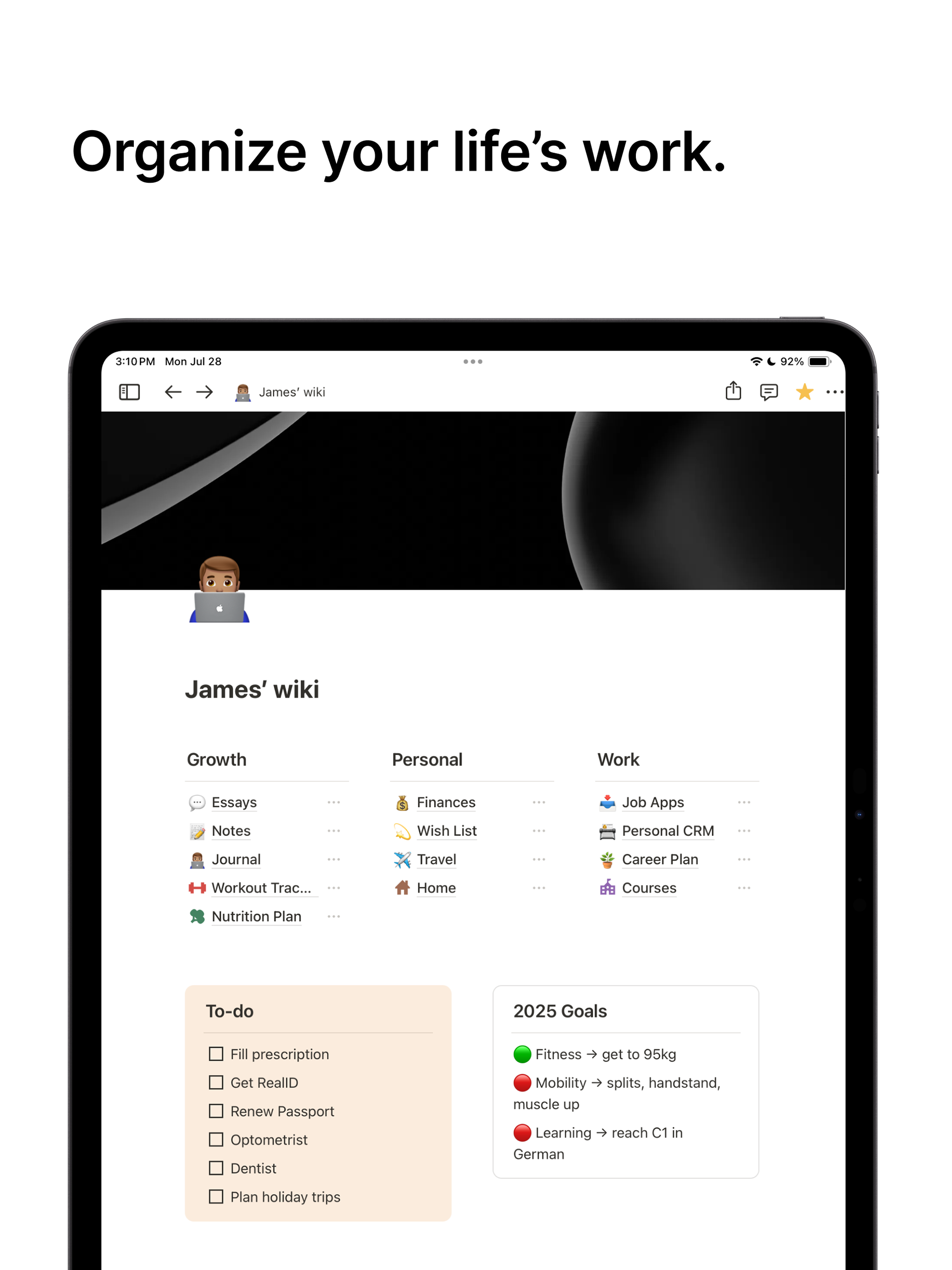
The conclusion: fix the week's recurring actions first, and only then talk about AI efficiency. Without a steady rhythm, the more content AI produces, the more scattered the community feels. Notion holds the schedule and topic bank, and three chat tools split the work: Doubao writes topic copy in everyday language, Kimi turns long materials into topic sources, and DeepSeek offers several phrasings for replies — a person picks what to use.
This fits three groups: hosts of new interest communities; small teams running courses, products, or content who need to maintain a user group over time; and creators on Xiaohongshu or knowledge communities who want to move fan interaction into a group. Groups of thousands, or after-sales groups that need dedicated support staff, are beyond this lightweight method.
What you need
Prepare three things. First, define the community in one sentence: who it is for, what it talks about, and what it does not talk about — for example, a weekly sharing group for AI tool enthusiasts. If the positioning is unclear, the topic bank will drift sooner or later. Second, a Notion account; the free tier is enough for a topic bank and schedule. Third, Doubao, Kimi, and DeepSeek accounts: all three are directly accessible in China and free to chat with; sign up and use them per each official site's instructions. This guide includes no paid purchase steps.
Also prepare a community pack: the group rules, topics that got good responses before, questions members ask often, and the standard answers. Keep these in Notion and send them to the AI as reference when writing topics and replies, so the output sounds like this group's own voice instead of generic copy that fits any group.
Step by step
Step one: build the topic bank. Create a topic bank database in Notion with fields for topic, type (sharing, discussion, Q&A, or event), suitable date, status, and response notes. Collect 20 topics first: questions members have asked, things the field is discussing, and old topics that went well in the group. Pick from the bank each week instead of inventing topics on the spot.
Step two: schedule the week's actions. Fix 3 to 4 actions per week — for example, a discussion topic on Monday, a practical share on Wednesday, and a Q&A roundup on Friday. Prepare each action a day ahead: send the topic and reference materials to Doubao or Kimi, ask for a few drafts from different angles, and pick the one closest to how the group actually talks, then edit it and keep it ready.
Step three: handle daily interaction. Answer messages in two fixed windows each day, and sort incoming questions: answer the simple ones yourself; for ones that need careful wording, send the question plus the group rules to DeepSeek, ask for two or three phrasings, and edit the one with the right tone before sending. For refunds, complaints, or disputes, judge them yourself first and never send an AI draft as-is.
Step four: review every week. Check the response notes in Notion to see which topics drew discussion and which got no replies; reuse the good ones, pause the cold types for a week; clean the topic bank monthly, removing outdated entries and adding questions members newly raised.
Common snags and fixes
Snag one: AI-written copy is obviously AI-written, and nobody responds. Fix it by sending the AI real lines from the group's own chats and members' own words as reference, asking it to write in that tone; then cut the stock phrases and empty summaries, keeping concrete details and a clear question.
Snag two: topics go out and nobody replies, and the group goes quieter. Fix it by ending each topic with a concrete question, such as what you recently built with AI and where you got stuck; then ask two or three usually active members directly instead of waiting for someone to speak up.
Snag three: messages pile up faster than you can answer, and the backlog makes you avoid them. Fix it by answering only in two fixed windows a day, in batches; write standard answers in Notion for questions that repeat, so you can reuse them and save time for the questions that actually need a conversation.
Things to watch out for
Three things to watch. First, AI replies are drafts only — read them before sending, and check tone, facts, and anything that sounds like a promise; never let AI decide for you or promise discounts or refunds. Second, do not flood the group with AI-generated content; more than two long posts a day will get you muted. Third, do not feed members' chat logs or private messages into public tools for training or sharing; remove personal details first.
The steps in this article were checked against the official pages on 2026-11-24; if platform rules change, the official pages apply.
Tools mentioned



Sources
This article is compiled from the public sources above and does not reproduce the originals in full; see the official sources for details.