Grok Deep Dive: A Conversational Assistant Connected to Real-Time X Information—Ask It First When Chasing Trending Topics
Positioning and Creator
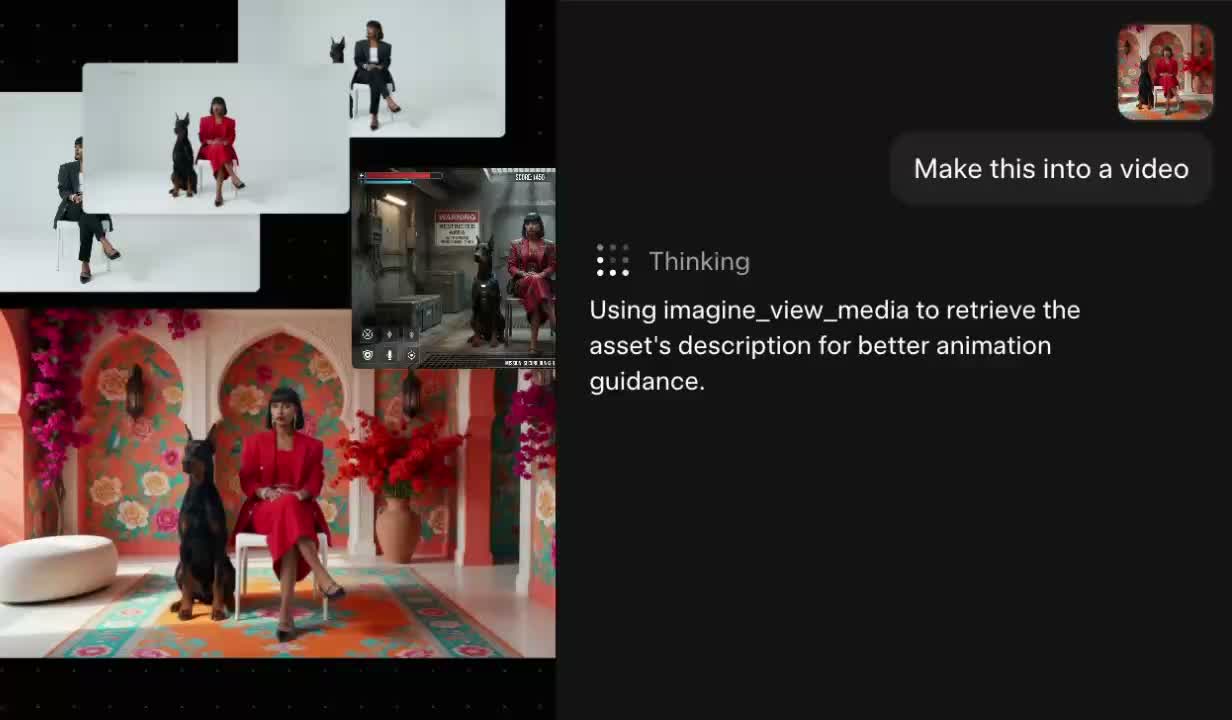
Created by xAI, Grok is the company's consumer-facing conversational product. Its growth path is distinctive: it started as a feature inside X, evolved alongside public discussions on the platform, and only later gained a standalone website and app. This history shaped its product identity—rather than a chat interface built from scratch, it feels more like a Q&A layer placed over X's real-time information stream.
Unlike do-everything general conversational assistants, Grok has a focused selling point: real-time timeliness. When asked about unfolding events, it searches relevant public posts and news updates on X and lays out the leads, rather than relying only on older knowledge in its training data. For everyday questions unrelated to trending news, it is essentially no different from an ordinary conversational assistant; for breaking news and hot topics, it offers an extra source of information.
Core Features
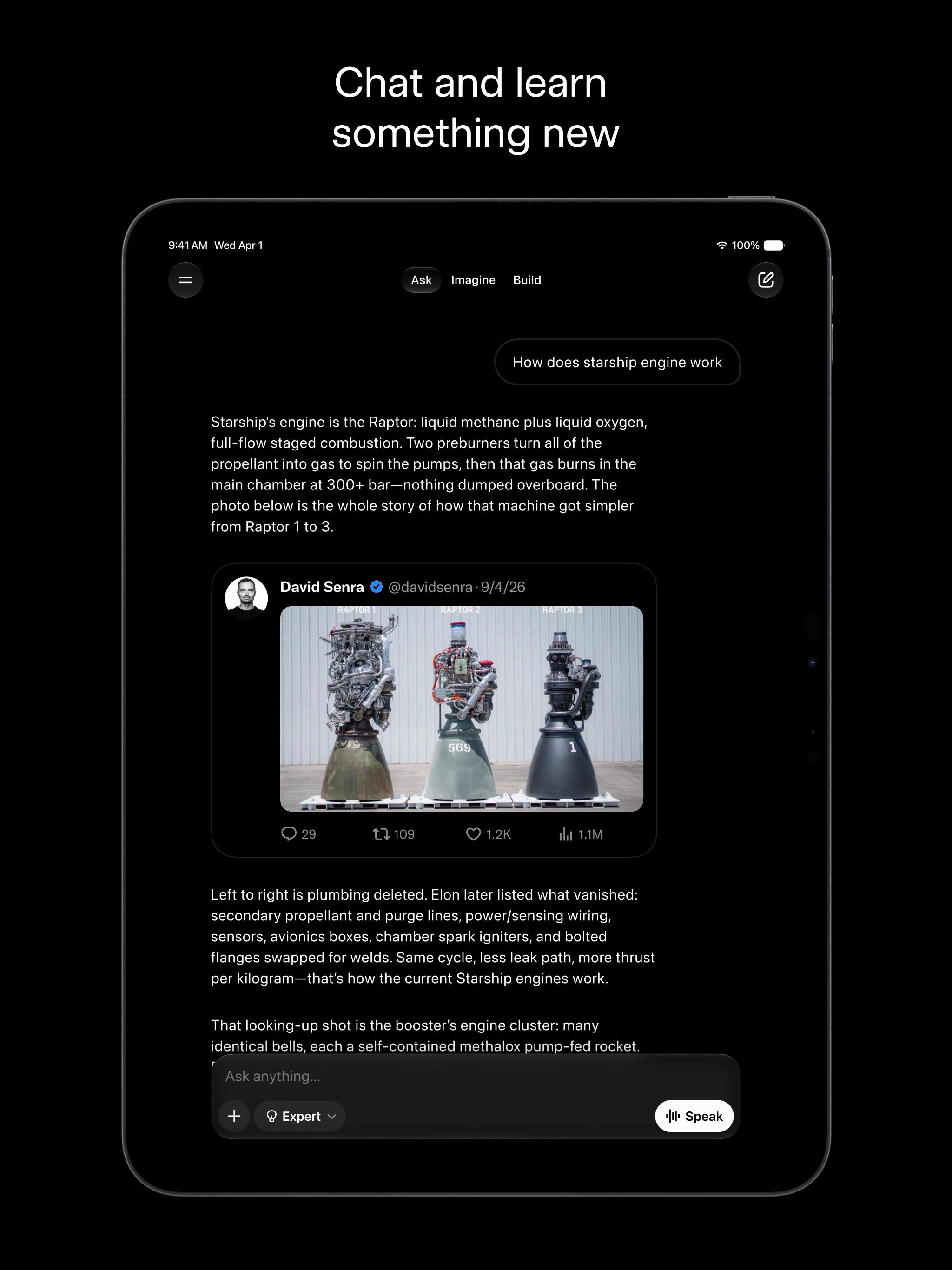
Its core capabilities are built on conversational Q&A and fall into four areas. First is search Q&A integrated with real-time information: when asked about breaking news or trending topics, it surfaces relevant posts from X as informational leads so you can trace and verify the sources yourself. Second is deep research requiring multi-step verification, which investigates complex questions step by step before summarizing the findings.
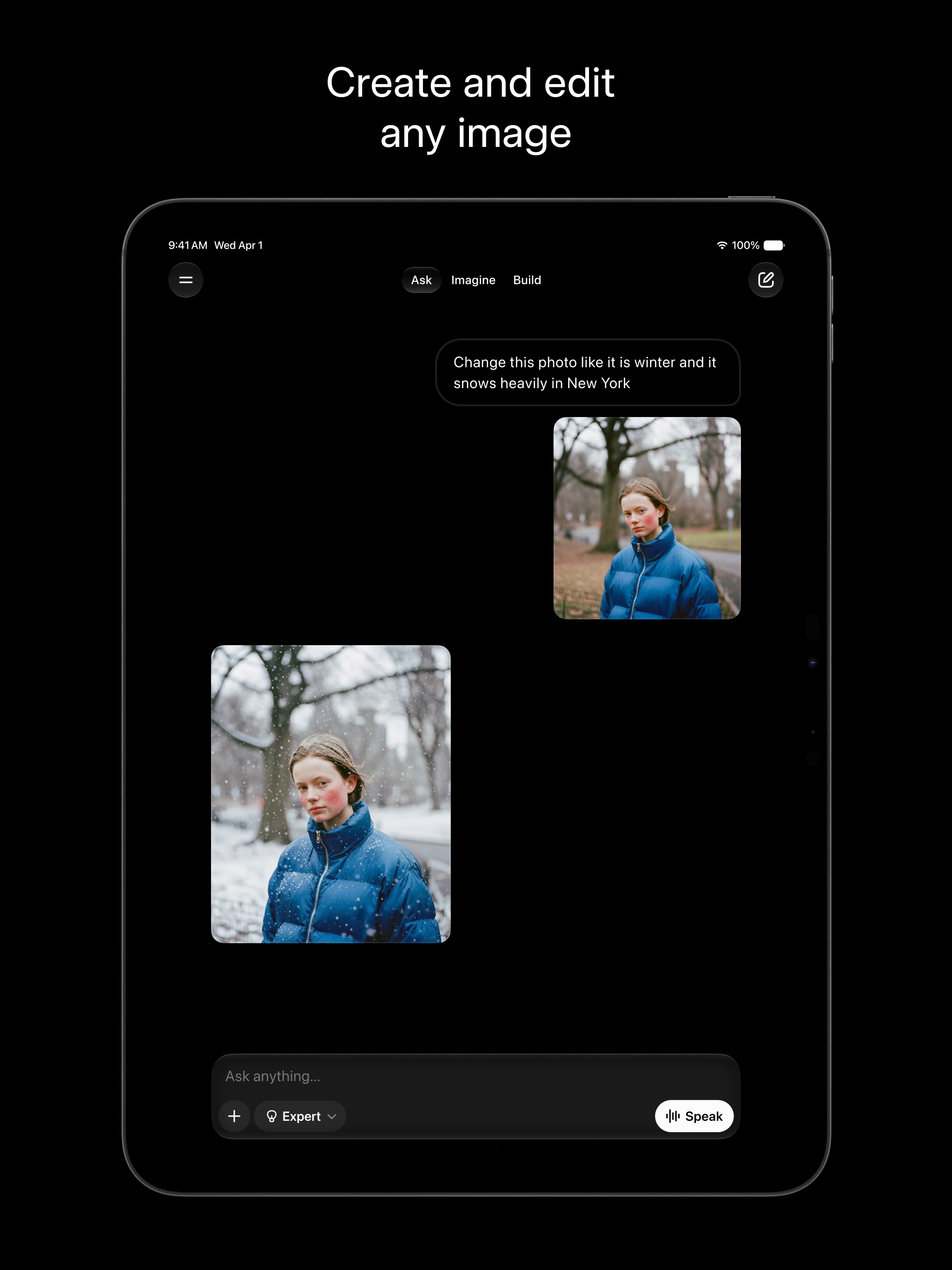
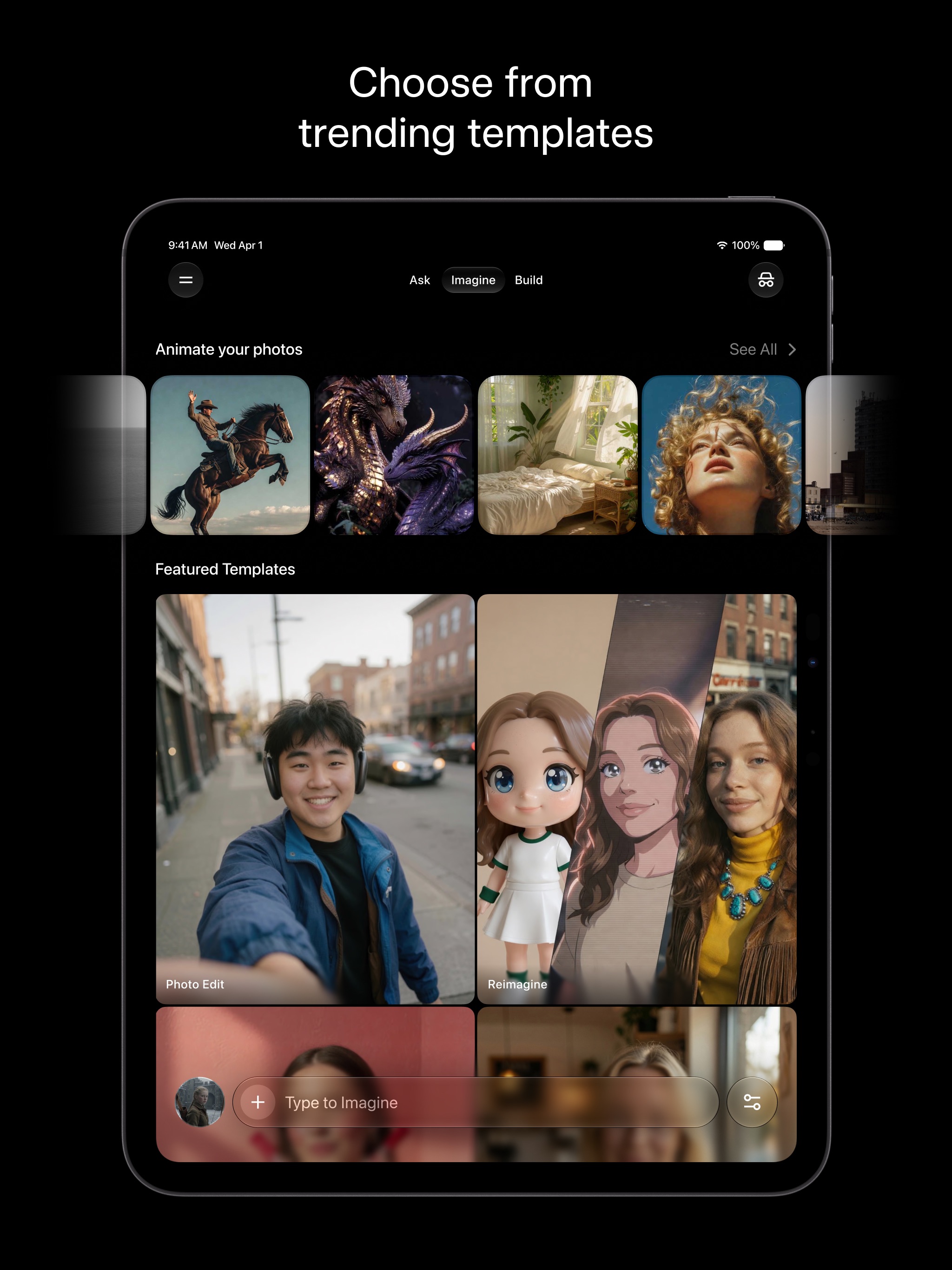
Third is image capability: it handles both image generation and image understanding, allowing you to discuss the contents of an image you share with it. Fourth is routine tasks: document summarization, translation, code writing, and other standard tasks handled by general conversational assistants are all covered by Grok. Its feature list has no obvious weak spots; the real differentiation lies solely in its real-time information capability.
How It Compares to Peers
Compared with similar tools, Grok stands out for its exclusive information source: X. Perplexity, also listed in the chat category of the Lumo directory, similarly emphasizes Q&A with citations, though its sources come primarily from web search and lean toward academic and factual verification; ChatGPT and Claude take an all-round general approach, supplementing real-time information through web search. Grok's difference lies not in the number of features, but in the composition of its information sources: public discussions on X provide first-hand material unavailable elsewhere.
However, this advantage comes with a caveat: posts on X are leads, not verified sources. Posts can be rumors or carry bias, so you still need to check original sources before treating them as conclusions. Grok's value lies in helping you quickly grasp the full picture and timeline of an event, not in making judgments for you. Using it merely as a search engine wastes half its capability; taking the posts it surfaces at face value is using it the wrong way.
Who It Is For and Typical Use Cases
It is well suited for three groups of users: first, people who need to stay close to current events and follow overseas tech, finance, and sports updates, where Grok's real-time Q&A puts them a step ahead of press releases; second, heavy X users who use it for quick information briefings while browsing X daily, effortlessly stringing posts together into background context; and third, independent media creators and journalists who use it to form an initial overview when tracking story leads and sorting out event backgrounds before verifying each point against original sources.
A typical workflow is "ask Grok first to build the framework, then verify against original sources." For example, right after a product launch ends, you can ask what different sides are saying on X and which key figures are being cited repeatedly, getting a clear picture of public sentiment in ten minutes; when writing your piece, you then confirm each detail against official announcements or original reports. Unsuitable scenarios are equally clear: for everyday writing, studying, and office work that do not require real-time information, assistants directly accessible in China are more convenient.
Access and Pricing
In terms of access, using Grok in China requires a special network environment—a prerequisite to confirm before choosing it. Pricing follows a freemium model: basic features are free, while paid tiers offer higher usage limits and stronger models, with exact prices subject to the official website. Note that some of Grok's advanced capabilities are tied to X subscription tiers; as mentioned in our site's earlier Grok Bot alternatives article, Grok Bot is included in X's Premium ($30/month) and higher tiers. For Grok's own subscription details, please refer to the current notices on grok.com and x.ai.
Tools mentioned

Sources
This article is compiled from the public sources above and does not reproduce the originals in full; see the official sources for details.