China Direct-Access Coding Tools Compared: How to Choose Among Trae, Tongyi Lingma, Cursor and Qwen Code
The short answer: choose by where you write code
If you cannot write code without your editor, choose among Cursor, Trae and Tongyi Lingma: all three provide AI assistance inside the editor or IDE, so you write, edit and ask questions without leaving it. Cursor is an AI-first code editor where you write and change code with natural language; Trae is ByteDance's AI coding tool, suited to turning an idea into a working product prototype quickly; Tongyi Lingma is Alibaba Cloud's AI coding assistant.
If you are more at home in the terminal, or you want to hand a whole task to an agent and let it run through several steps, choose Qwen Code. It is an open-source terminal coding agent from Alibaba Tongyi: instead of working inside an editor, it understands your codebase from the command line and carries out multi-step tasks on its own. The two kinds are not replacements for each other: an editor assistant fits writing and editing as you go, while a terminal agent fits handing a task over and waiting for it to finish.
Four tools in two kinds: editor assistants and a terminal agent
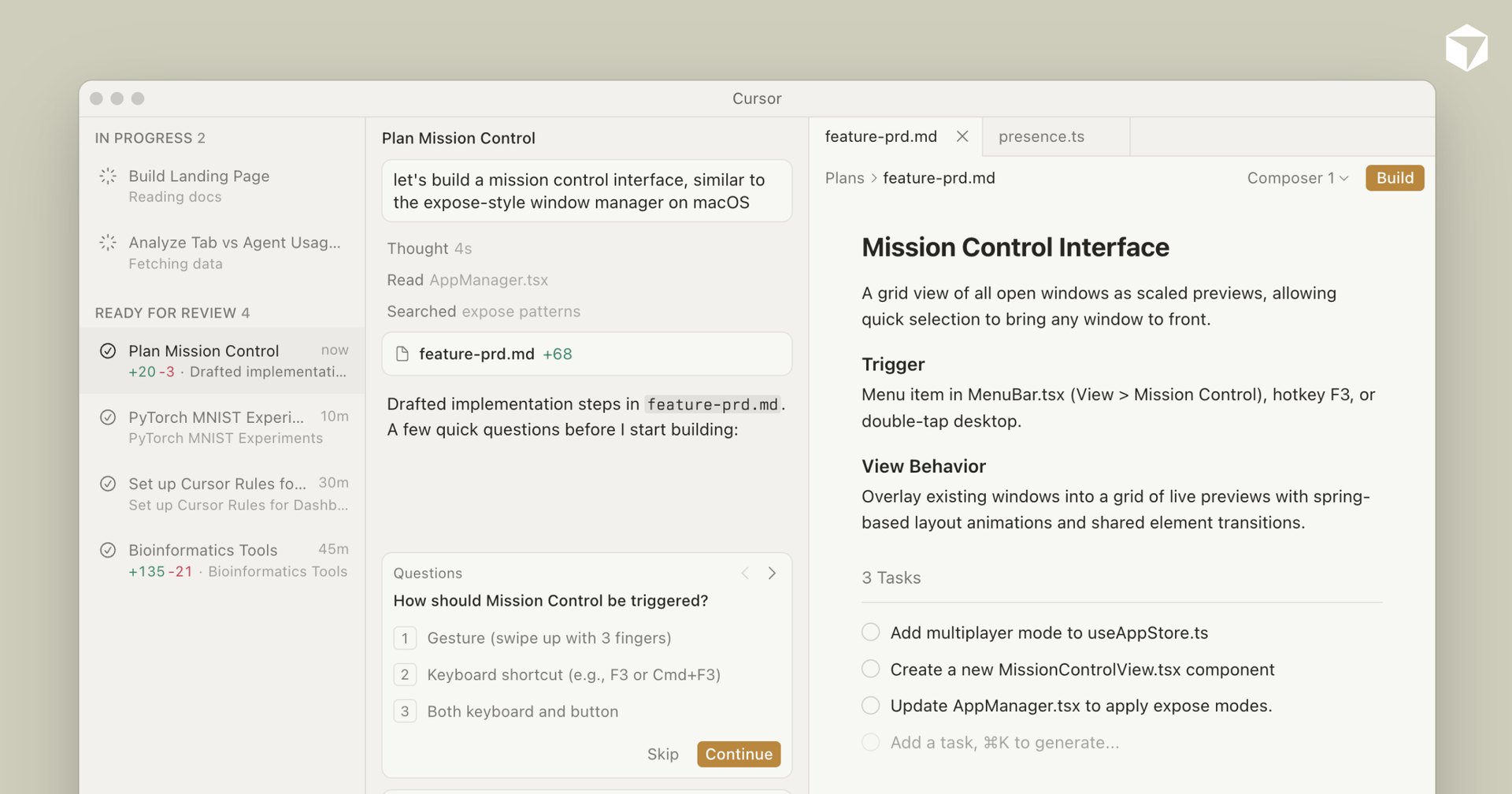
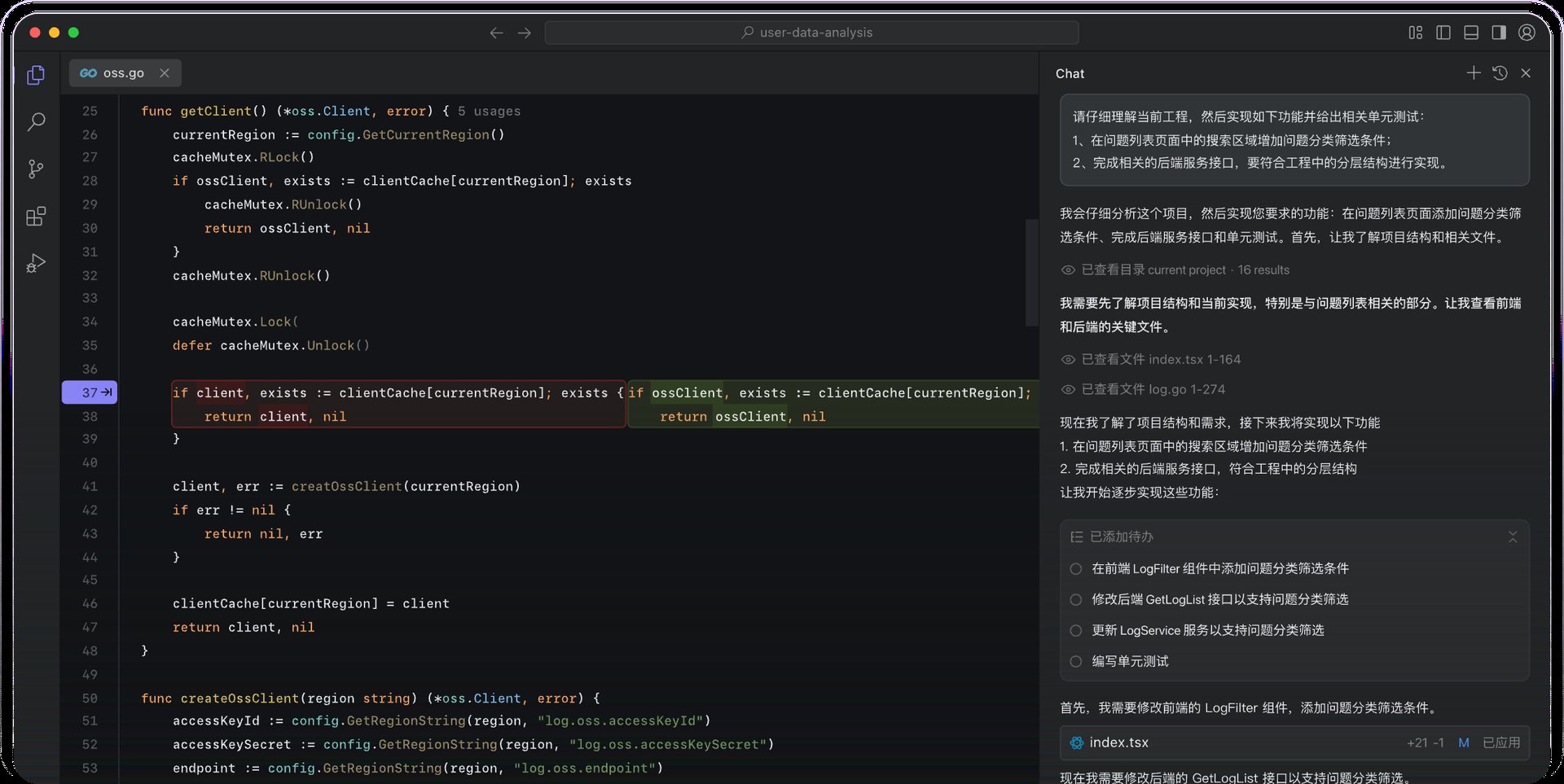
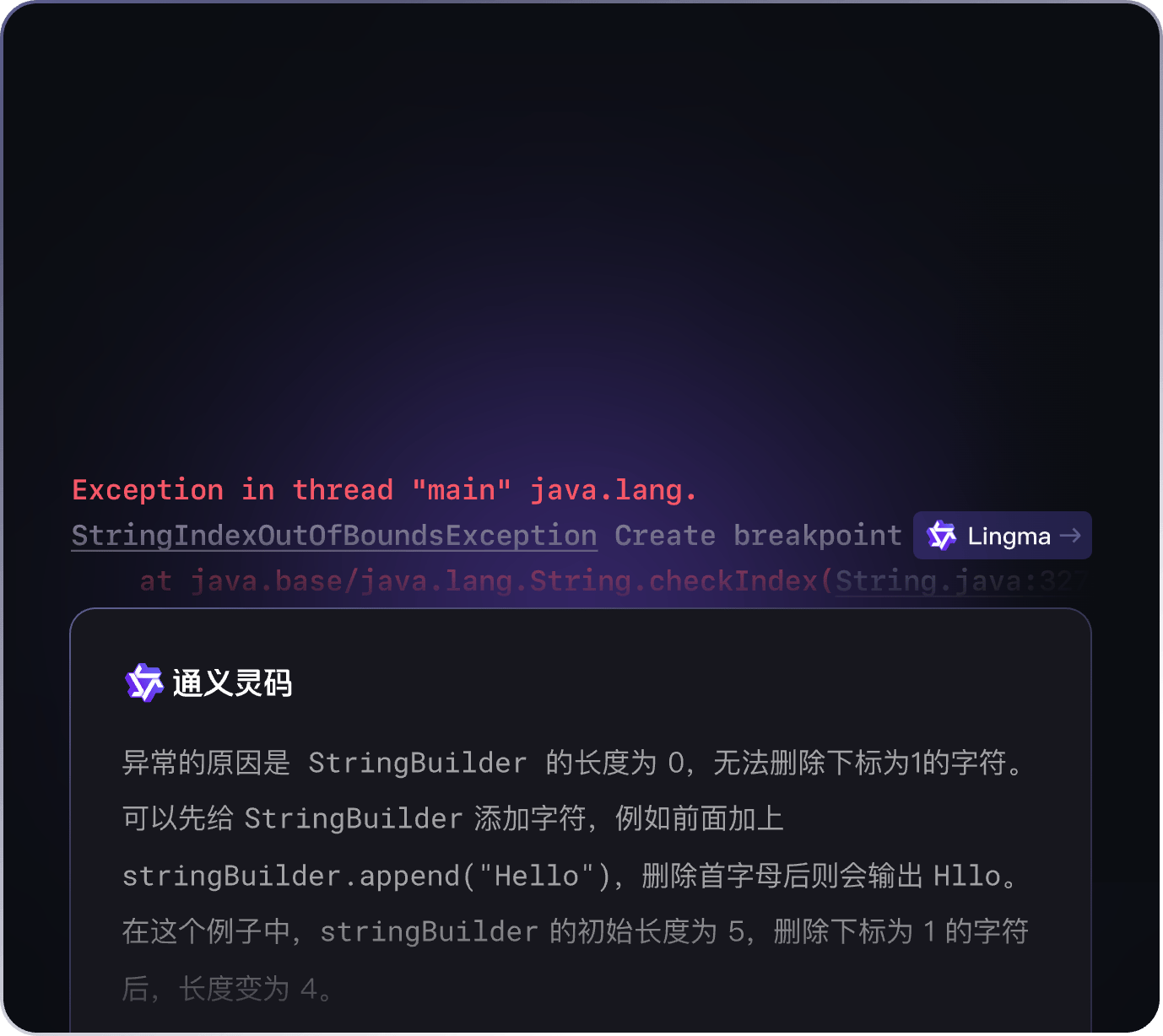
Among the editor assistants, Cursor puts AI inside the editor itself: writing code, changing code and understanding the project all happen in one window, and its screenshots show a Plan mode that drafts a plan and lists tasks before changing any code. Tongyi Lingma works as an IDE plugin: its screenshots show it editing code directly inside the editor, answering in Chinese in a side panel, and listing to-do items; when an error appears it can also explain the cause and suggest a fix, which fits adding AI assistance to an existing development workflow.
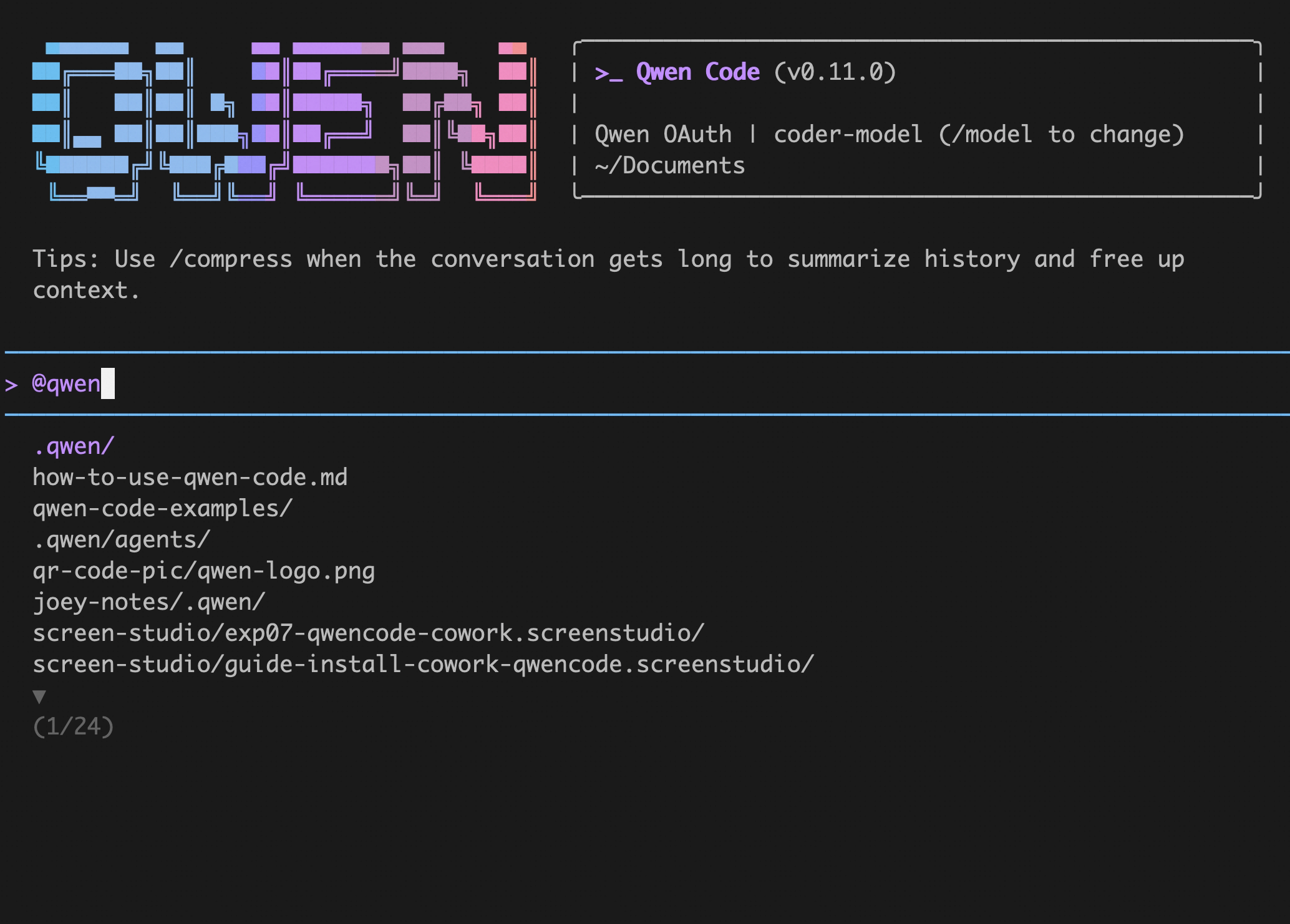
Trae leans toward going from an idea to a prototype: ByteDance's AI coding tool, whose official site splits into two lines, TraeCode for coding and TraeWork as a daily work assistant, for people who want to turn an idea into a runnable product prototype quickly. Qwen Code takes a different path entirely: a terminal-first open-source agent. In interactive mode you run qwen in your project folder to start a conversation and use @ to reference local files; you can also run it headless with the -p flag, which fits scripts, automation and continuous integration.
One by one: who each tool fits
Cursor fits people who already write code in an editor and want AI to take part in changing code directly: describe the requirement in natural language and the editor carries it from plan to code; its pricing model is freemium. Trae fits people who want to test an idea quickly: going from an idea to a runnable prototype is its main scenario, and individual developers and small teams can use it to build demos and minimum viable products at low cost; its pricing model is freemium too.
Tongyi Lingma fits people who write code in the Alibaba Cloud ecosystem: Alibaba Cloud's AI coding assistant, with a free pricing model, ready to use once opened, for asking questions and making changes during everyday development. Qwen Code fits developers who like the terminal and like doing things themselves: an open-source terminal coding agent that supports model APIs of several protocols and also allows signing in with a Qwen account; it suits people who prefer open-source projects and want to read the source code or adjust it to their needs. Its pricing field is unknown, so follow its official site.
Direct access in China: access and pricing for all four
Compared field by field from the Lumo library, all four tools are direct for China access: Trae, Tongyi Lingma, Cursor and Qwen Code can all be opened directly in China. Their pricing models fall into three groups: Tongyi Lingma is free; Trae and Cursor are freemium, with basic features free and advanced benefits by subscription on their official sites; Qwen Code is an open-source project with unknown in the pricing field, so usage costs and model API fees follow the live information on its official site.
A simple way to choose: look at where you spend your time writing code. If it is mostly the editor, keep Cursor, Trae and Tongyi Lingma and pick by whether you need code changes, prototypes or everyday assistance; if it is mostly the terminal, or you want to hand a whole task to an agent and let it run, try Qwen Code directly. Before deciding, open each candidate and run one small real task of your own; that tells you more than a spec table.
Tools mentioned




Sources
This article is compiled from the public sources above and does not reproduce the originals in full; see the official sources for details.