AI Image Tools for Team Collaboration: Shared Assets, Collaborative Output, and Brand Consistency

1. Overview: Three Jobs in Collaboration — Assets, Working Together, and Style
Team image work splits into three jobs: sharing assets, so models, templates, and reference images circulate inside the team; collaborative output, so several people move the same deliverables forward; and consistent style, so images from different people sit together without clashing. The six tools divide along these three jobs. Of the three jobs, assets are the foundation, collaboration is the process, and style is the result — and the order matters: reusable assets first, then working together, then a unified style.
Liblib and Freepik lean toward the asset end, Jimeng, Firefly, and Canva toward collaborative output, and Midjourney sets the style. Of the six, Jimeng, Liblib, Firefly, Freepik, and Canva are freemium, and Midjourney is paid; access is noted tool by tool below.
3. Collaborative Output and Consistent Style: Jimeng, Firefly, and Canva
Jimeng is a one-stop AI image and video creation platform from the Jianying team: images and video come out of the same place, so a team making social content does not switch tools between posters and short clips. Freemium and directly accessible in China. A poster and a short video can come out on the same day, and keeping their style consistent is easier that way.
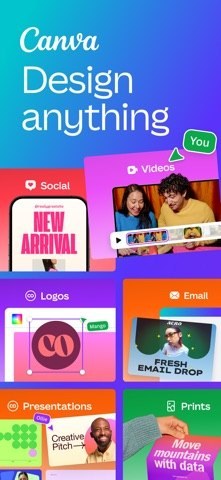
Adobe Firefly is Adobe's generative AI, and it connects with Photoshop and other Adobe tools: a team already on an Adobe workflow keeps it, with generation built in. Canva is an online design platform with built-in AI image and copy features: templates, images, and copy share one canvas, and team members produce from the same brand assets. Both are freemium; Firefly's access follows the official website, while Canva is directly accessible in China.
4. Setting the Bar: Midjourney Defines the Look
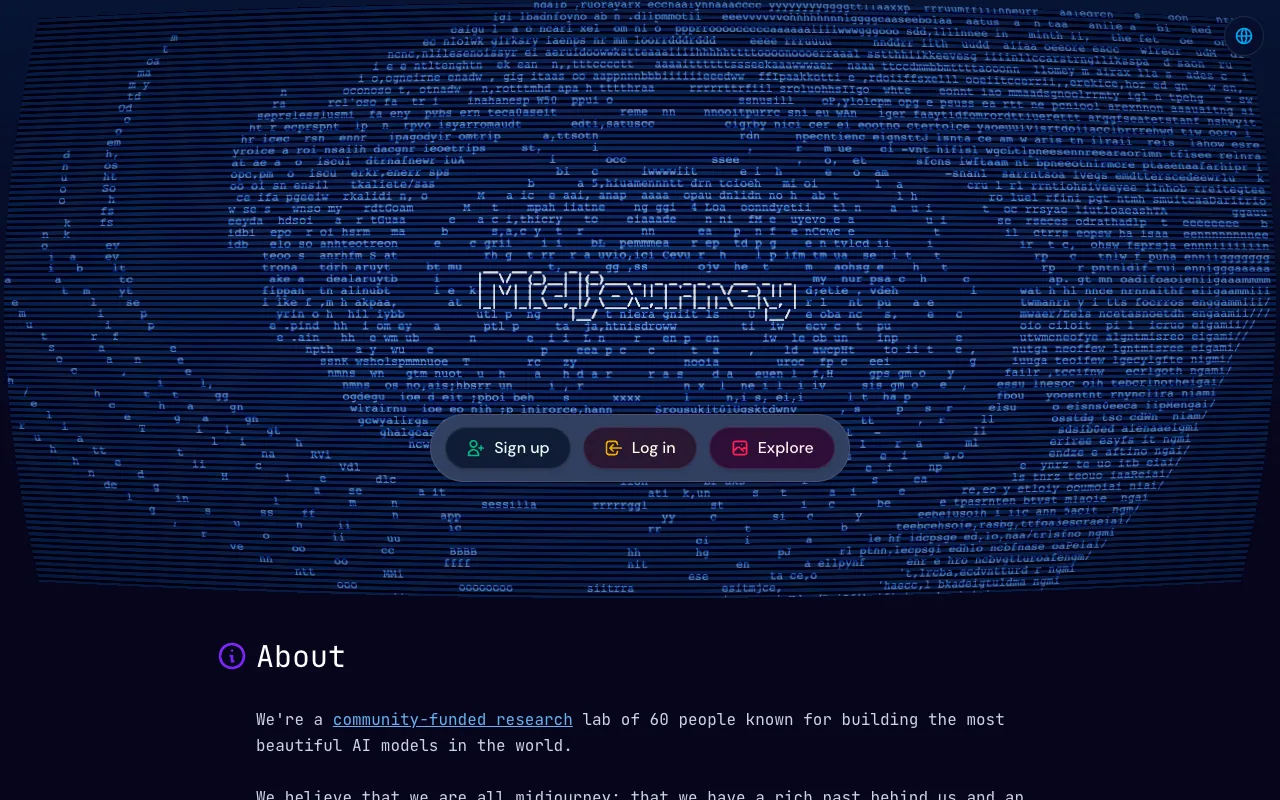
Midjourney is known for striking image quality, and it fits at the front of a team flow as the style reference: produce a few reference images with it first, settle the overall visual direction, then let the other tools carry that direction into volume production.
With that split, Midjourney does not have to carry all the output, and the team does not have to re-debate style on every image. Midjourney is paid, with restricted access in China — a fit for the person who owns visual direction, with the results shared back to the team. Once the reference images are settled, the rest of the team can follow them, and the direction of the output stays on track.
Tools mentioned
Sources
- jimeng.jianying.com
- Midjourney
- Adobe Firefly
- LiblibAI
- Freepik
- Canva
- lumofyi.com
- lumofyi.com
- lumofyi.com
- lumofyi.com
- lumofyi.com
- lumofyi.com
This article is compiled from the public sources above and does not reproduce the originals in full; see the official sources for details.