Kimi vs Qwen: Long Documents or Everyday Versatility — How to Choose?

Maker
Kimi is an AI assistant from Moonshot AI, at kimi.com, focused on long-document handling. Qwen is an AI assistant from Alibaba, at chat.qwen.ai, backed by Alibaba Cloud technology and ecosystem. Both are conversational assistants directly accessible in China, and both sit in the chat category in the Lumo library.
The difference in makers shows up in where each product is headed: Kimi concentrates on reading long documents and research, while Qwen behaves more like a general-purpose entry point covering everyday questions, office work, and long documents. When choosing, look at the scenario you open it for most often, rather than which name is more familiar.
Strengths
Kimi's signature strength is long documents: upload a research report, paper, or contract, and ask it to pull out key points and answer questions about the document, saving the time of paging through it yourself. The library's deep dive on it also positions it as a research-report reader with direct access in China, with long text as its home ground.
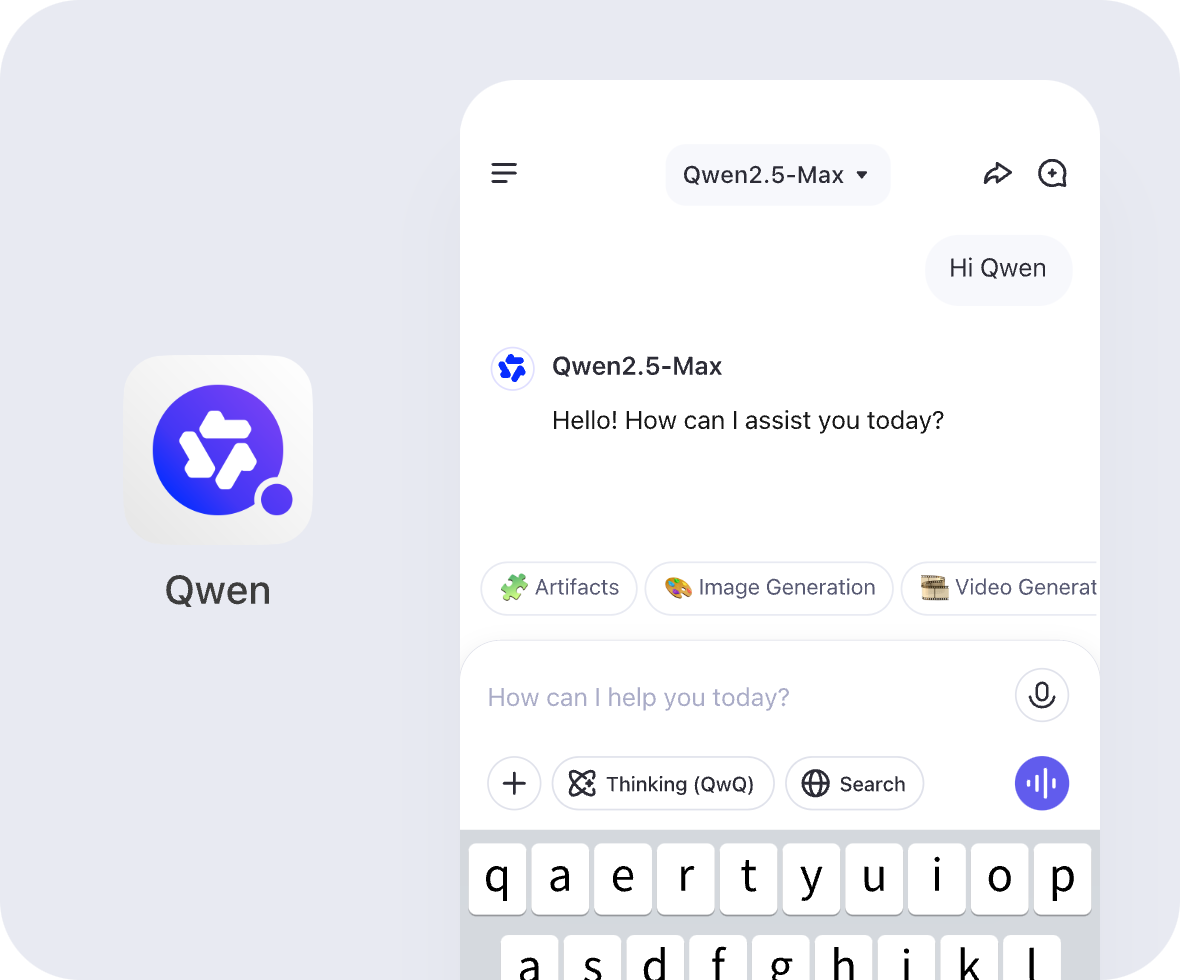
Qwen covers a wider range: everyday questions, writing polish, office document handling, and long-document reading can all go through it, which suits using it as a general assistant opened several times a day. Both should be judged by their current official features, as models and feature details change over time; this article states only pricing models and access, not specific version numbers.

Access and Pricing
On access, both are listed in the library as directly accessible in China — open the official site and use them, with no extra network setup needed. Their pricing models differ: Kimi uses a freemium model, with paid tiers beyond the free allowance, while Qwen is free, so everyday use starts with its free entry point.
The site's own data backs up the standing of both: as of 2026-11-12, the Lumo hub listed 1,720 published tools, including 53 in the chat category, with Kimi and Qwen among them, and the /t/ pages of both were verified to open on the same day. Only the pricing models are stated here; specific tiers and quotas are left to the official sites, and it is worth testing your usual scenarios on the free allowance before choosing.
Who Each Suits
People who often read long documents suit Kimi better as a starting point: for research reports, papers, contracts, and meeting notes, its long-document handling saves the time of searching page by page. Students, researchers, and professionals who do due diligence can all place it in the reading step of their workflow.
People who handle many different small tasks each day suit Qwen better as a starting point: when questions, writing, office documents, and long documents mix together, one entry point that handles them all is simpler. The two do not conflict, and many people keep both: Kimi for long documents, Qwen for everyday tasks — switching by scenario is exactly how this comparison is meant to be used.
Tools mentioned


Sources
This article is compiled from the public sources above and does not reproduce the originals in full; see the official sources for details.