Perplexity Deep Dive: Answers With Built-In Citations, Your First Stop for Research

1. Positioning and Creator
Perplexity was launched by the company of the same name and is positioned as an AI search engine. The problem it solves is very specific: traditional search gives a string of link lists that you have to click open and judge one by one yourself; it changes this to presenting conclusions directly and indicating sources at the end of sentences.
This “answer plus source” format has allowed it to quickly gain a foothold in scenarios requiring fact-checking: systematically gathering materials before writing a report, verifying the original source of a claim, or quickly getting up to speed on an unfamiliar field—all start with asking it first.
2. Core Features
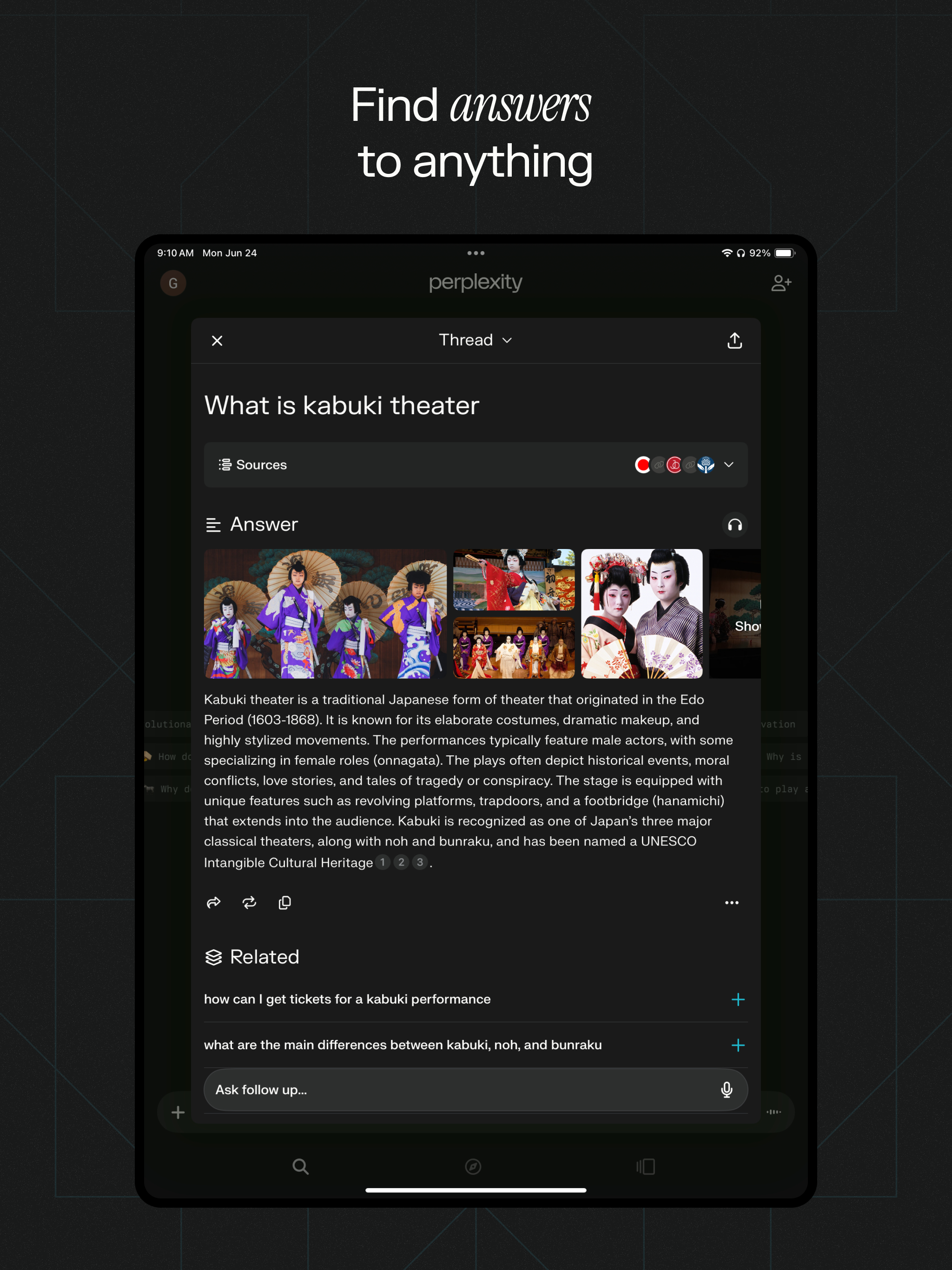
Answers with source citations are the core: after a user enters a question, it searches the web in real time, organizes the answer into paragraphs, and attaches citation links at the end of sentences, making it convenient to click back to the original text for verification one by one. Every single conclusion can be traced back to its source, which is its biggest difference from general-purpose conversational assistants.
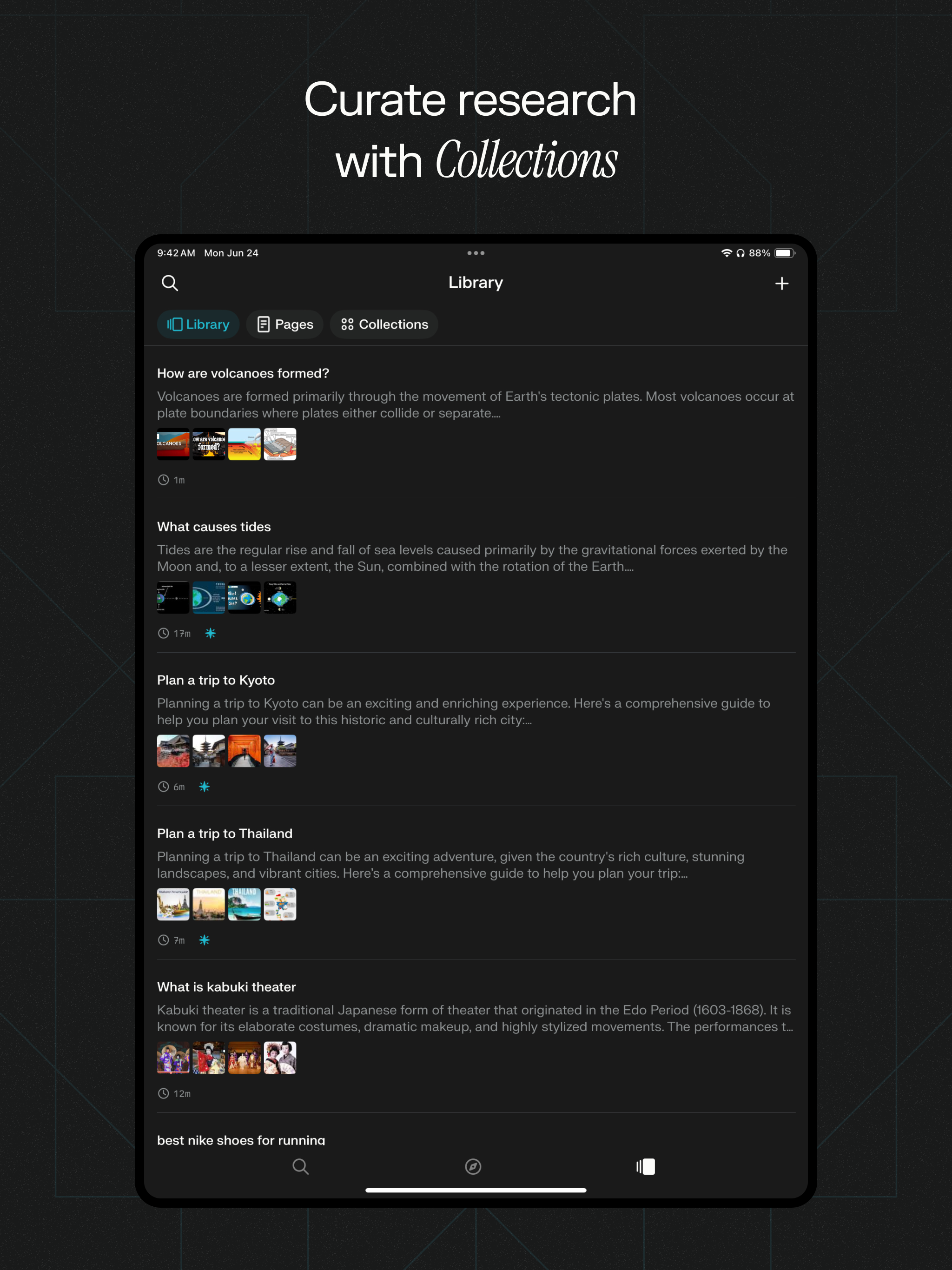
It supports multi-turn follow-up questions and clarifications, and allows limiting information source scopes to academic, the entire web, and other categories; a deeper search mode conducts multi-step retrieval, which is suitable for research-oriented questions. Finally, results can also be organized into a shareable page for convenient team collaboration and review. When systematically gathering materials before writing a report, its multi-step retrieval can break a large question down into several smaller questions to verify separately, and finally compile them into a research brief with citations, which is also convenient for team collaboration and review.
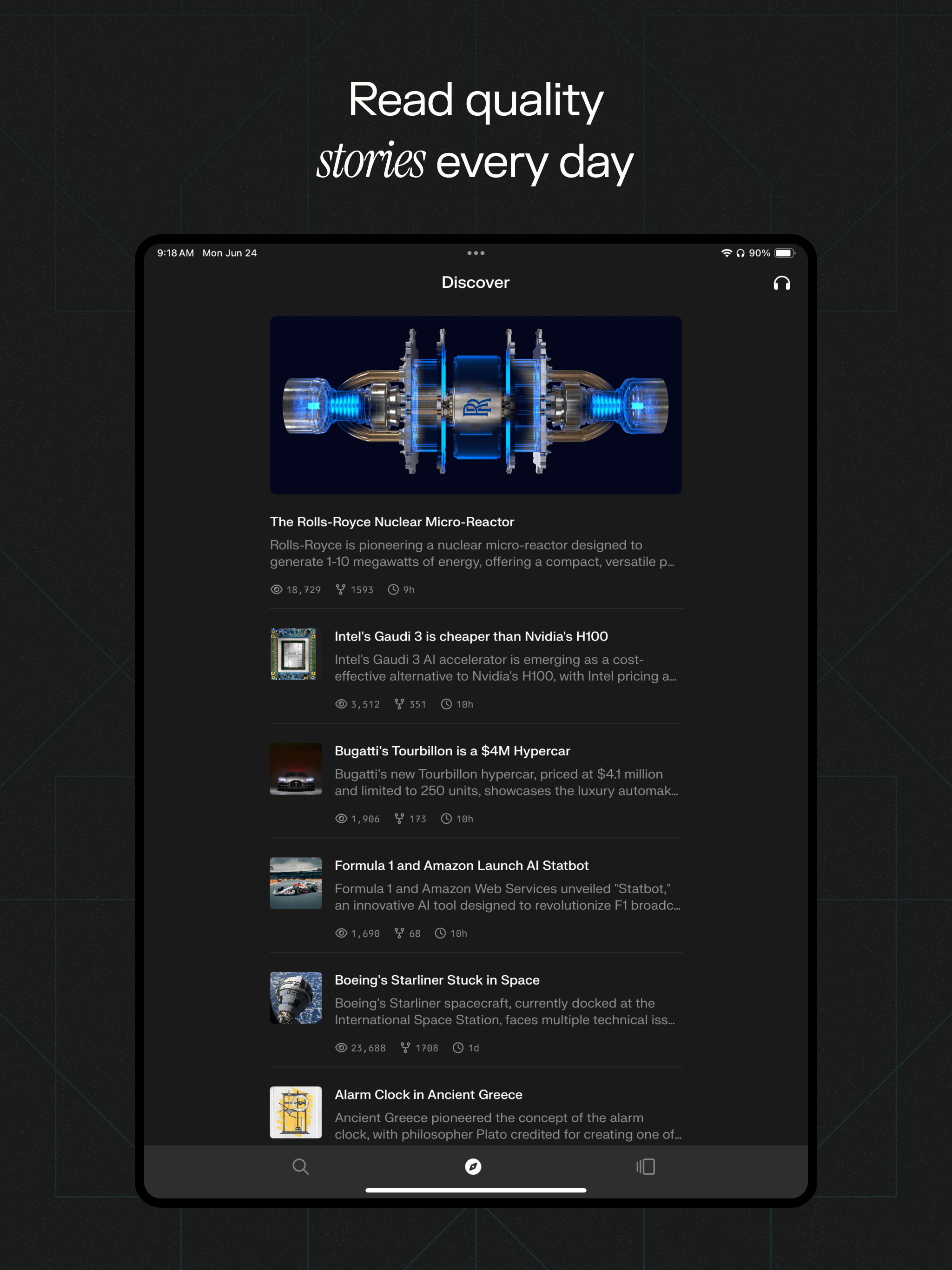
Worth noting for Chinese-speaking users is that it aggregates sources relatively quickly when tracking overseas open-source projects, the latest ArXiv papers, and English technical documentation; paired with Chinese prompts, it can also cover quite a few Chinese-language information scenarios.
3. Distinctive Traits Compared to Similar Tools
Compared with general-purpose conversational assistants like ChatGPT and Gemini, Perplexity's differentiator lies in traceability: general assistants do not necessarily indicate sources when giving conclusions, making verification costly; every sentence in Perplexity carries citation links, making it suitable for work where “you cannot just listen to conclusions, you also have to see the evidence.”
Compared with Chinese search engines like Metaso AI Search, its advantage lies in English and global information coverage, while its shortcomings are that accessing it from mainland China requires a special network, and its indexing depth for Chinese policies and regulations, industry research reports, and academic searches is not as deep as domestic products.
4. Target Audience and Typical Scenarios
It is suitable for students, researchers, and content creators who need to quickly verify facts, conduct industry research, and systematically gather materials before writing reports—especially those who care about information traceability and are unwilling to trust answers without sources.
A typical workflow has two steps: first use Perplexity to complete web-wide source retrieval and cross-verification, then import the selected core PDFs and original web pages into a knowledge-base Q&A tool like NotebookLM for closed-scope close reading—the former is responsible for finding comprehensively and accurately, while the latter is responsible for reading deeply and thoroughly.
5. Access and Pricing
In terms of access, Perplexity requires a special network to be accessed in mainland China.
Pricing follows a freemium model: basic search is free, while usage limits for deep search, stronger models, file uploads, and similar capabilities are provided in paid tiers, with specifics subject to the official website.
Tools mentioned
Sources
This article is compiled from the public sources above and does not reproduce the originals in full; see the official sources for details.