Doubao vs Kimi: How to Choose Between a Mass-Market Daily Assistant and a Long-Document Specialist?
1. Creators and Positioning: Mass-Market Daily Assistant vs Long-Document Specialist
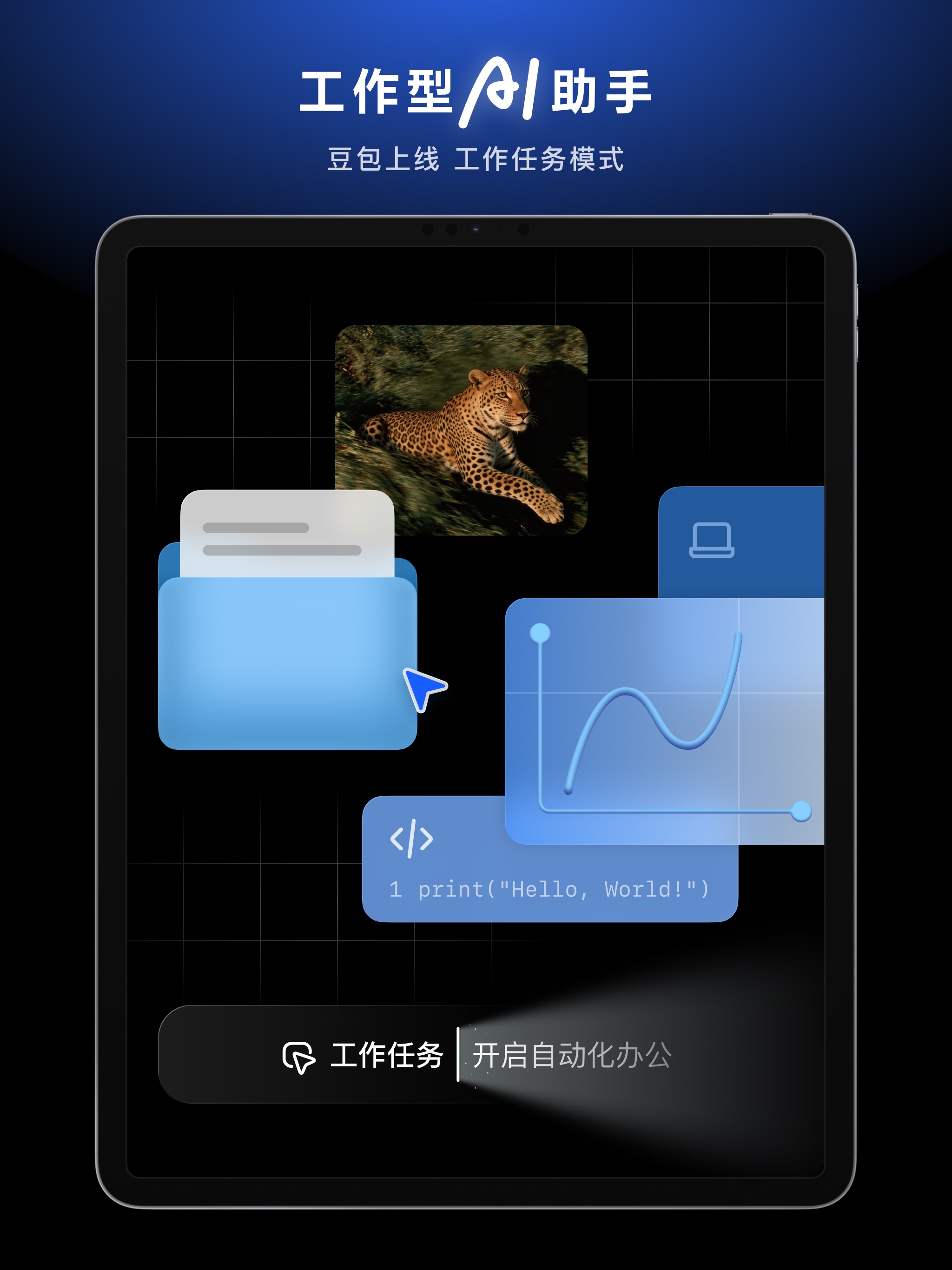
Doubao is launched by ByteDance and positioned as a mass-market daily assistant, featuring chat, writing, image generation, and voice calls all in one. Its philosophy is one entry point for daily needs: within the same chat box, you can ask questions, write content, generate images, and make voice calls, making it suitable for users who treat AI as an everyday companion.
Kimi is launched by Moonshot AI and positioned as a domestic AI assistant particularly adept at handling lengthy materials, with long-document comprehension, web search, and deep thinking as its hallmarks. It made its name with long text: while others were still reading page by page, it could already ingest large-volume documents all at once before answering questions.
2. Respective Strengths
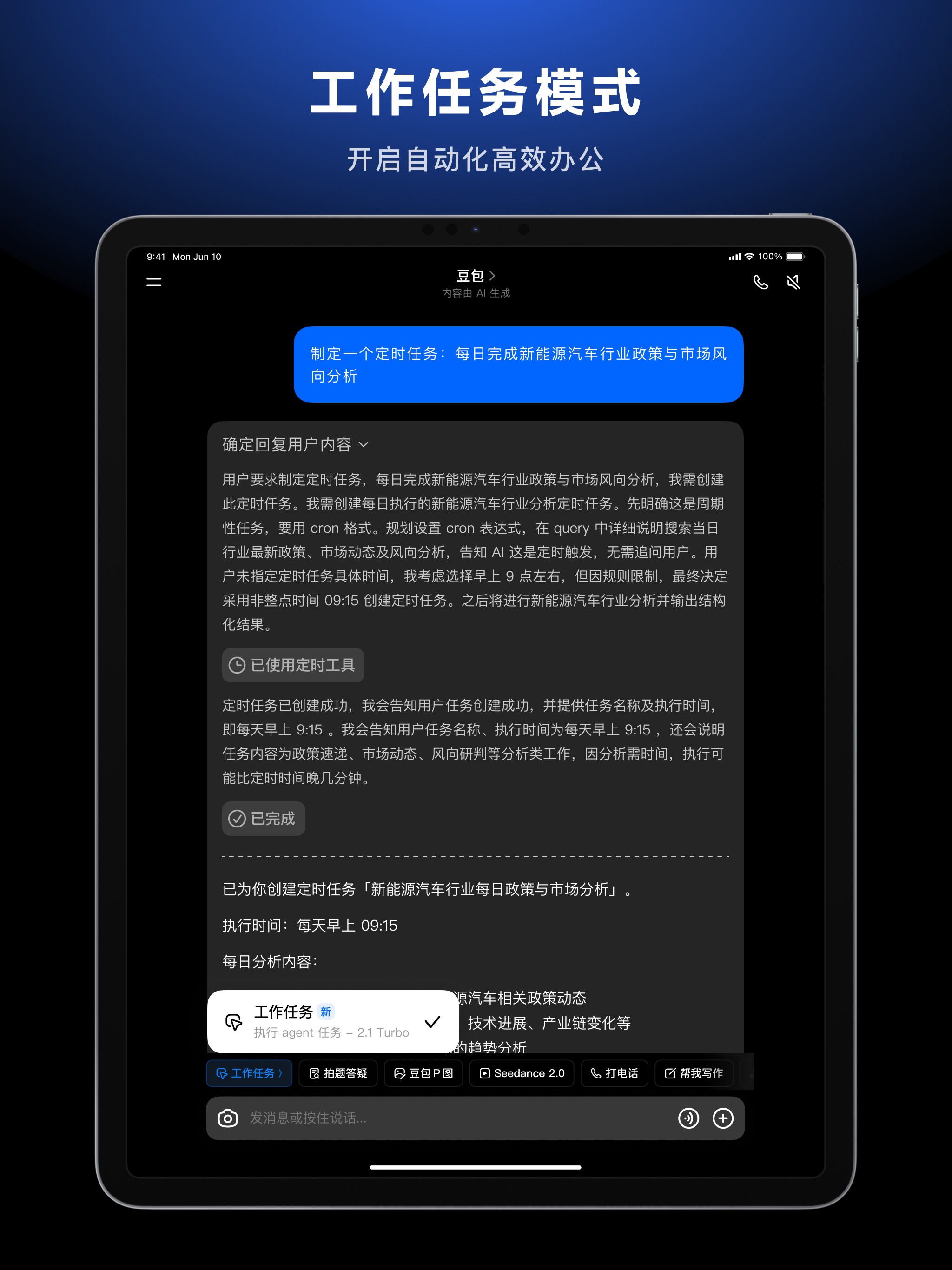
Doubao excels at all-around daily versatility, offering chat, writing, image generation, and voice calls in one place. Writing weekly reports, revising articles, generating an illustration, or having a quick voice chat can all be done through the same entry point; broad feature coverage is its signature trait.
Kimi excels at long documents and web search, offering long-document comprehension, web search, and deep thinking. Handing it lengthy documents for summarization, translation, and Q&A is its most typical use case; it can also retrieve the latest information while answering, eliminating the need to open a separate search engine to check recent news.
The dividing line between the two is not about which is smarter, but the type of task: the more everyday and varied the task, the handier Doubao is; the longer the task and the more deep reading it requires, the handier Kimi is. Choose Doubao for daily Q&A and writing, and Kimi for tackling lengthy materials.
If you can only keep one: keep Doubao if you have more daily tasks, or keep Kimi if you have more long-document tasks; if you use both frequently, keep both and route tasks accordingly at virtually zero cost.
3. Access and Pricing Models
In terms of access, both can be used directly in China without requiring special network configurations.
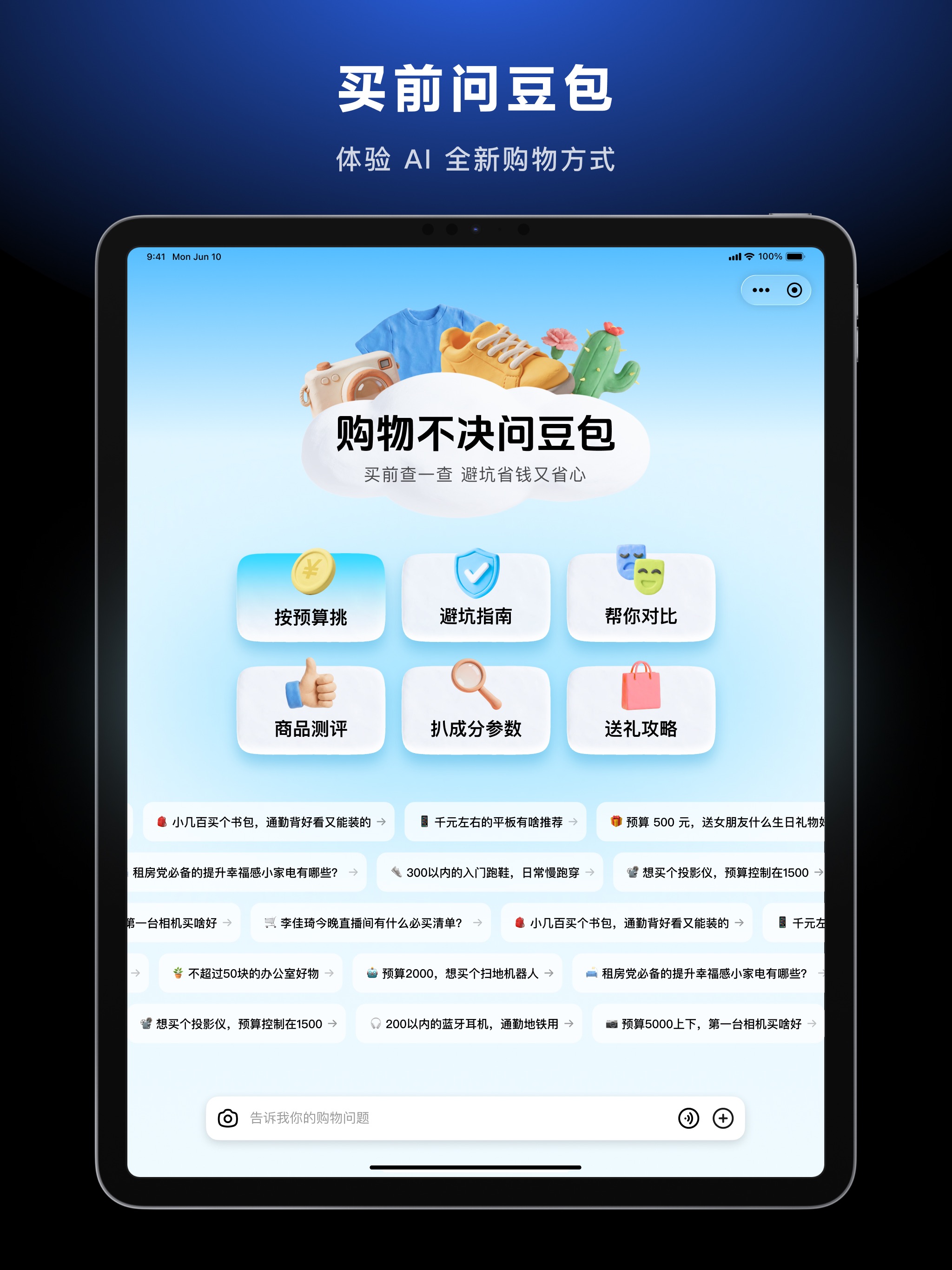
In terms of pricing, Doubao is free to use, while Kimi follows a freemium model: basic features are free to use, and paid tiers offer higher usage limits and stronger model capabilities, with specifics subject to the official website. Both offer free available quotas, so run real tasks on the free tiers for a while before deciding whether to pay for higher usage.
4. Target Users and Combined Usage
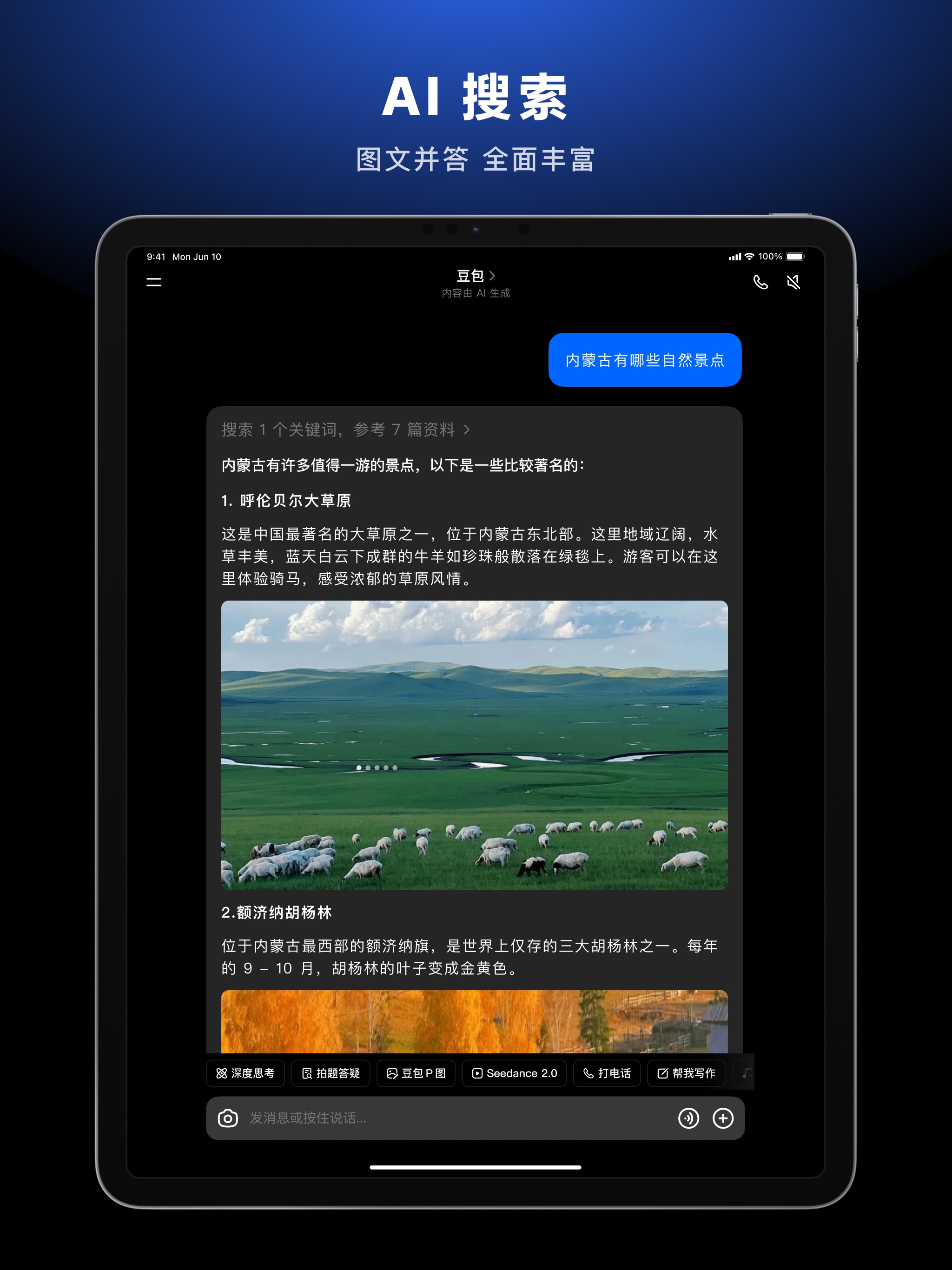
Those who want daily Q&A, writing, image generation, and voice chat in one place should prioritize Doubao: a single entry point covers a wide range of tasks, useful when family members ask questions, you write content yourself, or you want to generate a quick image.
Those who need to tackle lengthy materials should prioritize Kimi: students and researchers reading literature, professionals handling long reports and meeting materials, and investors reviewing financial reports can all directly benefit from its long-document comprehension and web search.
More and more users are using both together: Doubao handles daily Q&A and writing, while Kimi handles reading long documents and checking the latest information. Both are directly accessible in China and offer free available quotas, making task-based splitting virtually cost-free—there is no need to choose one over the other due to access conditions, so simply divide tasks between them.
Tools mentioned


Sources
This article is compiled from the public sources above and does not reproduce the originals in full; see the official sources for details.