Using AI for Competitor Analysis: From Public Information to a Comparison Table
Conclusion and Who It Suits
The conclusion: competitor analysis can start from public information, without buying data first. Set 3 to 5 comparison dimensions first, such as pricing model, core features, target users, and update pace, then use Perplexity to gather information from public sources and check each citation, and finally use ChatGPT or Claude to organize it into a comparison table. It suits product, operations, and marketing staff doing selection research or regular reviews.
The output is a comparison brief with sources: every key conclusion in the table can be opened and rechecked against the original page, rather than an unsupported judgment. Its boundary is clear too: only public information is used, never data that requires sign-in.
What to Prepare
A competitor list: pick 3 to 5 direct competitors first and write down each official website. The list can come from your own experience, alternatives your users mention, or public rankings; fix the list before starting, so the work does not keep expanding as you search.
A comparison dimension table: set the dimensions in advance, such as website, pricing model, core features, target users, and update pace. Once the dimensions are set, do not change them halfway, or the information for different competitors will use different measures and the table cannot be compared across rows.
Step by Step
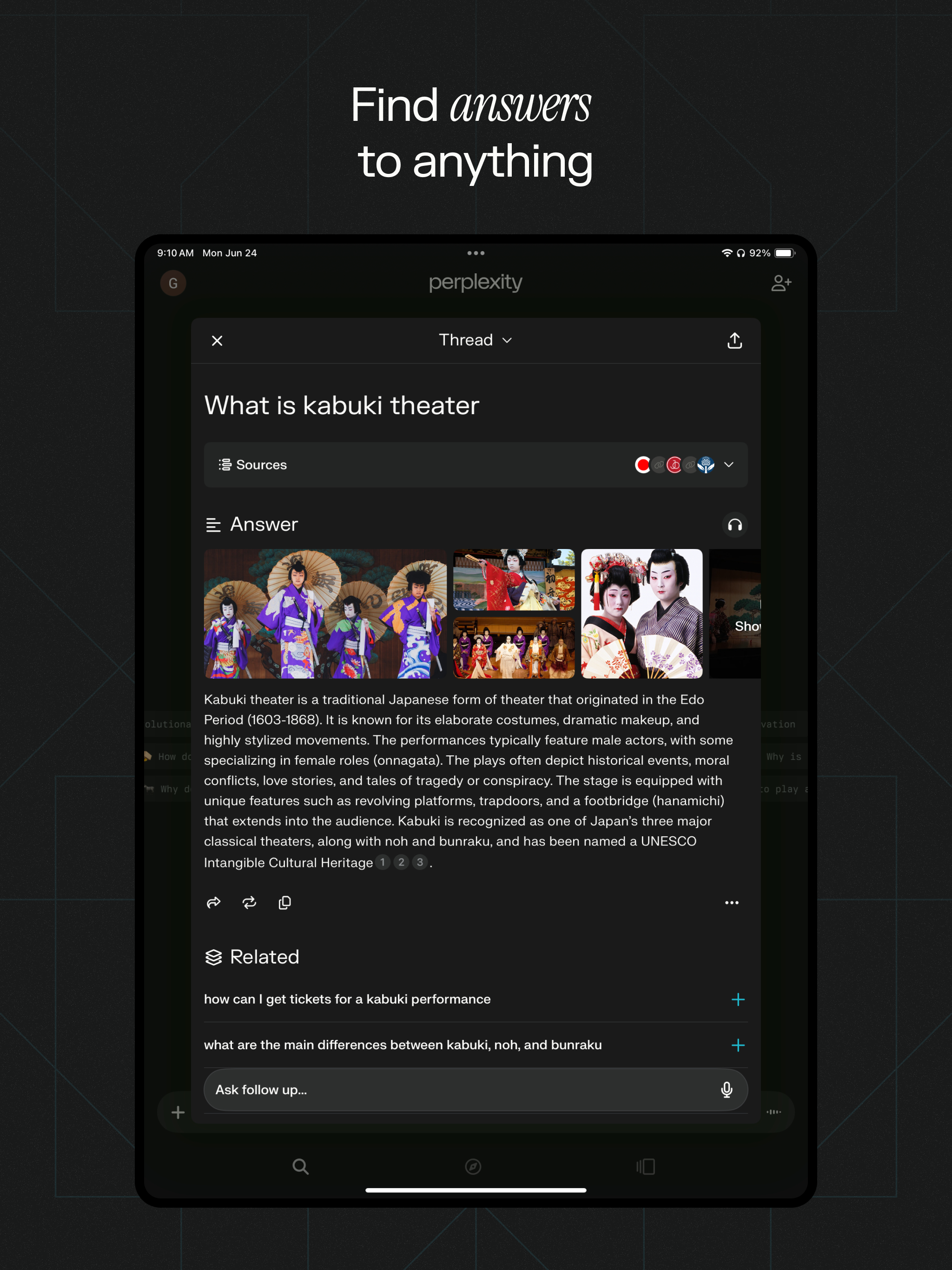
Step 1, gather public information one competitor at a time: ask Perplexity about each competitor separately, for example what the pricing page says, which core features the help center lists, and what the latest changelog mentions. According to the official introduction, each answer comes with citation links; open them and confirm the source actually says it before using it. Step 2, follow up on the gaps: ask separately about dimensions with missing information, for example whether a competitor offers a free tier or a mobile app, and ask the AI to answer from public sources; where nothing is found, write that no public information is available instead of guessing.
Step 3, build the comparison table: hand the gathered information to ChatGPT or Claude and ask for a table using the dimensions set earlier, then ask it to mark which dimensions have public sources behind them and which are still thin. Step 4, write conclusions and next steps: write 3 to 5 verifiable conclusions from the table, for example which competitor has the most complete public information on a given dimension, and list what still needs verification, with source links.
Common Blocks and Fixes
The AI answer has no citations, or a citation does not open: according to the Perplexity official introduction, every answer carries clickable citations; if one does not open, switch to another source or open the competitor's official website directly. Different sources contradict each other: take the official website and help center as authoritative, treat media coverage as reference only, and note the source and the check date in the table.
The comparison table keeps growing: keep only the dimensions set in advance; before adding a new one, ask whether it changes the conclusion, and if not, put it in the notes. Information goes out of date: pricing and features follow the official pages on the day, and keep the citation links beside the table so the next review is easy.
Things to Watch
Use only public sources for competitor information: official websites, help centers, public coverage, and changelogs are fine; content that requires sign-in, internal data, and anything behind a paywall is not used, and no workaround should be attempted. For prices, write only the official page price on the day, with the currency and the check date noted, and describe features based on the official page wording.
These steps were checked against the official pages on 2026-11-22. If the platform rules change, the official pages govern.
Tools mentioned


Sources
This article is compiled from the public sources above and does not reproduce the originals in full; see the official sources for details.