How to Choose an AI Development Platform: A Horizontal Comparison of Hugging Face, Replicate, and Inference APIs
1. The Verdict First
In one sentence: go to Hugging Face first to find models and datasets, look at Replicate and Modal for running open-source models in the cloud, use OpenRouter when you need a single API to call multiple models, turn to Groq for low-latency inference, and leave unified calls across many models to LiteLLM.
If you are just starting on your first AI application: first find a suitable open-source model on Hugging Face, then use cloud inference from Replicate or Modal for quick validation; once the product takes shape, consider OpenRouter's unified API and LiteLLM's multi-model gateway.
2. A Look at Each of the Six Platforms
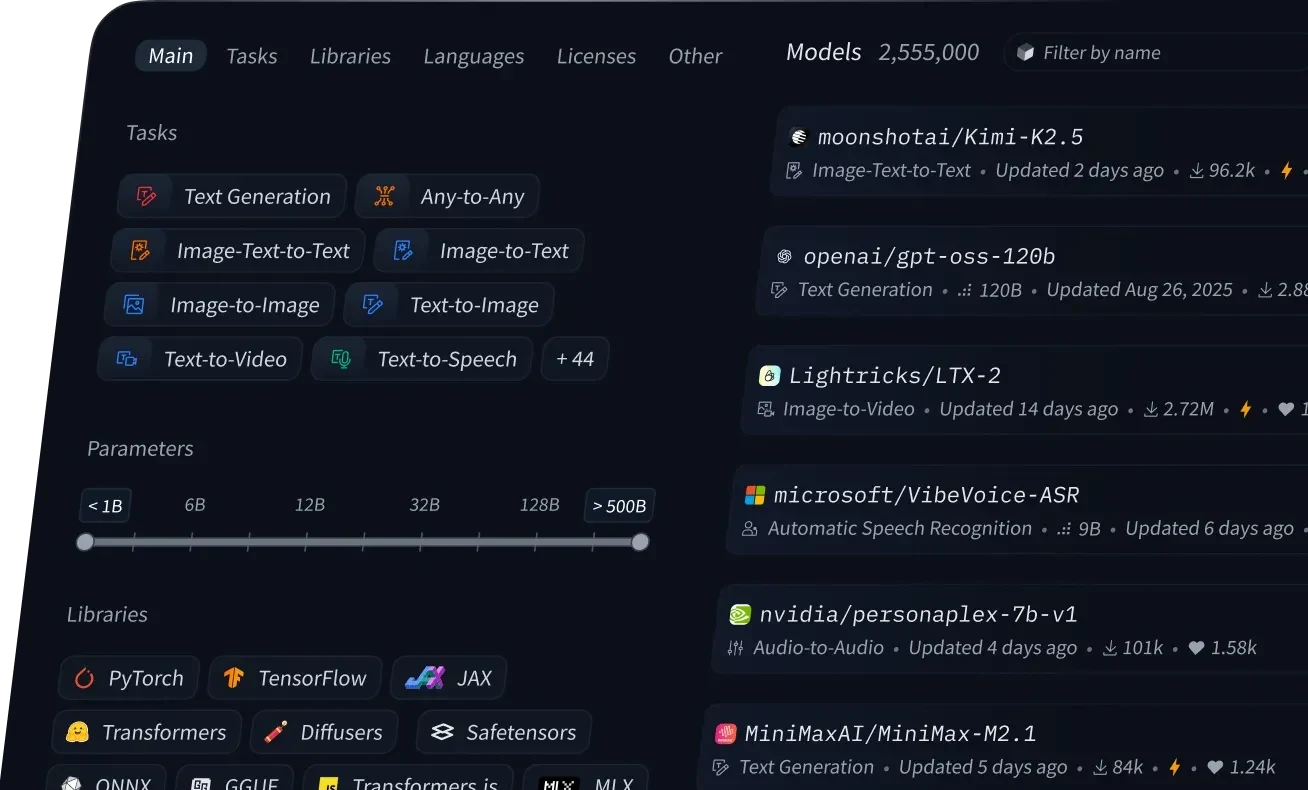
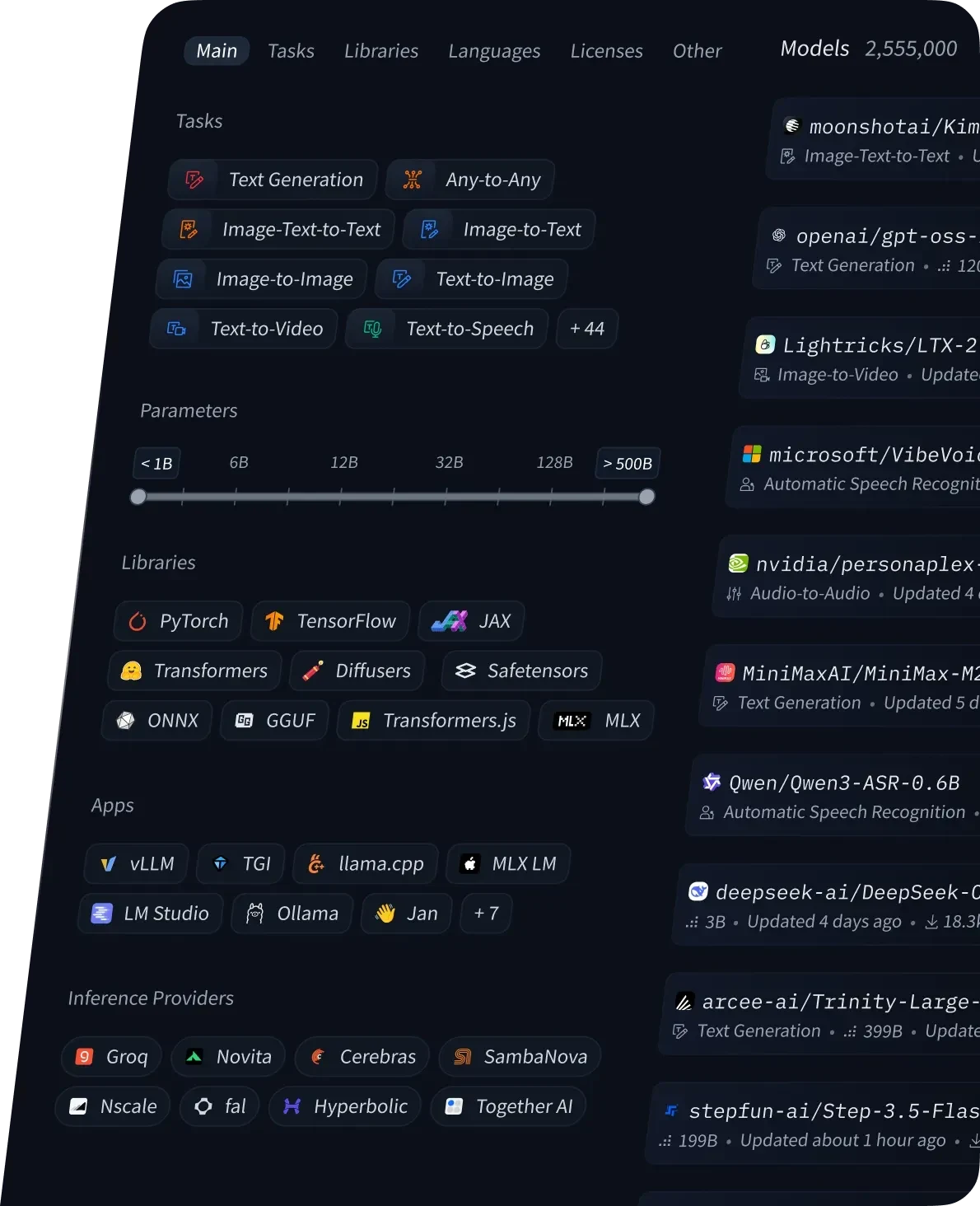
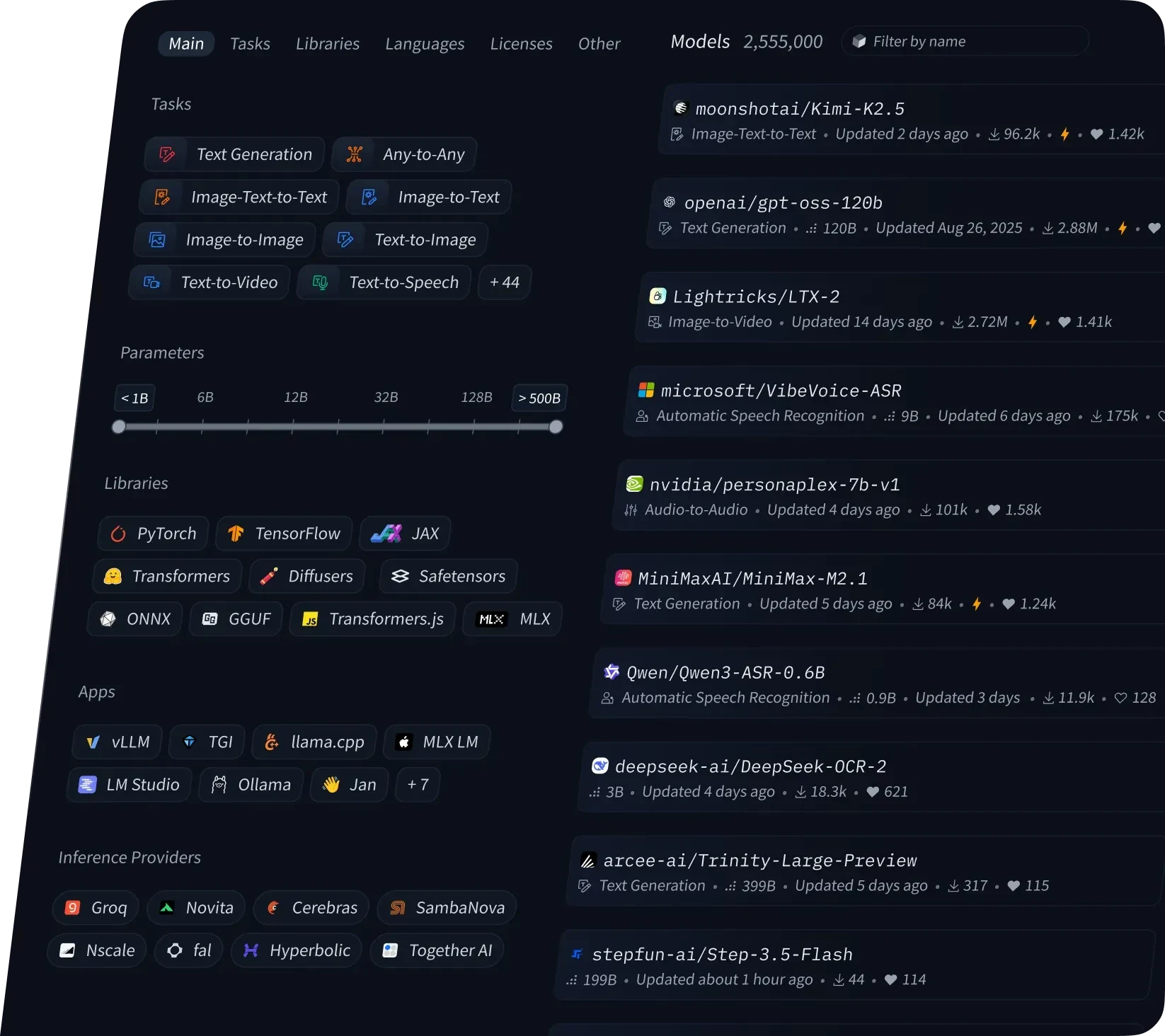
Hugging Face is the world's largest open-source AI model and dataset community, bringing together models, datasets, and application demos as the default starting point for finding models; Replicate is a cloud AI model execution platform that lets you call a wide range of open-source and official models via API without building your own GPU infrastructure, making it suitable for rapid idea validation.
Modal is a serverless cloud platform for AI that defines infrastructure in code and runs model inference, training, and agent sandboxes, suited to deploying a model as a callable service; Groq provides a high-speed large model inference cloud powered by its proprietary LPU chips, offering an OpenAI-compatible API focused on low latency. OpenRouter is a unified large model API aggregation platform that lets a single interface call multiple models and route by usage, suited for scenarios requiring simultaneous integration of multiple models; LiteLLM is an open-source AI gateway and Python SDK that calls services from over a hundred model providers through one unified OpenAI-format interface, suited to converging multi-model calls onto a single interface.
3. Match by Scenario
For prototyping: pick a model on Hugging Face first, then call it directly via Replicate's API—just a few lines of code can get a demo running without setting up GPU servers beforehand; if the prototype needs to run long-term, compare Modal's serverless inference and training capabilities.
For production products: use OpenRouter's unified API for routing when you need to connect multiple models simultaneously, and consider Groq for latency-sensitive real-time scenarios; when model sources are many and interfaces are mixed, use LiteLLM's unified gateway to converge calls onto one OpenAI-format interface.
4. Access and Pricing Notes
Regarding access, none of the six platforms have mainland China access status labeled in the Lumo library, so confirm network conditions before use; Hugging Face is the world's largest open-source model community and is frequently used by developers in mainland China to look up models and datasets.
Regarding pricing, Hugging Face, Modal, and LiteLLM operate on freemium models where basic capabilities are free and advanced capabilities follow their official websites; pricing models for the other three platforms are subject to their official websites, and you can start with free tiers or small-scale pay-as-you-go calls to verify costs during selection.
Tools mentioned





Sources
This article is compiled from the public sources above and does not reproduce the originals in full; see the official sources for details.