Which AI Tool for Marketing Posters: A Working Guide to Canva, Meitu, Gaoding, Jimeng, and Ideogram
Canva: Home Base for Layout and Full Asset Sets
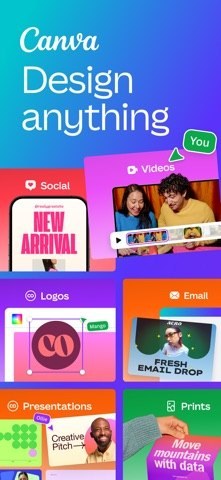
Canva's specific job in this scenario is layout and sets: poster, social graphic, and event asset layouts and templates are all handled in one place — change the copy, swap the image, adjust the palette, and one set of assets can be extended across sizes. The main visual may come from elsewhere, but it only becomes a publishable poster once it lands in Canva.
It sits in the design category, is directly accessible from China, and uses a freemium model whose free tier covers everyday layout needs. Its stage is finishing and sets: when an event needs a group of graphics, or one theme must go out across several channels, Canva is the assembly table — and the step least likely to go wrong.
Meitu: Real People on Camera and Portrait Retouching
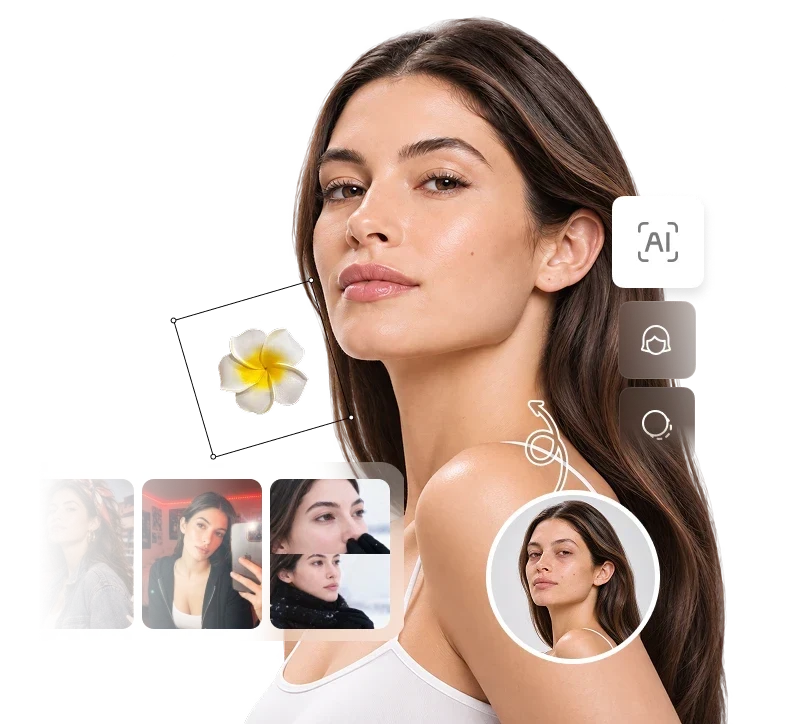
Meitu's specific job here is handling people: promo posters featuring real people, portrait-style graphics, and portrait retouching and beautification are its home ground. When a poster needs a human figure, prepare the portrait in Meitu first, then hand it to a layout tool for assembly — the finished poster will look noticeably steadier.
It sits in the design category, is directly accessible from China, and uses a freemium model. It fits brand event posters, store promotions, and people-themed social graphics; it does not fit generating a main visual from scratch — that is not its main job, and forcing it there takes the long way around.
Gaoding: Product Hero Images and E-commerce Promo
Gaoding's specific job here is product images: its AI product feature generates product hero images across several scenes in one click, removing the studio setup step. For e-commerce promo posters, the hardest part is often not the headline but the product shot itself, and Gaoding turns that step into a semi-automated flow.
It sits in the design category and is directly accessible from China, with pricing following the official website. It fits sellers making event hero images, promo posters, and product detail graphics; check the current pricing and feature range on the official website before building it into a fixed workflow.

Jimeng: The Starting Point for the Main Visual
Jimeng's specific job here is producing the main visual: it is ByteDance's all-in-one AI creation platform, and its text-to-image generation can produce poster backgrounds and main visuals from a description. With no ready-made assets and a need for an atmospheric key image, starting from Jimeng is the shortest path.
It sits in the image category, is directly accessible from China, and uses a freemium model. Its stage is the beginning: generate several main-visual candidates, pick the one with the right direction, then move into Canva or Gaoding for layout; if the main image also needs accurate headline text, hand that part to Ideogram.
Ideogram: Headline Text Inside the Image
Ideogram's specific job here is headline text: poster titles, slogans, and logo lettering are the kind of in-image text that image generators often garble, and it handles that step comparatively reliably. For English headline posters and designs where the slogan must be laid out inside the picture, try it first.
It sits in the image category, with restricted access from China and pricing following the official website. Its stage is the headline image: generate the titled main image with it first, then move into Canva for size variants and series production; confirm reachability before putting it in the pipeline, since access from China is restricted.
Suggested Combination: A Workflow You Can Follow Directly
The recommended pipeline is: generate the main visual and headline image with Jimeng or Ideogram, prepare product hero images in Gaoding, handle portrait material in Meitu, and finally assemble everything in Canva for layout and per-channel sizes. Each tool is used only for the part it does most smoothly, which visibly cuts rework on a single poster.
Access and pricing differ across the five tools in this pipeline: Canva, Meitu, and Jimeng are directly accessible from China, while Gaoding's and Ideogram's pricing follow their official websites, and Ideogram's access from China is restricted. Confirm reachability and current pricing for each one in that order before settling on this as your regular combination.
Tools mentioned


Sources
This article is compiled from the public sources above and does not reproduce the originals in full; see the official sources for details.