Mistral Releases Large 4: ~1-Trillion-Parameter Open-Weight Flagship Focused on Agentic Coding
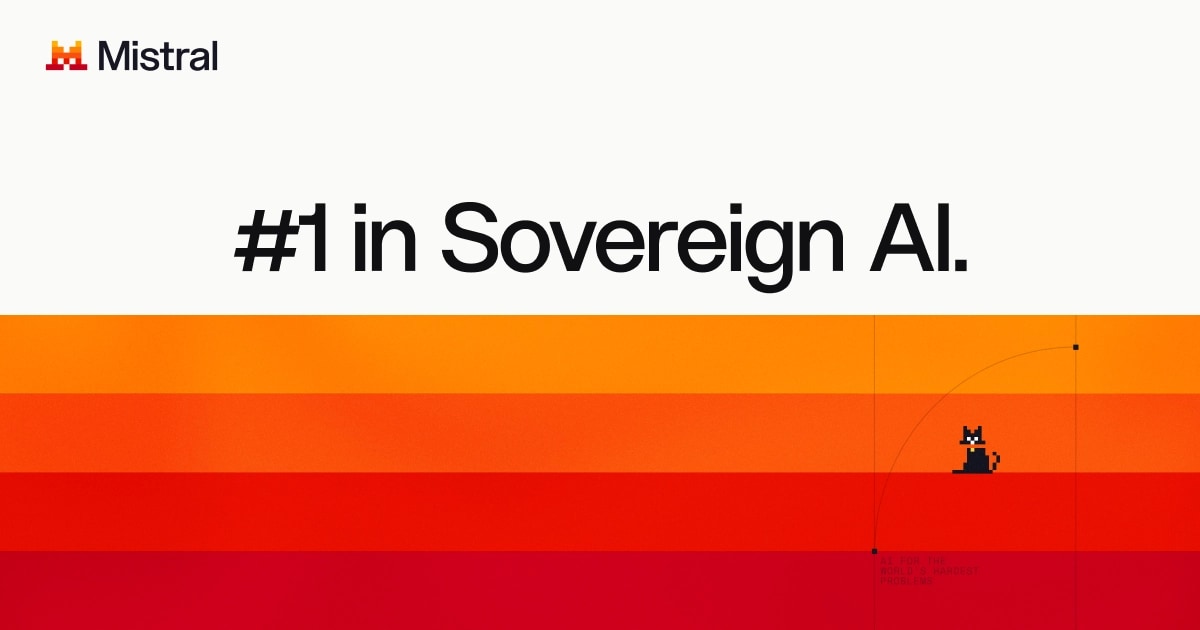
01Mistral Large 4
Image source: Mistral
An open-weight flagship model with roughly 1 trillion total parameters and ~52B active parameters per token, focused on agentic coding and cybersecurity, scoring 48% on the Coding Agent Index while using 47% fewer tokens on average than comparable models.
💡 Lumo’s take
Start by using the API to build a lightweight tool that runs read-only security health checks on your own repositories, then consider local deployment once it works smoothly.
Six open-weight models of around 2B parameters covering text, vision, audio, Omni, and decision-making; the text model features a 256K context window, uses ~1GB of VRAM at 4-bit quantization, and can run agents locally on an iPhone 17 Pro.
💡 Lumo’s take
Build a local "auto-tagging + deduplication for new items" mini-agent for a directory site so data never leaves the device and costs stay near zero.
A photorealistic world model capable of generating navigable, editable, and conversational environments in real time, featuring native audio, ~2 minutes of scene consistency, and natural language controls during runtime to change weather, switch camera angles, or add people and objects.
💡 Lumo’s take
Don't rush to replicate the model—first build a "world model application idea library" by breaking down demo scenarios into a list of interactive mini-demos for your directory site.
Allows users to query ServiceNow, update records, and trigger workflows directly inside ChatGPT, with ServiceNow's Action Fabric preserving existing permissions and business rules.
💡 Lumo’s take
Adopt this layered architecture when building small products: let the chat interface handle intent and display, while routing actual database writes and record changes through a permission-enforced backend service.
A free tool that tests whether websites can be properly used by AI agents: runs 125 checks across discovery, access, usability, and payment, simulates real agent paths, and provides a 0-100 score along with top-priority fixes.
💡 Lumo’s take
Test your directory site first, then turn Dedica's checklist into your own "AI-Friendly Site Score" column.
A "world model that can build" created by a former Palantir team, trained on over 100 million square feet of real permitted architectural data across the US to understand structure, materials, load-bearing, plumbing, and HVAC; recently raised a $17 million seed round led by a16z.
💡 Lumo’s take
Find a vertical domain with public standards and real-world data, and focus on "constraint-accurate generation" before "visually plausible generation."
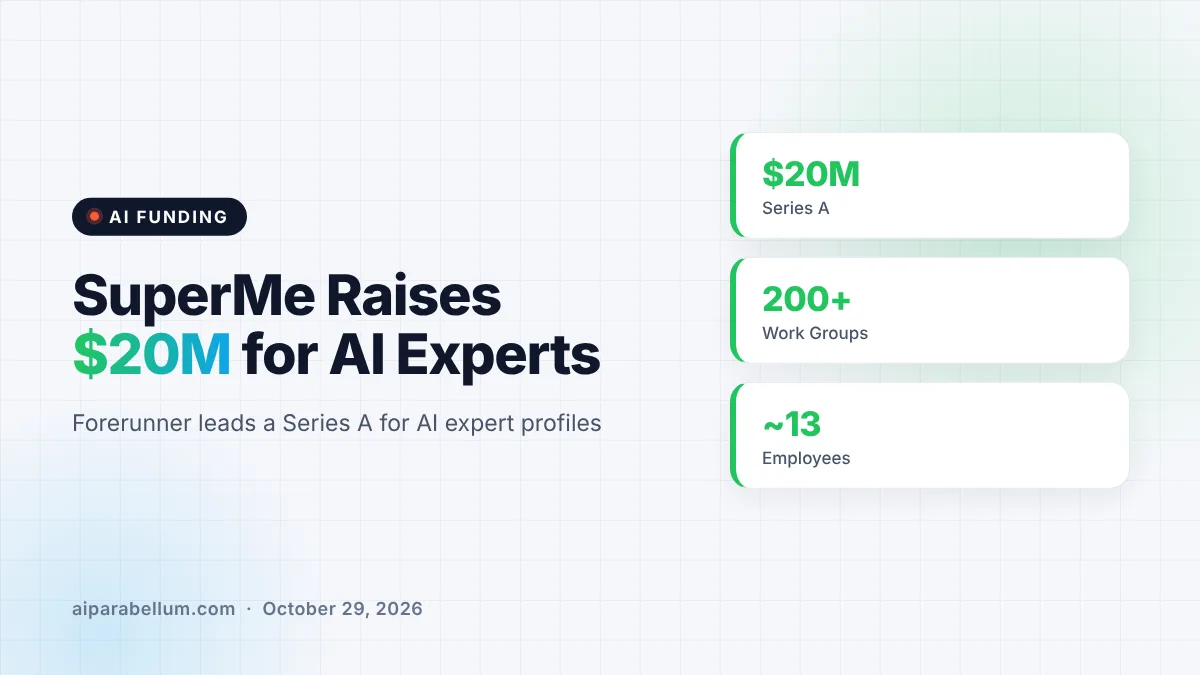
Turns real experts' public knowledge into AI expert personas, automatically pulls relevant personas into a group chat discussion when a question is asked, and supports invocation inside Claude and ChatGPT via MCP; recently announced a $20 million Series A.
💡 Lumo’s take
Decision-making mini-products can borrow this "multi-expert group chat debate" interaction format.
LG is entering academic, public institution, manufacturing, and logistics markets first before expanding to home humanoid robots aimed at price points households would realistically consider; its Seoul Data Factory enters full operation in Q4 this year, targeting ~500,000 cumulative hours of real and simulated training data by year-end.
💡 Lumo’s take
When building in the smart home space, start by thinking about "how existing devices collaborate with robots" rather than just making standalone hardware.
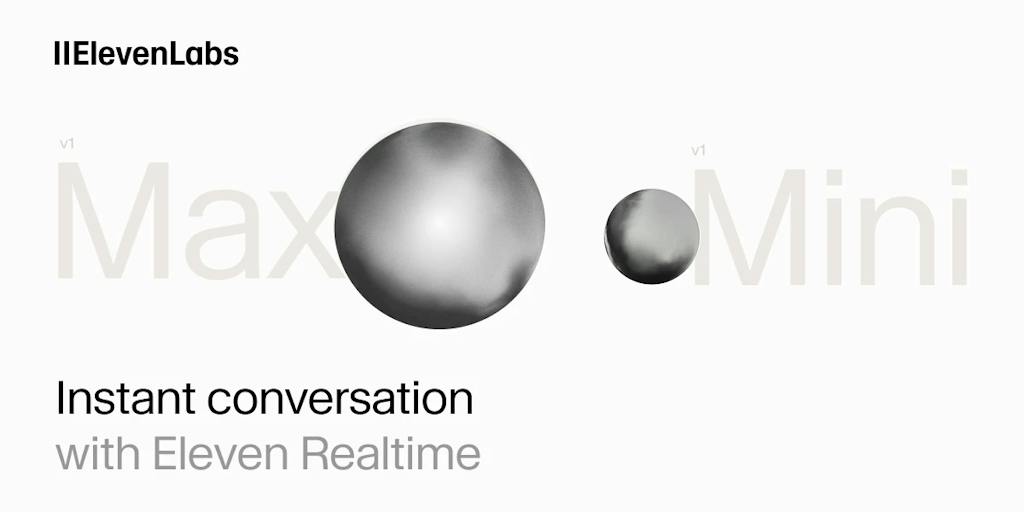
Two voice agent models: v1 Mini for low-cost everyday conversations and v1 Max for customer support and multi-step tool calling; supports 90+ languages and 17,000+ voices, delivers ~0.57-0.62s time-to-first-audio latency, and features a Realtime API compatible with the OpenAI protocol.
💡 Lumo’s take
When building voice customer service or voice assistant mini-products, migrate directly via OpenAI-compatible endpoints for lower costs and faster switching.
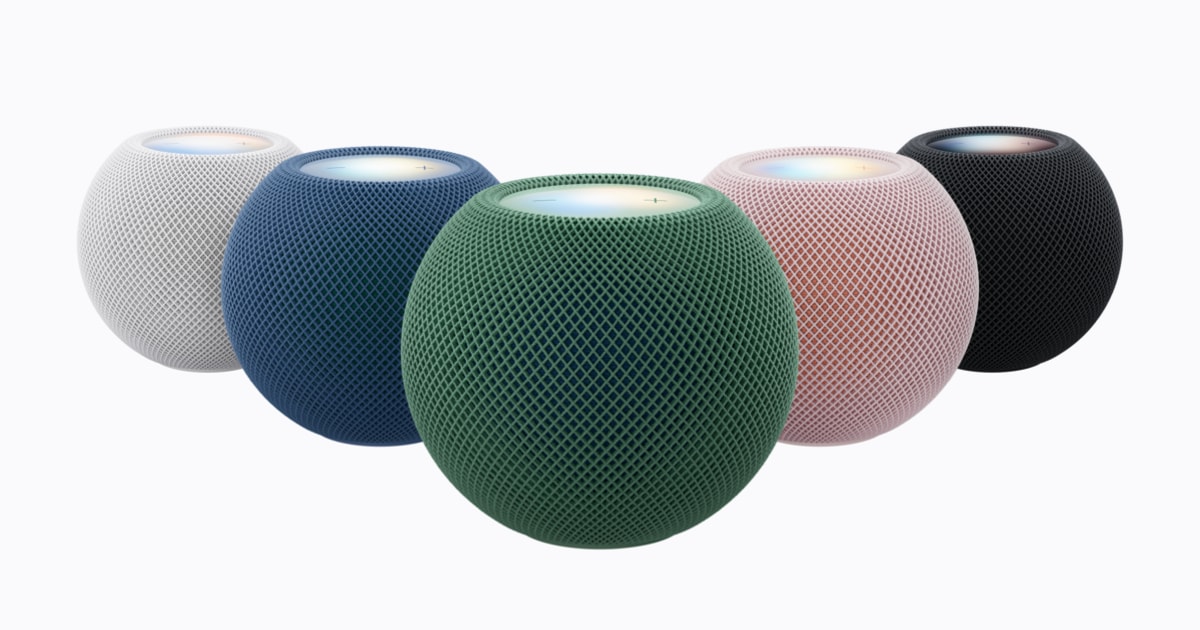
Apple's second-generation smart speaker officially went on sale on October 30: powered by the S10 chip, Wi-Fi 6E, and Sound Glow lighting that pulses with music, priced at 1,099 RMB in mainland China and available in five colors.
💡 Lumo’s take
When building smart home or cross-device mini-tools, take cues from its positioning: compact sphere + smart home hub + default Mac speaker, with four units pairing with the new Apple TV 4K for surround sound.