Huawei's Mate X8 launches as HarmonyOS passes 100M devices; Anthropic shares fall below IPO price
Today’s highlights
Huawei Mate X8 launches: 8.95mm folded, from ¥12,999, as HarmonyOS passes 100M devices
Anthropic shares fall below the $83 IPO price, closing down 6.5%
Baidu open-sources ERNIE 5.5 Flash Preview; Tencent open-sources Hy-MT3 in 102 languages
Ladybird browser ships its first alpha; DeepMind agent teams cut quantum algorithm costs 290x
OpenRouter: Chinese models lead usage for a 30th straight week; Finseo launches modules to get brands mentioned by AI
01Huawei Mate X8 launches: thinner foldable as HarmonyOS passes 100M devices
Image source: ifanr
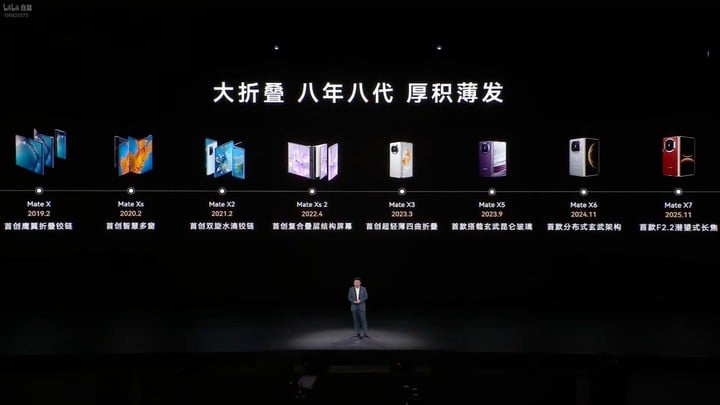
On the afternoon of November 24, Huawei held its annual launch event, unveiling the next-generation foldable Mate X8, the slim Mate 90 Air, the WATCH Air, and its first HarmonyOS folding laptop, the MateBook Fold S. The Mate X8 opens to an 8.2-inch inner display, measures 8.95mm folded, weighs 239g, and starts at ¥12,999, with pre-orders from 18:08 on November 24 and sales from December 4.
The crease was the headline: a first-of-its-kind magnetic flattening technology, pairing 0.1mm magnetic composite material with a three-segment high-strength steel support, improves inner-screen flatness by 90% over the previous generation, with peak-to-valley difference down to 15μm. All models run the Kirin 9050 Pro, with overall performance up 31%, a 6,200mAh battery, and HarmonyOS 7 pre-installed.
The MateBook Fold S brings the small-foldable form to computers: a 14.7-inch screen unfolded, about 10.2 inches folded, 6.49mm thick and 639g, with a small outer Live display for messages, starting at ¥14,999 and on sale November 27. Before the event, the HarmonyOS team announced that phones, tablets and computers running HarmonyOS 5, 6 and 7 have passed 100 million devices.
Foldable competition is shifting from specs to form factors: within a year Huawei has shipped a tri-fold, a wide slab phone and now a folding laptop, spreading the foldable idea from phones to all devices. One hundred million HarmonyOS devices means the app ecosystem is approaching a tipping point.
💡 Lumo’s take
Foldables are starting to feel like regular phones, and a folding laptop now fits in a small bag: form-factor innovation has become Huawei's most reliable differentiator. For builders, the other side matters more: once an OS passes 100 million devices, a window opens for small tools and apps around it, and the tooling gaps in the HarmonyOS ecosystem are worth watching more than the phones themselves.
02Anthropic shares fall below the $83 IPO price, closing down 6.5%
Image source: ITHome
Less than a week after listing, Anthropic shares fell below their $83 IPO price in premarket trading on November 24, touching an intraday low of $75.61 and closing at $81.91, down 6.5%, with market capitalization briefly dipping below $1 trillion. The stock had opened at $111.50 on debut day, 34% above the offer price; four days later all of that gain was gone.
One trigger was CEO Dario Amodei's share sale: a regulatory filing shows he sold 3.37 million shares at the offer price the day after listing, cashing out about $280 million. The company says the sale was a pre-arranged founder sell-down in the prospectus, but the market read it differently: on a day the Nasdaq jumped 6.5% on Nvidia's CEO reinstatement, Anthropic moved the other way.
The IPO raised $93.5 billion, the largest on record, ahead of SpaceX's $85.7 billion. Underwriters have already exercised the over-allotment option, removing that stabilizing tool. MSCI will add Anthropic to its global standard indexes after the close on November 30, and passive funds could buy up to 30% of the shares issued by year end.
The other side of the story is a split in valuation logic: Nvidia added about $952 billion in market value the same day, as money rotates from narrative to cash-generating compute assets. As the first frontier AI lab to go public, Anthropic's share price is being watched as a barometer for the whole sector.
💡 Lumo’s take
From a record debut to below the IPO price in four days: the honeymoon of the largest IPO in history was strikingly short. For builders, the real signal is not the share price but the split: the market is starting to price AI on cash flow rather than narrative, and that is the same test for every AI startup still living on its fundraising story.
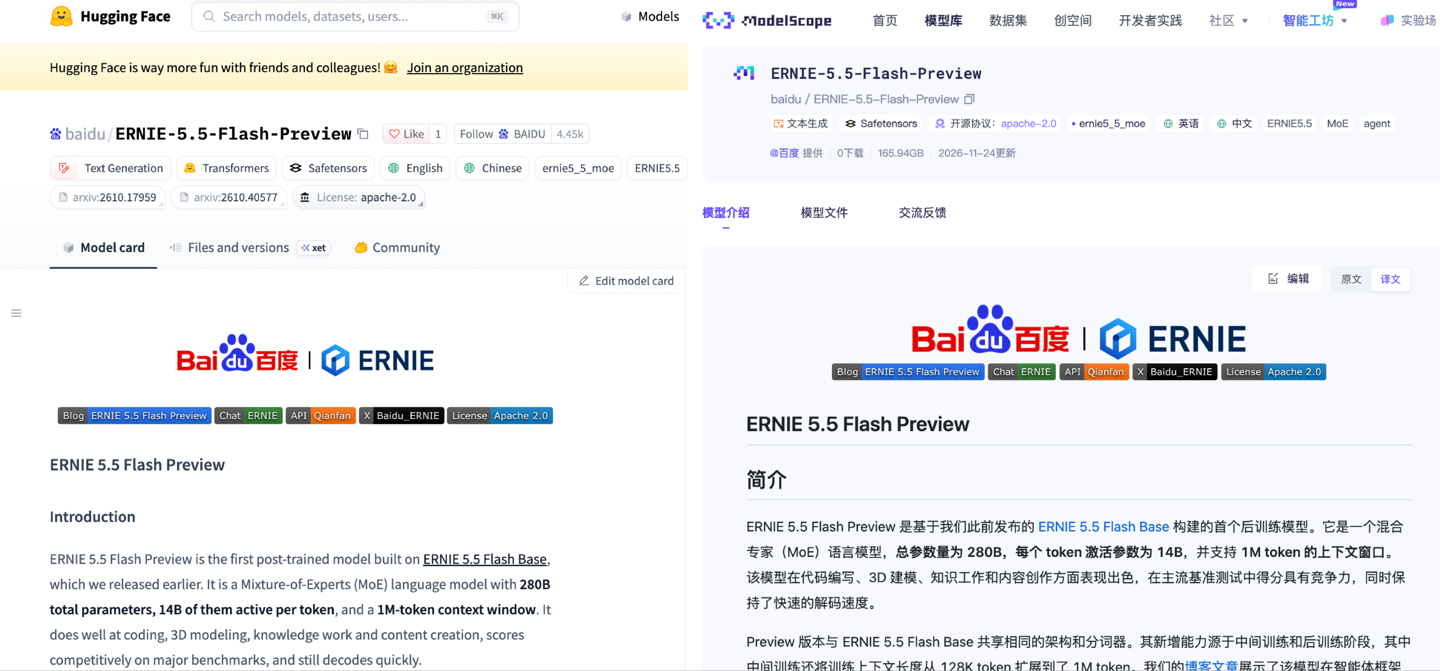
On November 24, Baidu announced that ERNIE 5.5 Flash Preview is officially open source under the Apache 2.0 license, with weights and supporting resources on Hugging Face and ModelScope, deployable locally and adaptable with mainstream inference frameworks such as vLLM and SGLang.
The model uses a mixture-of-experts architecture: 280 billion total parameters with 14 billion active per token, and up to 1 million tokens of context. Baidu positions it for coding, 3D modeling, knowledge work and content creation, with generation speed above 200 tokens per second.
Benchmark results are mixed. It scores 1,668 on the CodeArena WebDev leaderboard, second among open models and fourth among Chinese models; on AutomationBench it scores 61.9, ahead of Claude Opus 5.5 at 58.0; but on Terminal-Bench 4.0 its 46.5 trails Claude Opus 5.5's 63.6. All figures are vendor-reported.
The pace is notable: the base model went open source on November 5, the Preview reached Baidu's Qianfan platform on November 11, and the weights opened on November 24, completing the base-to-post-trained open chain in three weeks. Unlike the base model's custom license, this release uses Apache 2.0 directly.
💡 Lumo’s take
280 billion total parameters with only 14 billion active per token, a million-token context, and open weights: Baidu's combination is aimed squarely at large models you can run locally. For builders, the real value is not the benchmark scores but the fact that you can download it and test it yourself. Web development and long-document work are worth a trial run against your current picks.
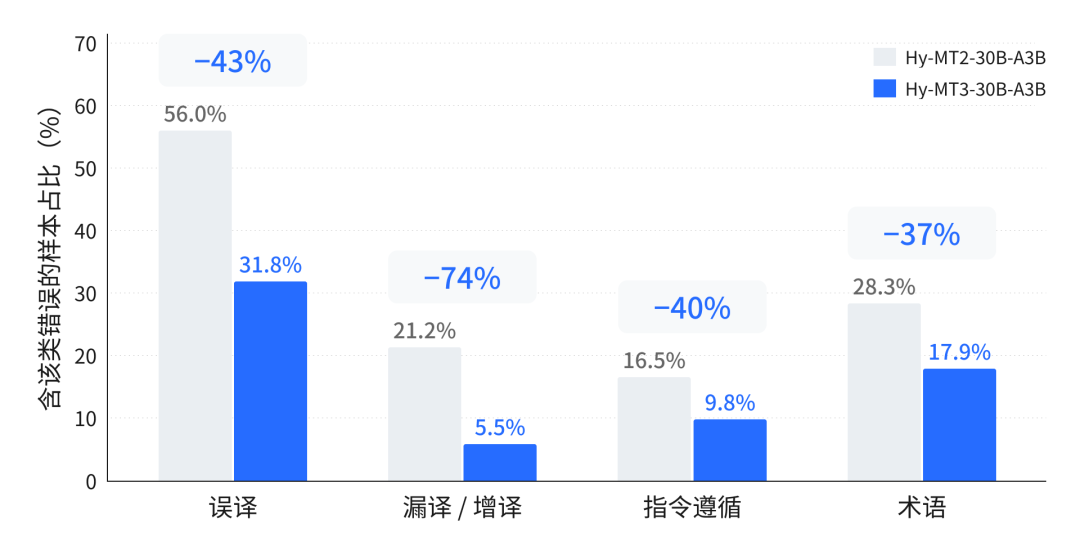
On the afternoon of November 24, Tencent released its third-generation translation model Hy-MT3 and open-sourced it the same day, in three sizes, 1.8B, 7B and 30B-A3B, under Apache 2.0. Weights are on Hugging Face and ModelScope, and the code is on GitHub.
Language coverage grows from 38 to 102 languages. Tencent says that on real-world data, mistranslations fall 43%, omissions and additions fall 74%, and instruction-following errors fall 40% versus Hy-MT2. The model is already live in Tencent's Hy Translate app and mini program.
Two scenarios got targeted work: game localization, where the Honor of Kings team also open-sourced a translation toolchain that slots the model into game development pipelines; and image translation, with better context understanding and error correction for OCR mistakes. A browser extension is out for Chrome and Edge, with one-click local model install and offline use.
One caution: the 43%, 74% and 40% figures all come from Tencent's own evaluation, with an asymmetry in thinking modes in key comparisons, and no third-party reproduction has appeared yet. The weights, license and language list check out; treat the scores with a discount.
💡 Lumo’s take
Someone has finally put together the full package in translation models: small size, fully open, and runnable on-device. A 1.8B model fits on phones and PCs, which means indie developers no longer need to call an expensive general model for multilingual features. A small specialist model can bring the cost down, so the translation step in any product going global is worth repricing.
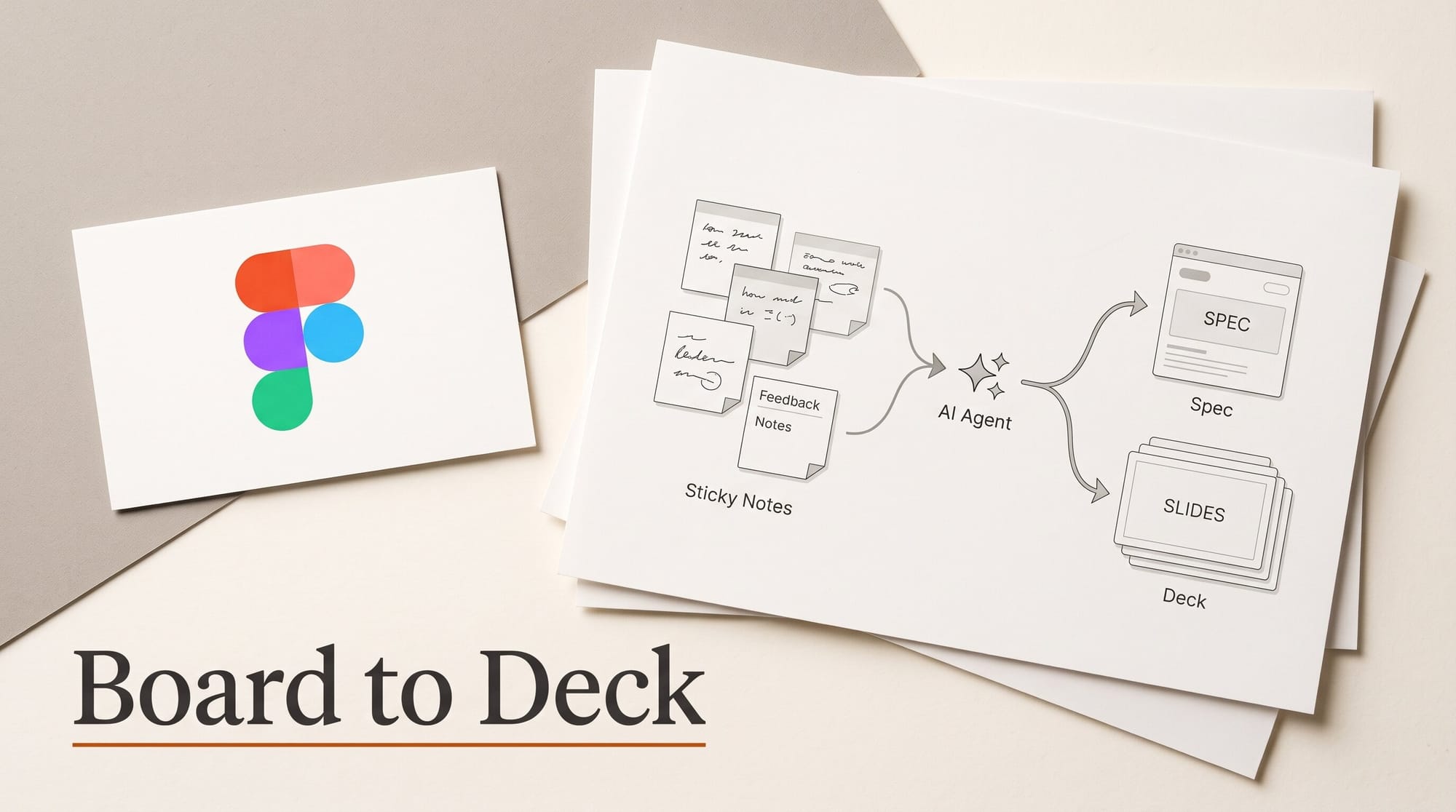
05Figma Agent arrives in FigJam and Slides: whiteboard to deck in one flow
Image source: Figma Blog
On November 23, Figma announced that its agent is now generally available in FigJam and Figma Slides on all paid plans. In FigJam it groups sticky notes into themes, builds journey maps and turns a board of feedback into a draft Spec. In Slides it turns a Spec or a script into an outline and then a first-pass deck.
The key change is context: the agent can pull in outside material through more than 20 official connectors, including Notion, Google Drive, Slack and Hex, and can take attached files, screenshots and tables. Figma's examples include preparing a design crit with churn data from Hex and customer feedback from Slack, or turning a spreadsheet screenshot into a bar chart.
Access is gated by seat and credits. The agent in FigJam and Slides is not on the free Starter plan. The cheapest Collab seat costs $3 a month with 500 AI credits; a Full seat is $16 a month with 3,000 credits. Credit use per task varies with complexity, and Figma publishes no per-task price.
The limits are stated plainly: charts are drawings, not data-linked, so they do not update when the spreadsheet changes; audio and video attachments are not supported; template matching is approximate, and complex charts still need a human check.
💡 Lumo’s take
Figma's agent is shifting from an assistant inside a design tool to an assistant across the whole collaboration flow: whiteboard, document and deck are now linked by one agent. For product teams, the whiteboard-to-deck chain is directly copyable. Many teams' post-meeting cleanup is missing exactly this link.
06Meta Muse launches in the UK with 14 local brand partners
Image source: Meta Newsroom
On November 24, Meta announced that Muse, its personal AI agent, is officially available in the UK for users aged 18 and over, on iOS, Android, muse.ai and WhatsApp, with Meta AI glasses to follow in the coming months. It is the next major expansion after the US launch in September.
The UK launch brings 14 local partners: Marks & Spencer, Debenhams, ASOS, Currys, Sainsbury's, Argos, Ocado, Trainline, easyJet, Jet2 and more. Muse can book, compare prices and chase refunds, checking out through Stripe's Onelink wallet or Shop Pay, and asks for confirmation before important actions.
Meta says every Muse gets its own virtual computer in the cloud, where user data and logins live, separate from Meta's advertising systems, and users can ask it to remember or forget things at any time. Muse has been downloaded more than 10 million times in the US, though Reuters reported last week that staff had raised concerns internally about undesired actions by the agent.
Notably, OpenAI's personal agent Dots has not reached the UK yet, so Meta has the first-mover slot. Five UK banks have already blocked AI agents from accessing customer accounts, so payments remain the biggest hurdle for personal agents landing in the real world.
💡 Lumo’s take
Personal assistants are moving from chatting to getting things done, and the first errand is shopping: whoever connects local merchants first gets real transaction scenarios first. The UK's list of 14 brands is effectively a trust list for letting an agent spend money for you. For anyone building agents, that list is worth more study than the feature list.
07DeepMind's Gemini 4 agent teams cut quantum algorithm costs by up to 290x
Image source: Google DeepMind Blog
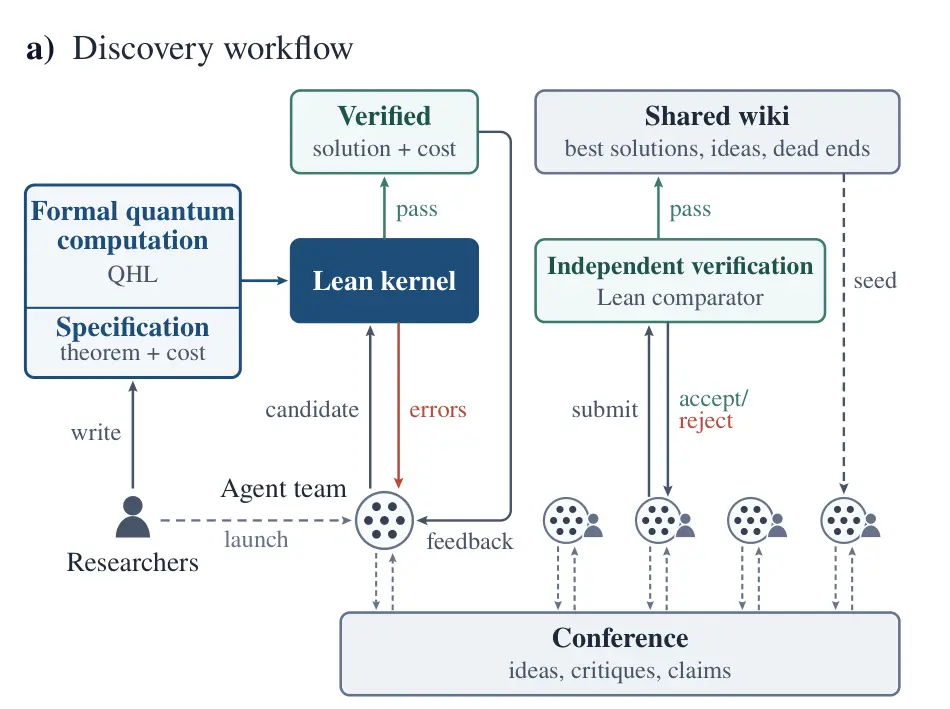
On November 23, Google DeepMind published a blog post: teams of Gemini 4 agents, backed by Lean 4 formal verification, improved several well-known quantum algorithms, cutting the cost of an arcsin computation by 290 times and speeding up Grover search by 2.57 times.
Three closer-to-application simulations improved too: fusion simulation costs fell about 11 times, with required error-corrected qubits down from 5,650 to 4,338; photochemistry simulation got 8 times cheaper; and a cytochrome P450 simulation relevant to drug metabolism got 2.5 times cheaper, with memory down from 481 to 333 qubits.
The method matters more than the numbers. Seven agent teams worked in parallel and met every four hours at a virtual conference to debate ideas, with results shared on a wiki. Every result had to pass a mathematical proof in the Lean theorem prover before it counted; wrong ideas were rejected by the prover. The team also open-sourced its Lean quantum algorithms library on GitHub.
One sober note: these are estimates of logical resource cost, not runs on real quantum hardware. The baselines were constructed by the authors from published work, and most of the 290-fold saving came from circuit optimizations that classical methods could also check. The paper has been on arXiv since November 6; this is DeepMind's formal blog publication.
💡 Lumo’s take
Agent teams holding conferences with a theorem prover as referee is a research pattern worth copying: ideas can run wild, but only proven ones count. As AI starts producing maths and science at scale, the scarce resource is no longer ideas but referees like Lean that can check work automatically. The same pattern ports directly to code, contracts and data analysis.
08Ladybird browser ships its first alpha: a from-scratch engine you can download
Image source: Ladybird Blog
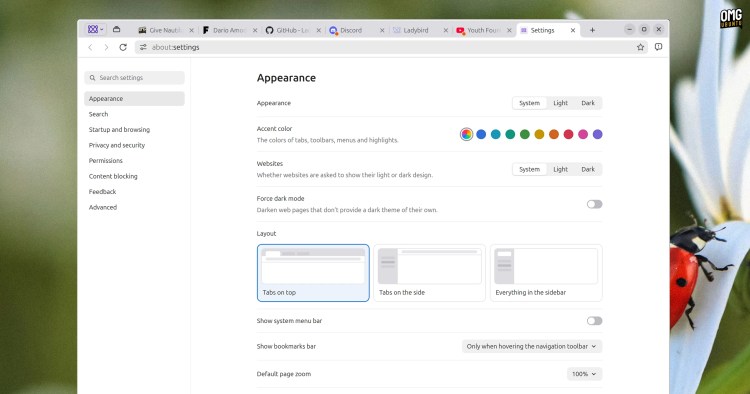
On November 23, the independent browser Ladybird released its first alpha, so macOS and Linux users can finally download and try it without building from source. The Hacker News thread passed 1,600 points within a day.
What makes Ladybird special is the engine: HTML parsing, CSS, layout, JavaScript and even WebAssembly are all implemented from scratch, not based on Chromium, WebKit or Gecko. The project began as an HTML viewer inside SerenityOS about seven years ago, and is now gradually migrating its C++ code to Rust, partly with the help of AI coding tools.
The alpha is billed as modest but functional: tabs, bookmarks, history and downloads work, with WebDriver automated testing and the Firefox DevTools protocol supported. Some sites will not render and it will crash sometimes; the team makes no security promises and is actively inviting security researchers to hack it.
The roadmap calls for a beta in 2027 and a stable release in 2028. The project is run by the US non-profit Ladybird Browser Initiative, funded by donations and sponsorships from Proton, Cloudflare and Ghostty author Mitchell Hashimoto, among others.
💡 Lumo’s take
Seven years to write a browser engine from scratch sounds almost stubborn in 2026, and that is exactly why it is worth remembering. With every browser sharing the same Chromium core, Ladybird keeps a backup of an internet not defined by a single company. Developers can already test their own sites in it: one more engine means one more mirror.
09Chat-tuned GPT-6.2 Sol reaches ChatGPT; GPT-5.6 retires December 23
Image source: Digital Trends
On November 23, OpenAI began rolling a chat-tuned version of GPT-6.2 Sol into ChatGPT's everyday Chat tab for paying users across Plus, Pro, Business and Enterprise. GPT-6.2, released on November 17, had previously been available only in Work and Codex.
According to OpenAI's release notes, the chat version of Sol is better at complex instructions, reading photos and searching the web: image understanding rose from 47.4% on GPT-6 to 71.7%, and instruction following on hard prompts rose from 62.5% to 78.1%. It can also offer to watch for a price drop when comparing deals.
OpenAI also set a retirement date the same day: GPT-5.6 Sol leaves Chat, Work and Codex on December 23, and GPT-5.6 Terra leaves Work and Codex the same day. Free and Go users are not part of this rollout and stay on GPT-6 Luna.
Model iteration is visibly accelerating: only six days passed between the Work and Codex debut and the everyday chat rollout, and a major version's full lifecycle in paying users' hands is now measured in weeks.
💡 Lumo’s take
New models land in professional modes first and reach everyday chat second; OpenAI's staged rollout has become a fixed rhythm. The date that matters most to users is December 23: anyone still on GPT-5.6 has a month to check whether the new model handles their daily tasks. Do not wait until retirement day to switch.
10OpenAI and Cisco open-source Shirudo: temporary shields for unpatched Linux
Image source: Shirudo official site
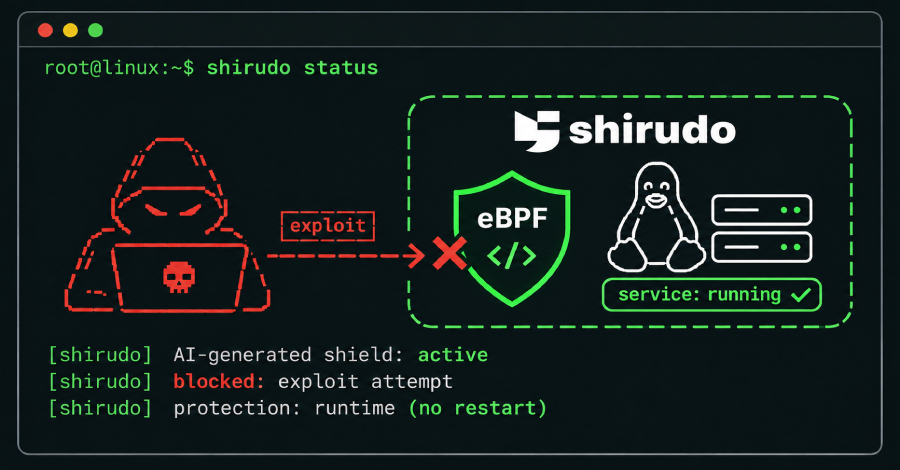
On November 24, OpenAI and Cisco jointly open-sourced Shirudo (Japanese for shield), a tool that lets AI agents generate temporary protections for unpatched Linux systems, under the BSD 2-Clause license.
It works through eBPF: agents scan open-source code and vendor disclosures, trace a vulnerability to the affected assets and attack paths, and write a small targeted shield that blocks the vulnerable code path without restarting the service, while letting legitimate requests through. Every shield needs a human operator's approval before deployment, and TPM hardware records shields being loaded or removed.
In a controlled test, a Codex-generated shield blocked a Java4Shell exploit attempt against a running Elasticsearch service without interrupting it. The project is a rewrite of Cisco Isovalent's Tetragon, and shields ship as cryptographically signed .bee packages through an OCI registry.
There is pushback too: security researchers warn that letting AI agents write rules that can touch the kernel carries its own risk, and Shirudo only supports Linux for now, since macOS and Windows lack the required components.
💡 Lumo’s take
Vulnerabilities are now found faster than they can be patched, and Shirudo's answer is to block first and fix properly later. For ops and security teams, the division of labor is worth copying: the agent writes the defense and a human approves the deployment. AI stays in the advisory seat while the execution switch stays with a person.
11OpenRouter: Chinese models lead API usage for a 30th straight week, DeepSeek on top
Image source: Yicai
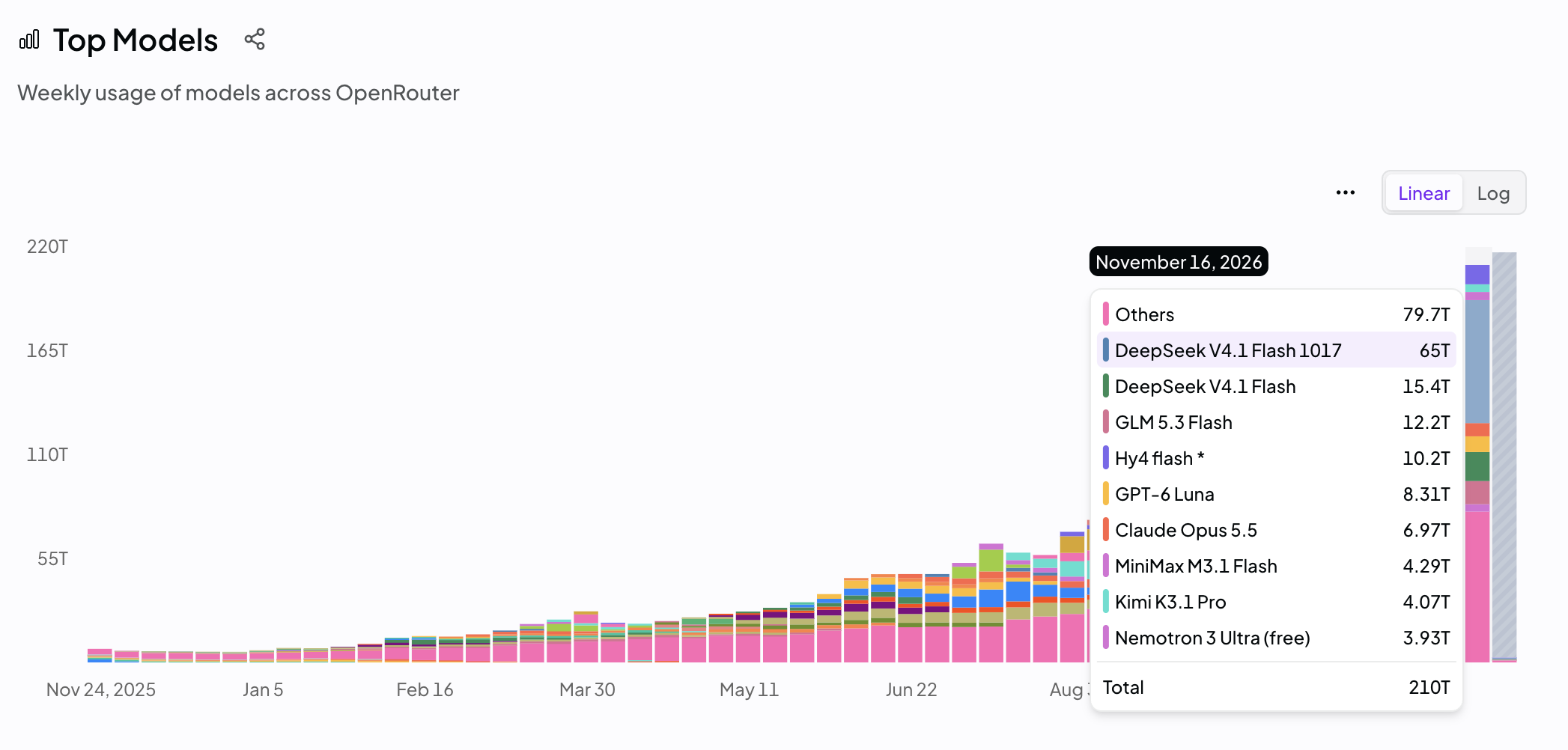
OpenRouter's latest weekly data, published November 24 and covering November 16-22, shows global model usage of 210 trillion tokens, up 8.25% week over week. Chinese models took six of the top nine spots with a combined 111.16 trillion tokens, leading US models for the 30th consecutive week.
DeepSeek still leads: V4.1 Flash 1017 processed about 65.1 trillion tokens in the week, its fifth straight week at number one; V4.1 Flash follows with 15.4 trillion; Zhipu's GLM 5.3 Flash is third at 12.2 trillion; and Tencent's Hy4 Flash, launched November 16, is fourth at 10.2 trillion. US models totaled 19.21 trillion, up 29.53%.
New faces are climbing too: MiniMax's M3.1 Flash, released in October, grew more than 461% week over week to 4.29 trillion tokens, ranking seventh; on the monthly chart, Kimi K3.1 Pro's token volume grew more than 999%, ranking eighth.
But volume and revenue diverge: in software implementation, the highest-spending task category, Claude Opus 5.5 takes 22% of model spend while Kimi K3.1 Pro takes only 10.1%. Leading in calls has not yet translated proportionally into revenue share on high-value tasks. Note also that OpenRouter only counts traffic routed through its own platform, not global totals.
💡 Lumo’s take
Thirty straight weeks at number one leaves no doubt about Chinese models being used the most. The real second half is about being used where the money is. For builders, the way to read this ranking is backwards: do not just look at who has the most volume, look at who earns in high-value tasks. That is the real signal for picking a model.
12Claude merges connectors and skills into plugins: 10,000+ plugins, free tier included
Image source: Fathom News
On November 23, Anthropic announced that Claude's connectors and skills are now one thing: plugins. A single plugin can connect external tools, teach Claude a new skill, or do both. The three previously separate tabs for skills, connectors and plugins merge into one Plugins page.
The new directory lists more than 10,000 plugins to browse. Public plugins carry Verified or Community labels, and users can filter by skills or connectors and browse by topic. Anything already installed stays in place under Your plugins.
The biggest change is reach: plugins are live now on the Free plan as well as Pro, Max and Ultra. Team plans get the unified experience gradually from November 30, with Enterprise to follow. The help center previously listed plugins as paid-only, so the Free plan is the new part.
Two details deserve attention. Removing a plugin that bundles a connector does not disconnect that connector; it must be disconnected separately. And from November 30, organizations that have Skills switched off will also lose plugins in the Claude desktop app. Anthropic opened the plugin submission portal on September 25; November 23 is when the unified experience reached users.
💡 Lumo’s take
Chat assistants are turning into app stores: whoever has the bigger, more findable plugin catalog keeps users inside their ecosystem. For developers, Claude's 10,000-plus plugins are a new distribution channel. A skill that solves one concrete problem can now reach free users directly, which was not possible before.
13Finseo launches Company Brain and Outreach to get brands mentioned by AI
Image source: Finseo official site
On November 24, Finseo, a German AI visibility platform, launched two new modules on Product Hunt: Company Brain and Outreach, pitched as getting your brand mentioned by AI. The company says it is bootstrapped and profitable with seven-figure annual revenue, serving more than 500 companies including Kellogg's, Lidl and Panasonic.
Company Brain pulls a brand's website, docs, Google Drive, Notion, Search Console and GA4 data into one knowledge map, so the agent's answers cite sources. Outreach finds the third-party pages AI answers usually cite, such as reviews, rankings and comparison articles, identifies where the brand is missing and who wrote those pages, and drafts outreach emails in the brand's voice, with human approval before sending.
The logic behind it: AI answers mostly cite third-party pages rather than brand sites, so the fastest way to be mentioned is to appear on pages AI already trusts. Finseo says it tracks 22 AI engines across 40-plus countries and languages, running prompts daily to monitor mentions, citations and sentiment.
Pricing starts at $39 per agent per month. Note that the seven-figure revenue and 500-plus customer counts are company claims. This Product Hunt launch covers the new modules; Finseo itself first launched in March 2025.
💡 Lumo’s take
The next stop after SEO is GEO: the fight used to be over search rankings, and now it is over a name inside an AI answer. For content and product teams, Finseo's playbook is directly copyable: first check how AI describes you and whom it cites, then fix the cited pages. That beats publishing blindly.
14A dog translator hits #4 on Product Hunt: it claims to turn barks into English
Image source: Product Hunt
On November 23, an app called Dog Translator SuperTranslator reached #4 on Product Hunt's daily leaderboard with 219 upvotes and 30 comments. Its pitch: use AI to translate a dog's barks, posture and expressions into English.
The developers say a five-person team spent 11 years combining behavioral science, AI and mathematics into a canine signal taxonomy and a multi-dimensional dictionary. The app reads seven behavioral signals, posture, tail, ears, mouth, tongue, vocalization and facial expression, and checks each reading against more than 25 peer-reviewed studies of dog behavior. All analysis runs on-device; videos never leave the phone.
The app is free to download on the App Store, with live translation behind a subscription. The company says cats are next, then more species, on the way to a universal animal translation platform. As for accuracy, the official line is the most accurate dog translator to date, but that comes from the company's own benchmarks.
For completeness: there is also a parody page under the same name claiming that no matter what a dog does, the translation is always I want food, at 99.7% accuracy. Both products share one truth: what a dog is actually thinking still has no answer key.
💡 Lumo’s take
Seriously, translating animal communication is a legitimate research direction. The funny part is that its first Product Hunt chart run came on the promise that dogs can finally speak English. As for whether your dog's bark means I'm hungry or open the door, the answer probably matters more than the translation. Open the door first.
"AI answer visibility checkup": find out how AI chatbots describe your brand.
What it is: a one-off checkup for brands and indie stores: run 50-100 realistic buying prompts through ChatGPT, Claude, Perplexity, Kimi and DeepSeek, and record how each one introduces your brand, which pages it cites, and where it gets prices or features wrong. The deliverable is a report with mention rate, a cited-sources list, a factual-errors list, and the 10 pages most worth fixing.
Who pays: export brands, indie stores and small SaaS teams that are invisible or misdescribed in AI answers without knowing why. Finseo has already shown this demand can reach seven-figure revenue. Charge per checkup, $199-499, with quarterly re-checks as a subscription.
Why now: more buyers ask AI before they ever see a search results page, and most brands have no idea what they look like through AI's eyes. Finseo launching new modules today shows the category is heating up, while the Chinese-language market and small customers are still largely unserved.
Minimum MVP: a prompt batch-runner plus a report template. Route a fixed prompt set through OpenRouter's multi-model API, capture brand mentions, cited links and factual claims, verify them by hand, and deliver a PDF report. No SaaS dashboard needed at first; deliver via Notion or a shared doc.
First validation step: run free checkups for 10 tools already listed on Lumo, and publish the 3 most wrong AI descriptions as articles. Once one before-and-after case shows a fixed page changing the AI answer within two weeks, start charging a $199 intro price and take orders in indie-developer and export-seller communities.