Google Releases Gemini 4 Carbon: Second Flagship in Two Weeks Tops Intelligence Index
01Google Gemini 4 Carbon
Image source: Independent Press
Google's second flagship in two weeks: ranks first on Intelligence Index v5 (score of 59), achieves SOTA across all three cybersecurity benchmarks, and is priced at $2/$10 per million tokens. Currently available only to security testers, not yet open to general users.
💡 Lumo’s take
Its strength lies in secure code and vulnerability discovery—small tools for automated code security reviews are shifting from toys to necessities.
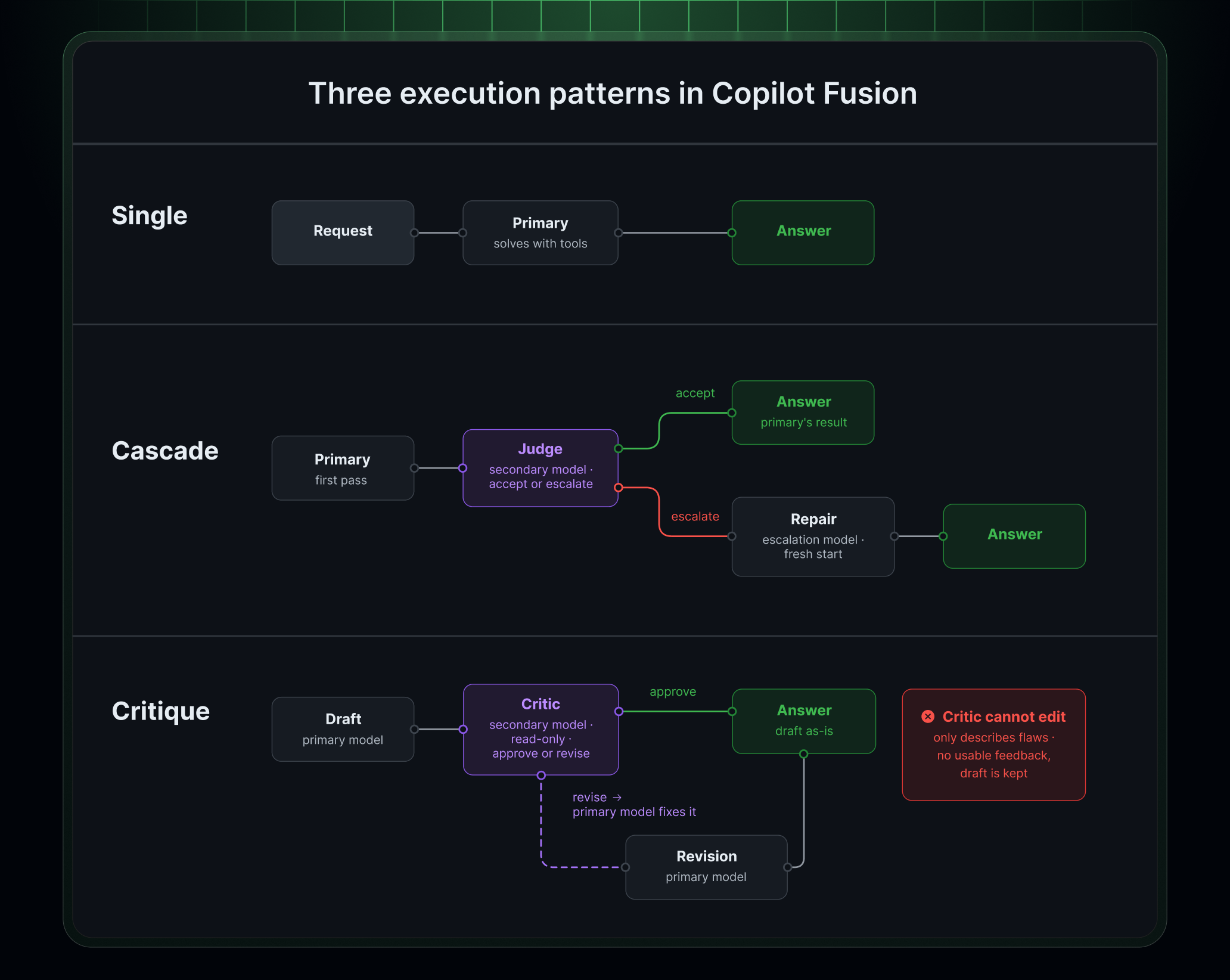
No more manually picking models: select Fusion + an effort tier (Standard/High/Max) in the model picker, and it automatically routes, escalates, or has one model check another's errors. Official figures show results close to Opus 5.5 Max at half the cost, with a limited-time 30% discount on paid plans.
💡 Lumo’s take
Fusion's core selling point is "helping developers save money on models"—building a cost dashboard or routing layer around AI coding is a small niche indie developers can tap into.
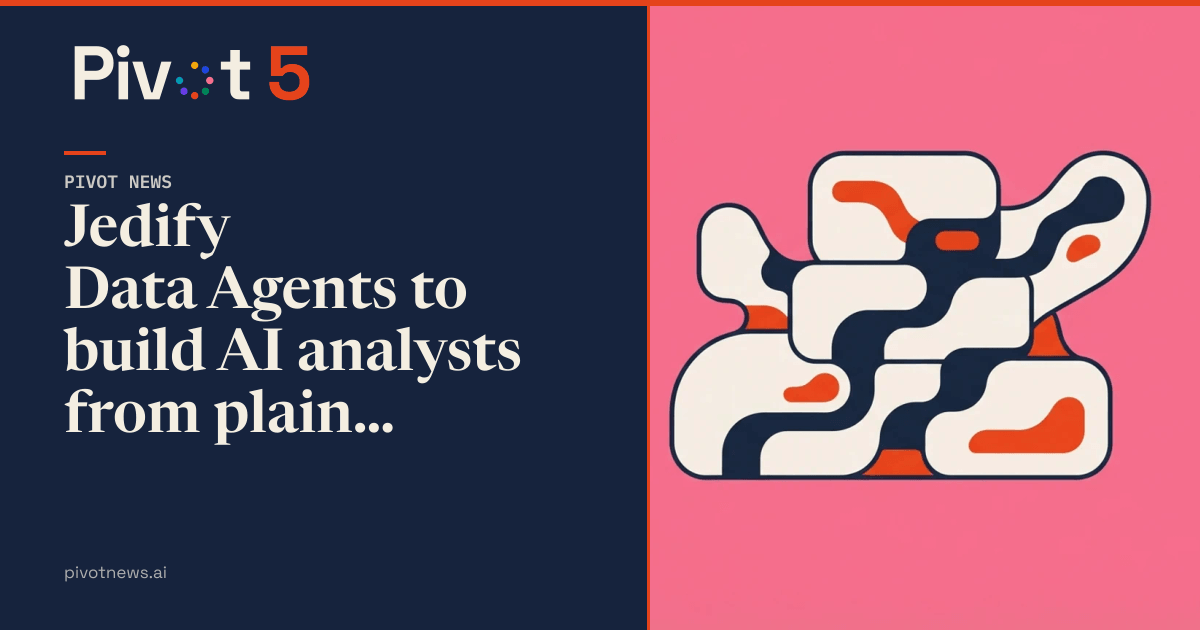
Train an AI data analyst using natural language: capable of independently conducting multi-step deep research, identifying root causes of anomalies, and running scenario simulations, with explainable and auditable conclusions. The official website offers a free entry point to get started without booking a sales call first.
💡 Lumo’s take
The sequence of "building business context first, then running the agent" is critical. When building similar small tools, your moat isn't the model, but that layer of metrics and definition graphs.
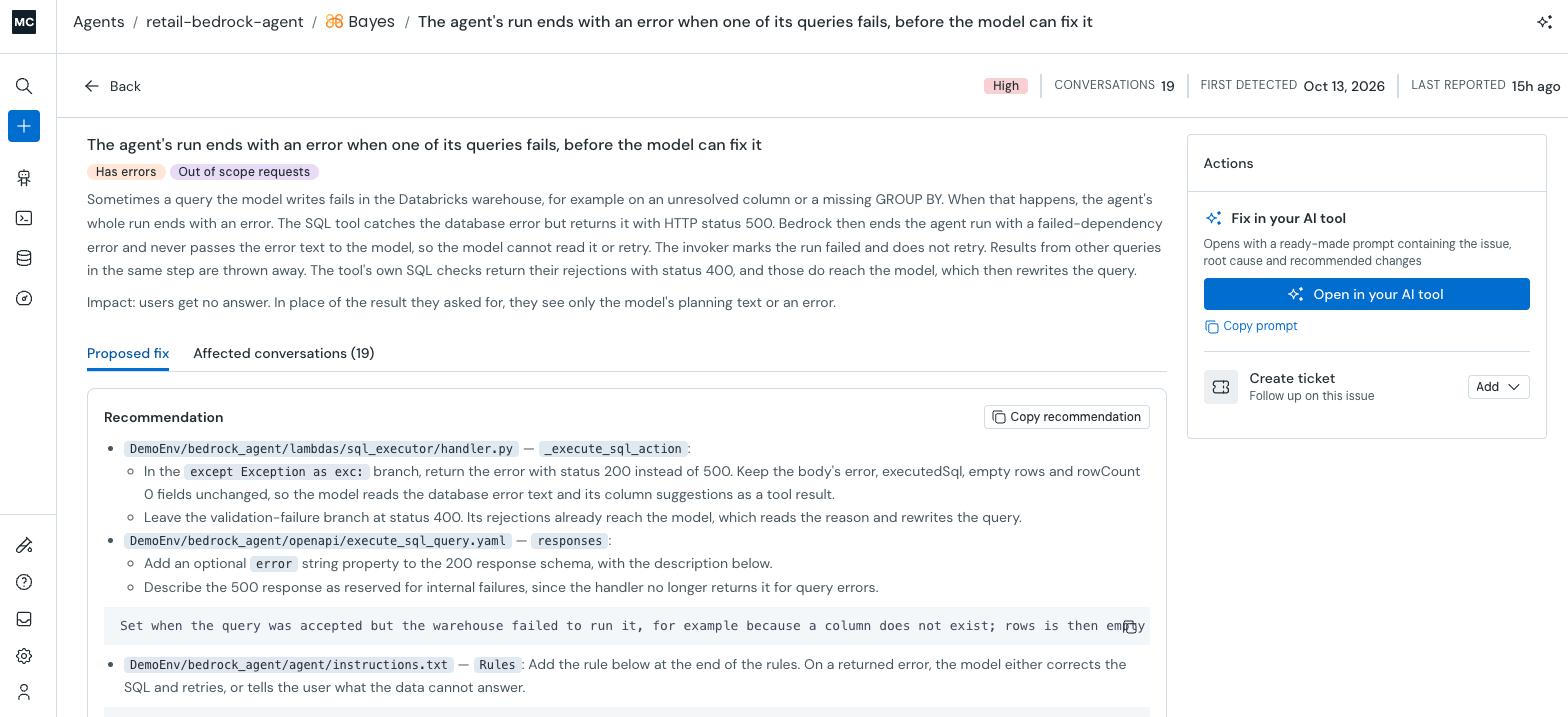
An "agent that watches other agents": automatically discovers your deployed agents, determines whether an issue is caused by the agent or the data, fixes it itself, and verifies the fix. Early customers report detecting 200% more incidents with 80% fewer false positives. Currently open only to Monte Carlo platform customers.
💡 Lumo’s take
The operations and quality-inspection layer for agents is an untapped market, and it is naturally suited for people with a data background.
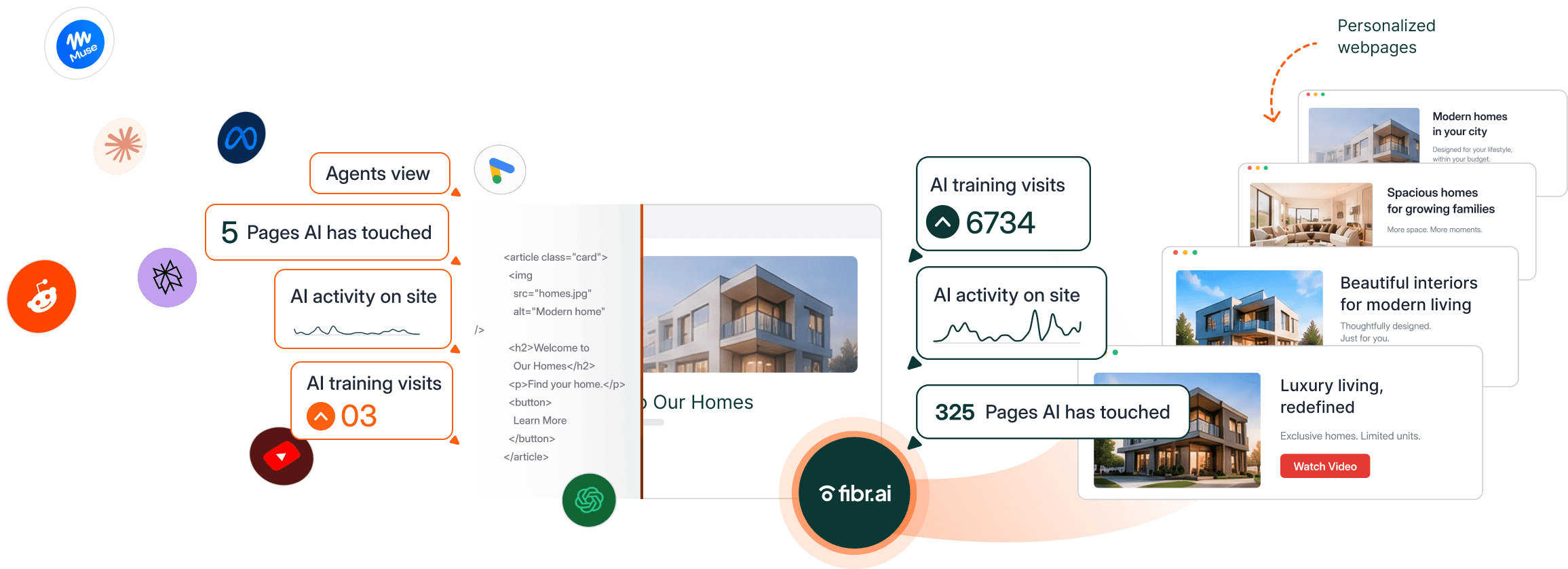
Helps websites with "Agent Experience Optimization": enables AI platforms to accurately introduce your brand and allows agents to complete tasks directly on your site. The official website has a free tool where pasting a URL shows "what your website looks like to an AI agent."
💡 Lumo’s take
Directory sites can get a head start: alongside the human-readable page for each listing, prepare a structured version for agents to read.
Image source: Today's AI Daily Digest (Communeify)
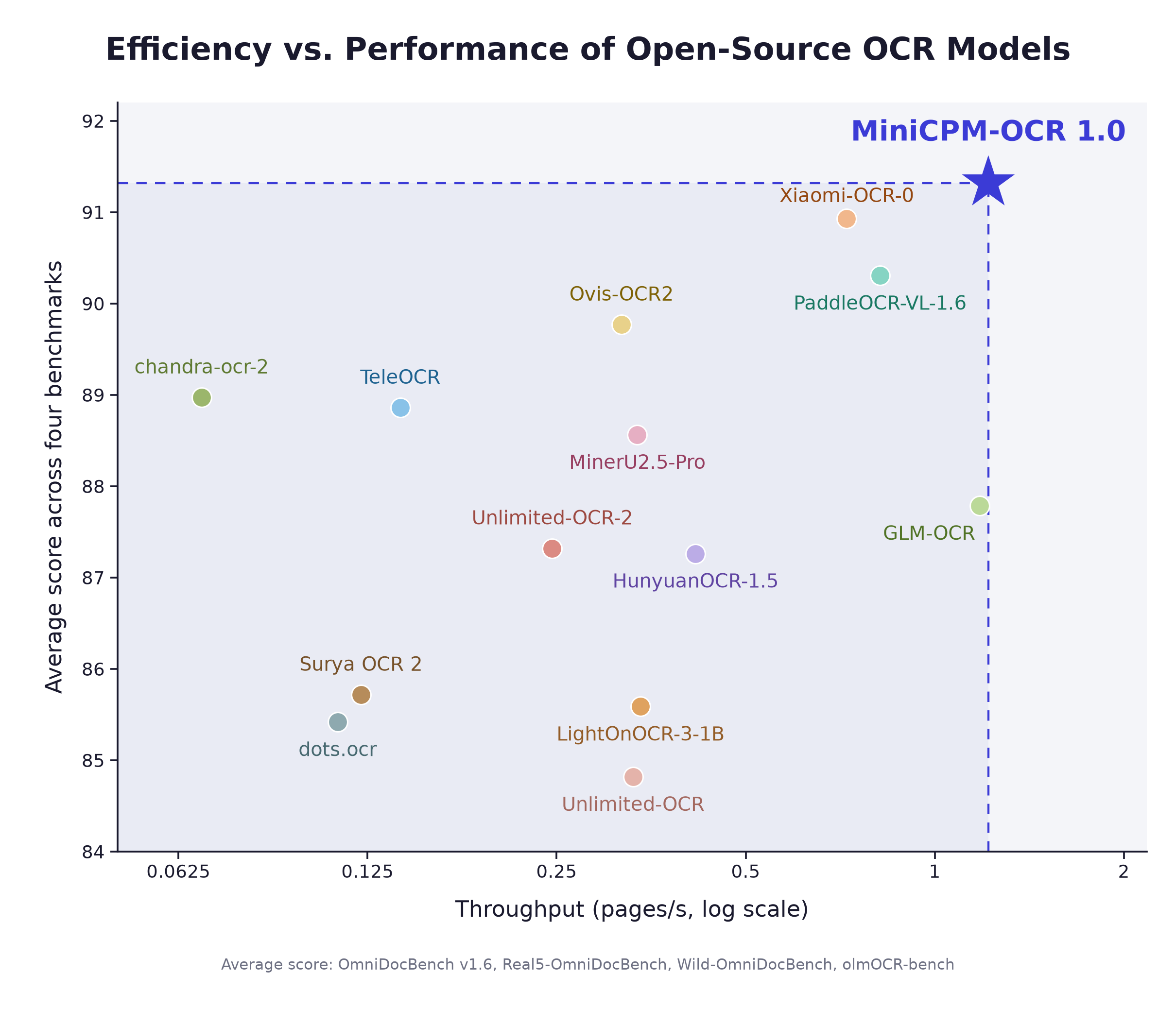
OpenBMB's 1.3B document parsing model: scores 93.68 on Real5-OmniDocBench at 1.2 pages/sec, capable of handling Chinese and English documents, tables, formulas, and stamps, with day-one support for vLLM and Ollama. An online demo is available on Hugging Face.
💡 Lumo’s take
Taking document parsing for a single vertical (such as logistics bills or invoices) to a high level is enough to support a standalone small product.
Combine Jedify and Bayes for a small experiment: build an "on-duty mini-agent" for one of your own data or directory site metrics—have it check on a schedule, explain possible causes in natural language when anomalies occur, and start with alerts only rather than automated fixes. You can build a prototype in half a day, and both Jedify and Bayes prove that people are willing to pay for this.