GPT-6.2 ships, Nvidia posts a $115.8B quarter; Microsoft fires six models in one day as the AI race turns into a price war
Today’s highlights
OpenAI ships GPT-6.2 Astra and Sol, flagship API 20% cheaper, second on the independent index
Nvidia Q3 revenue doubles to $115.8B as Vera Rubin contributes nearly $20B in its first quarter
Microsoft launches six MAI models at Ignite; Code 2 claims 98% of the performance at 40% of the price
Anthropic IPO set to price above $80 at a $1.5–$1.6T valuation, trading tomorrow
Google makes Gemini Tasks free; Qwen Office opens up to 10 models including Kimi, GLM and DeepSeek
01OpenAI ships GPT-6.2 Astra and Sol, flagship 20% cheaper yet still second
Image source: OpenAI official blog
On November 17, OpenAI released GPT-6.2 Astra and GPT-6.2 Sol. Astra is the flagship for the hardest professional work; Sol is the efficient everyday model. Both are available now to Plus, Pro, Enterprise and Edu users in ChatGPT Work and Codex, and on the API as gpt-6.2-astra and gpt-6.2-sol. This rollout does not add either model to regular Chat, and Free and Go users are not included.
Price is the headline: Astra costs $8 per million input tokens and $40 for output, 20% cheaper than its predecessor, with cached input 60% cheaper; Sol holds at $2 and $10. OpenAI says Astra scores 5.2 points above GPT-6 Astra on Agents' Last Exam at less than a third of the cost, and more than doubles Claude Fable 5.2's pass rate on the Harvey LAB-AA legal benchmark at about one-sixth the cost; Sol trails Astra by just 0.5 points on FrontierCode 2.0 at about one-fifth of the cost.
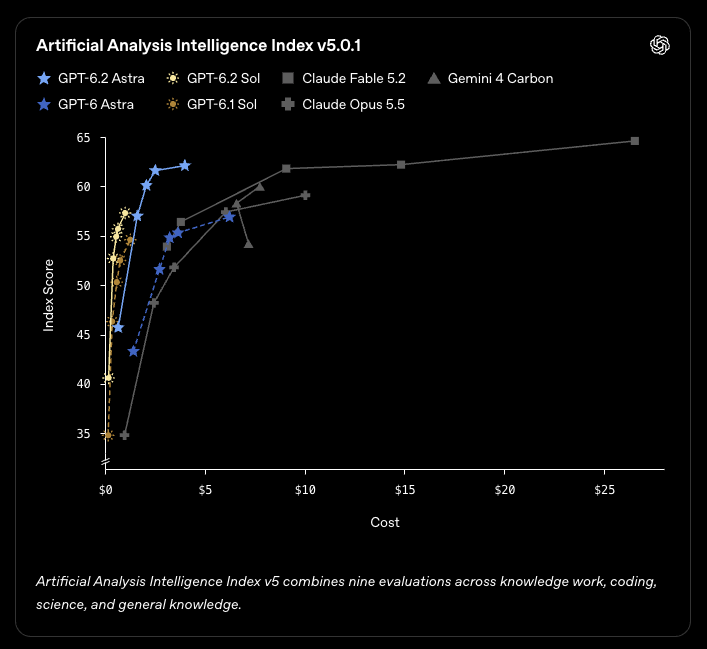
Independent tester Artificial Analysis ranks Astra second on its Intelligence Index at 62.1, behind Claude Fable 5.2 at 65, with Sol at 57.3. On safety, Astra is OpenAI's first externally released model rated High for AI self-improvement, and both models meet the Critical threshold for cybersecurity, so OpenAI has tightened restrictions on higher-risk cybersecurity assistance and is steering those capabilities toward its Daybreak defence product.
GPT-6.1 Astra was pulled two months ago over safety concerns; this time it returns with stronger guardrails. A cheaper flagship and a lightweight model closing in on it means the token cost of the same task is falling across the board.
💡 Lumo’s take
The deciding factor in the model race is shifting from who is smarter to who is cheaper: Sol's pitch — one-fifth the cost, half a point behind — is the most practical option for people building small products. Run everyday agent work on Sol first, and the saved cost turns straight into margin.
02Nvidia Q3 revenue doubles to $115.8B as Vera Rubin begins shipping
Image source: NVIDIA financial results
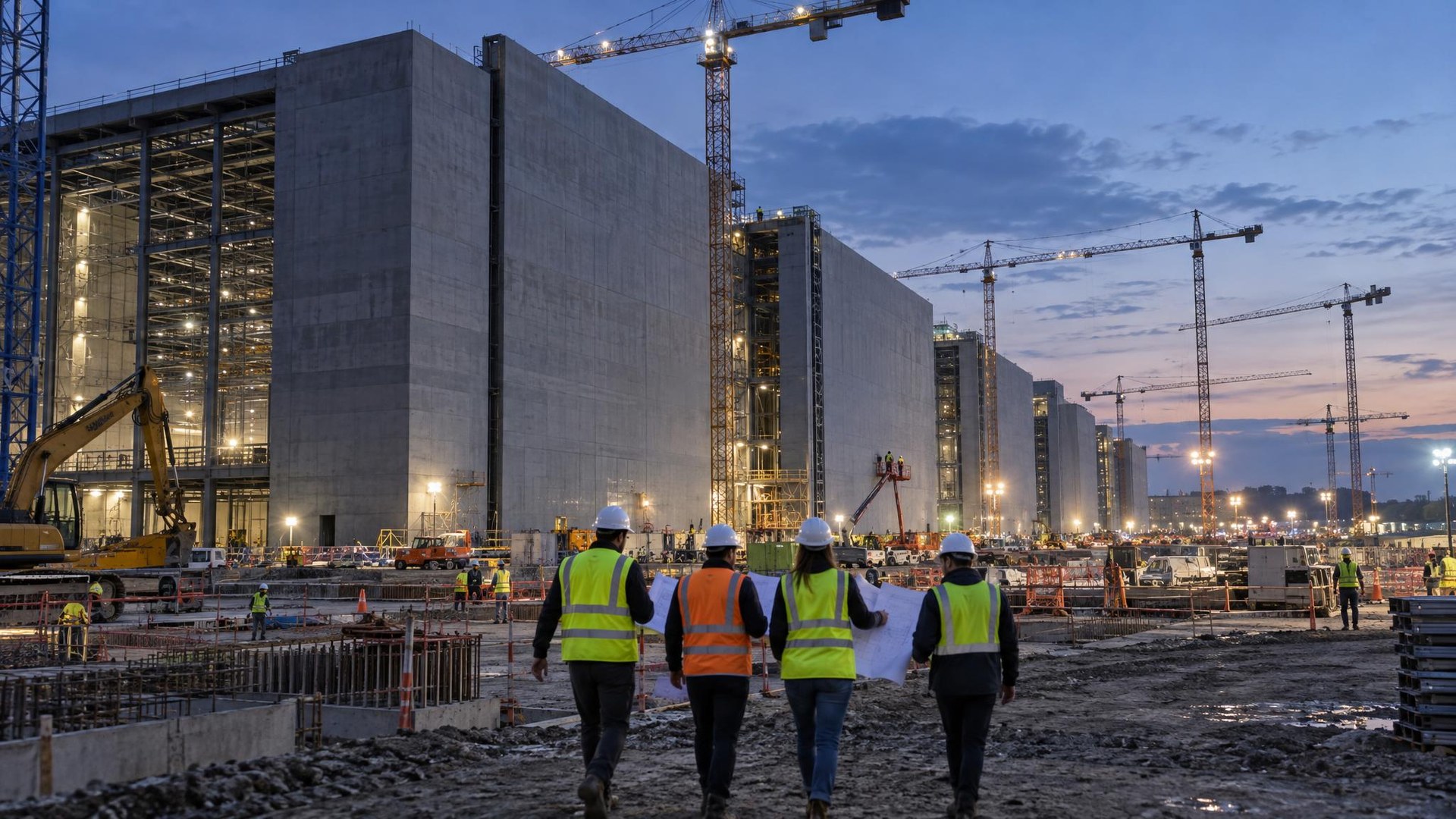
After the bell on November 17, Nvidia reported fiscal Q3 2027 results: revenue of $115.8B, up 103% year over year and 20% sequentially, above Wall Street's $109.1B estimate; Data Center revenue of $107.6B, up 110% and about 93% of total sales; net income of $65.3B, up 105%; adjusted EPS of $2.68 versus $2.48 expected.
It is the first report since founder Jensen Huang resigned as CEO, with interim CEO and former CFO Colette Kress leading the call. The release confirms Vera Rubin NVL72 has begun shipping, contributing nearly $20B in its first production quarter — the fastest product ramp in company history — with racks running at CoreWeave, Google Cloud, Microsoft Azure, Oracle Cloud and Nebius, and Vera Rubin A5X instances generally available on Google Cloud.
Guidance also beat: Q4 revenue of $130B (±3%, including an extra week), above the $125.1B consensus, with fiscal 2028 growth raised from 70% to 75%. But gross margin guidance fell to 71%–72% from 74.8%, the outlook assumes zero Data Center compute revenue from China, and shares rose only about 3% after hours. The board has said it will not bring Huang back.
The same day Nvidia also unveiled a Nemotron package for scientific research, combining the Nemotron 3.5 Super VL open model, open chemistry datasets and post-training recipes to accelerate discovery with agents.
💡 Lumo’s take
The AI infrastructure bill keeps growing, and it is turning from futures into stock: Rubin sold nearly $20B in its first production quarter, so the supply inflection for inference compute is here. People building AI apps can start planning around compute getting cheaper, not around waiting in line for cards.
03Microsoft launches six MAI models at Ignite; Code 2 claims 98% of the performance at 40% of the price
Image source: Microsoft official blog
Also on November 17, Microsoft launched six home-grown MAI models at Ignite in San Francisco, spanning coding, cybersecurity, image generation and voice: MAI Code 2, Code 2 Flash, Cyber 2 Flash, Image 2.7, Transcribe 2 and Realtime 1 — all pitched as near-frontier performance at a fraction of the price.
The headliner is coding model MAI Code 2: Microsoft says it delivers 98% of GPT-6.1 Sol's performance at 40% of the price, and 96% of Claude Opus 5.5's performance at 5% of the cost. It is live in GitHub Copilot (model picker and Copilot Fusion) and in Foundry. Smaller Code 2 Flash reportedly beat GPT-6.1 Sol in AT&T testing at one-fiftieth of the cost. Cybersecurity model Cyber 2 Flash reportedly beats GPT-6 Astra on vulnerability discovery at under 2% of the cost per task, and starts replacing older models for eligible MDASH customers in mid-December.
The numbers need discounting: Microsoft picked the benchmarks and test conditions, the cost math uses a 50% promotional discount, and Code 2 and Code 2 Flash prices double after May 17, 2027; there is no independent verification yet. Image model MAI Image 2.7 leads the image-editing ranking at 1,215 points, at about $0.035 per image.
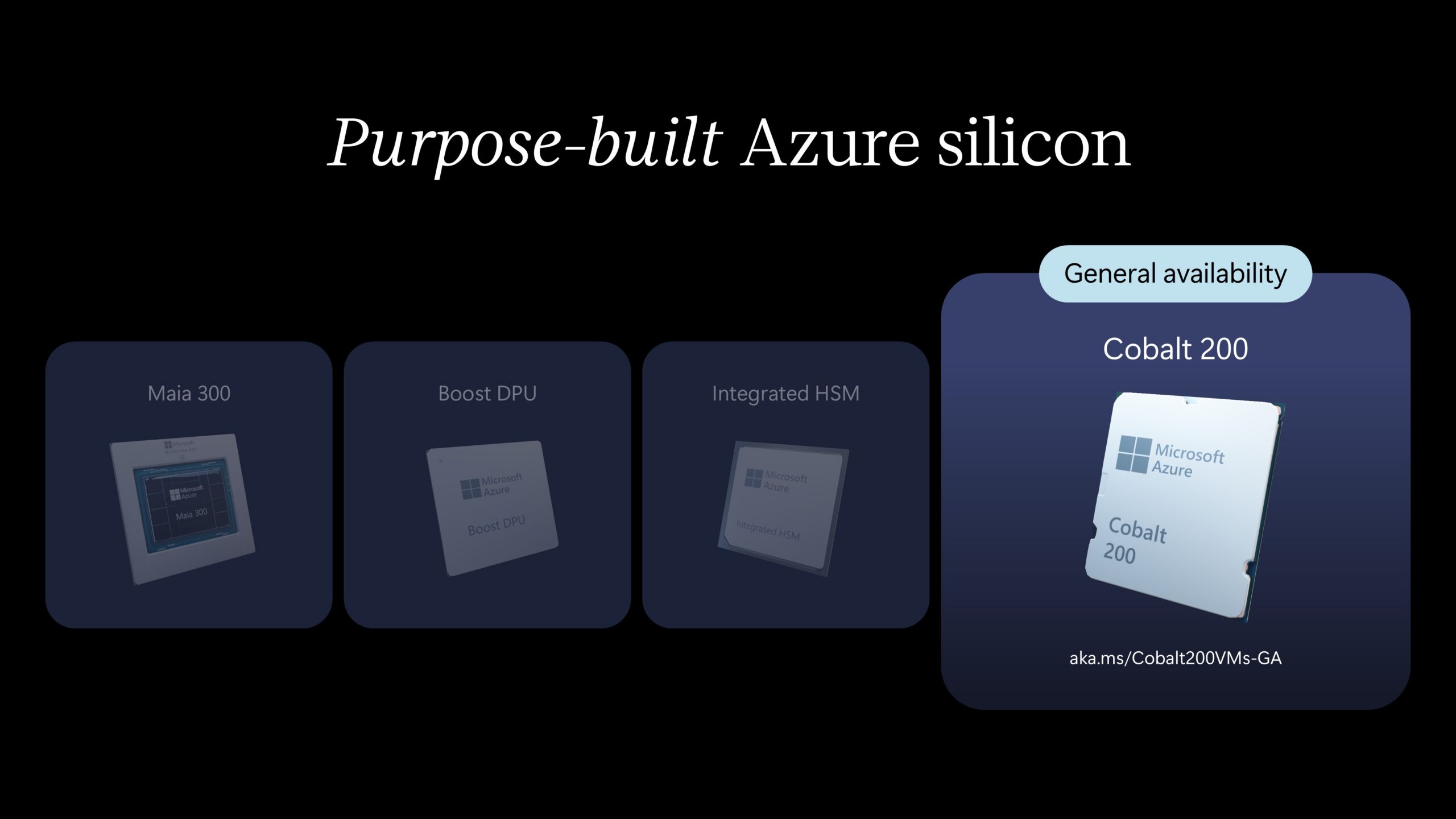
Microsoft also announced MAI Licensed Weights (trusted customers can access model weights through Frontier Co.), its Maia 300 chip (claimed 40% more tokens per watt than leading GPU systems), and that Agent 365 already has over 50 million agents on board.
💡 Lumo’s take
Microsoft's play has changed: no longer just OpenAI's biggest customer, it is now chasing enterprise orders with home-grown smaller models that are good enough and far cheaper. For developers, Copilot has a cheap new option worth testing side by side — but don't take the official '98% of the performance' as a measured result yet.
04Anthropic IPO set to price above $80 at a $1.5 trillion valuation, trading tomorrow
Image source: New York Post
Anthropic is likely to price its IPO above $80 a share, exceeding its filed $70–$78 range, for a valuation of about $1.5–$1.6 trillion, CNBC and The Wall Street Journal reported on November 17. Final pricing is expected today, November 18, with trading starting November 19 on the Nasdaq under the ticker ANT.
Demand is the reason: the order book closed at 4 p.m. ET on November 17, with orders reportedly near seven times the shares on offer, including several orders above $10B; Altimeter's Brad Gerstner said his fund asked for $5B worth. At the $78 top of the range the offering would raise $90.4B; a higher price raises that further.
The prospectus shows revenue of $33.24B for the nine months through September 30, up roughly 1,200% year over year, driven mainly by coding tool Claude Code; the net loss over the same period was $104B, which the company attributes largely to accounting adjustments. Up to 20% of the shares are reserved for retail investors.
It is the first time an AI lab has gone public at a trillion-dollar valuation: the company behind Claude turns from a research institution into a listed company, and its model roadmap, revenue and losses will now face quarterly public scrutiny.
💡 Lumo’s take
An AI company debuting at a $1.5 trillion valuation shows how highly the market prices the coding-agent category. For independent developers the signal runs the other way: if Claude Code can support tens of billions in revenue, there is still room for vertical tools built around coding agents.
05Google makes Gemini Tasks free in six countries as personal agents go from paid to free
Image source: Google official blog
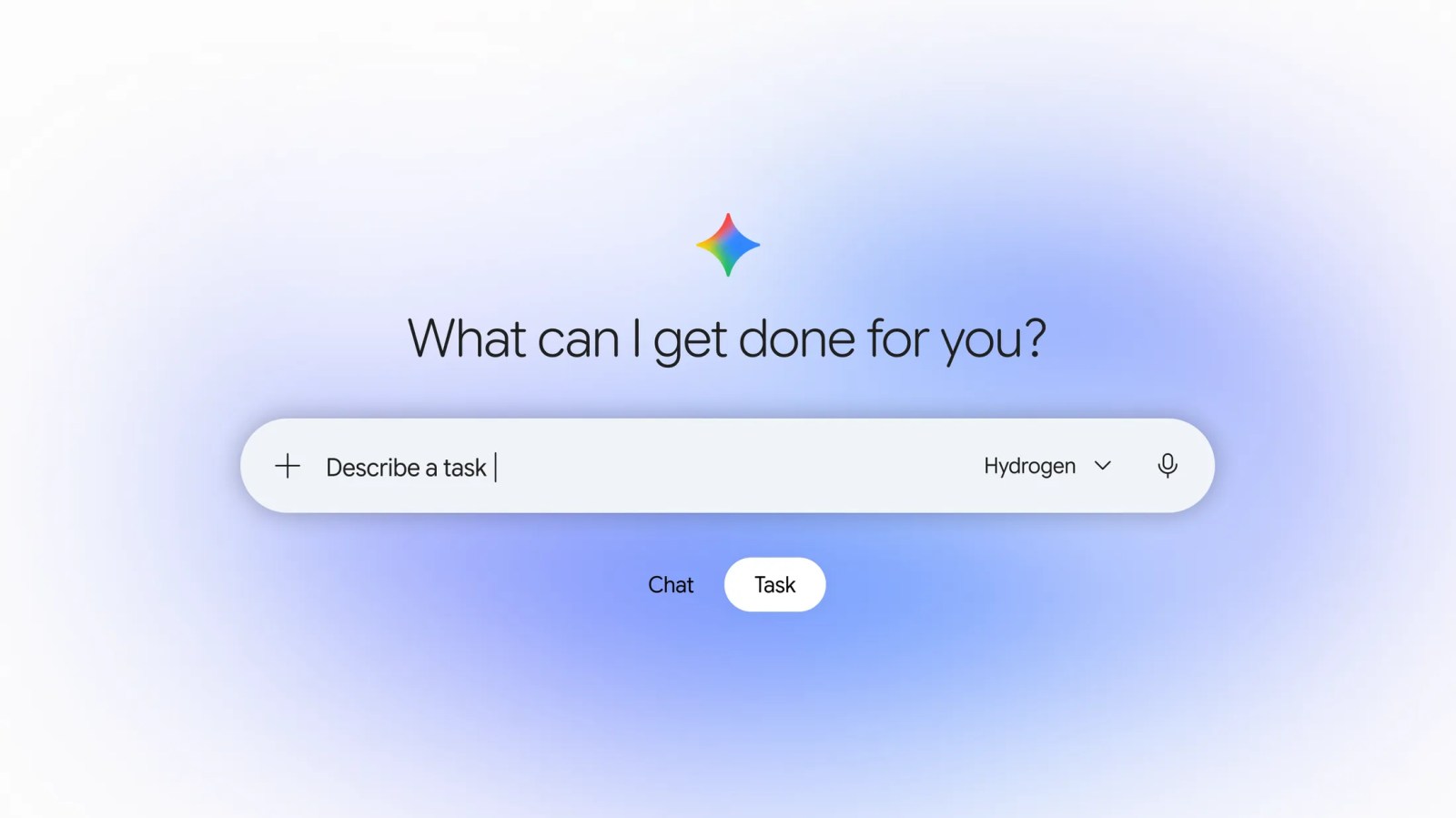
On November 17, Google made Tasks in Gemini — its personal agent feature, formerly called Spark — free: users in the US, Japan, Korea, Canada, Australia and India can now flip the home-screen toggle from Chat to Tasks and hand multi-step jobs to Gemini, powered by the new Gemini 4 Hydrogen model. The capability previously required a Google AI Pro or Ultra subscription.
It can call businesses to compare prices, check stock and book appointments; dig through email for duplicate charges and billing problems; check out with Google Pay; and send texts and emails. Google's own examples: a user hit with a surprise $389 electric bill had Gemini trace it to a heat pump kicking on during peak pricing; another time it compared USB-C chargers, checked out, and found a $10 discount code.
On safety, Gemini runs tasks in a hardware-isolated virtual machine, pauses for confirmation before purchases, and lets users set a spending cap; payments use tokenised Mastercard and Visa cards, with receipts landing in Google Wallet (which expanded to iOS the same day). US users also get calls, Google Pay purchases and texting first; Google also began converting personal Gems into slash-invoked Skills, and scheduled actions no longer need a paid plan.
Note: the free tier needs a personal Google account, users aged 18 or over, and Gemini history turned on; China is not among the first six countries, and the EEA, UK, Switzerland and Nigeria are also excluded for now.
💡 Lumo’s take
The personal-agent race has entered its free phase: Google is handing hundreds of millions of free users an errand-running capability that used to need a paid subscription, betting that your email, calendar and payment cards already live at Google. Teams building personal assistants will have to find differentiation in the scenarios Google cannot reach.
06US tightens chip-export rules: five countries need licences, remote compute above 12M TPP too
Image source: The Register
The US Commerce Department's Bureau of Industry and Security filed an interim final rule on November 16 that closes the biggest compute-control loophole of the past two years: advanced AI chips shipped to Singapore, Malaysia, Indonesia, Thailand and Brazil will now need a licence, and any data centre offering companies from China and other embargoed countries more than 12 million TPP of total processing performance — roughly 750 H100-class chips — will need one too. The rule takes effect on Federal Register publication, scheduled for November 19, with a 90-day transition for existing data centres.
The backdrop is re-export and remote rental: with top-end chips unavailable to buy, Chinese companies have been renting the same compute from data centres in Southeast Asia. The construction boom in Malaysia and Thailand is widely seen as catering to those offshore customers. The rule also formally rescinds the AI Diffusion Rule, removing country tiers and related licence exceptions.
The same day, the Commerce and Justice Departments confirmed a criminal investigation into Megaspeed, an Nvidia-linked cloud provider with data centres in Malaysia suspected of serving mostly offshore customers. Counterpoint's Neil Shah says the rule shifts the compliance burden from chipmakers to cloud operators — a short-term compute bottleneck for Chinese tech giants and a long-term catalyst for full-stack domestic alternatives.
Notable carve-outs: compute used only for e-commerce and social recommender systems is exempt, and US-headquartered buyers in the five countries can skip the licence by filing monthly reports.
💡 Lumo’s take
Export control has moved for the first time from selling chips to renting compute: from now on it is not just who has the cards, but whose data centre passes compliance. For AI founders in China, the other side of this news is that the window for home-grown compute alternatives has opened a little wider.
07AMD closes World Labs acquisition; Fei-Fei Li becomes EVP and Chief Scientist
Image source: AMD Newsroom
AMD confirmed on November 17 that it has completed its acquisition of World Labs: the world-model company co-founded by Fei-Fei Li is now part of AMD, with Li taking the roles of Executive Vice President and Chief Scientist. The deal issued roughly 15 million AMD shares to World Labs shareholders. The acquisition was a headline when first announced; it has now formally closed.
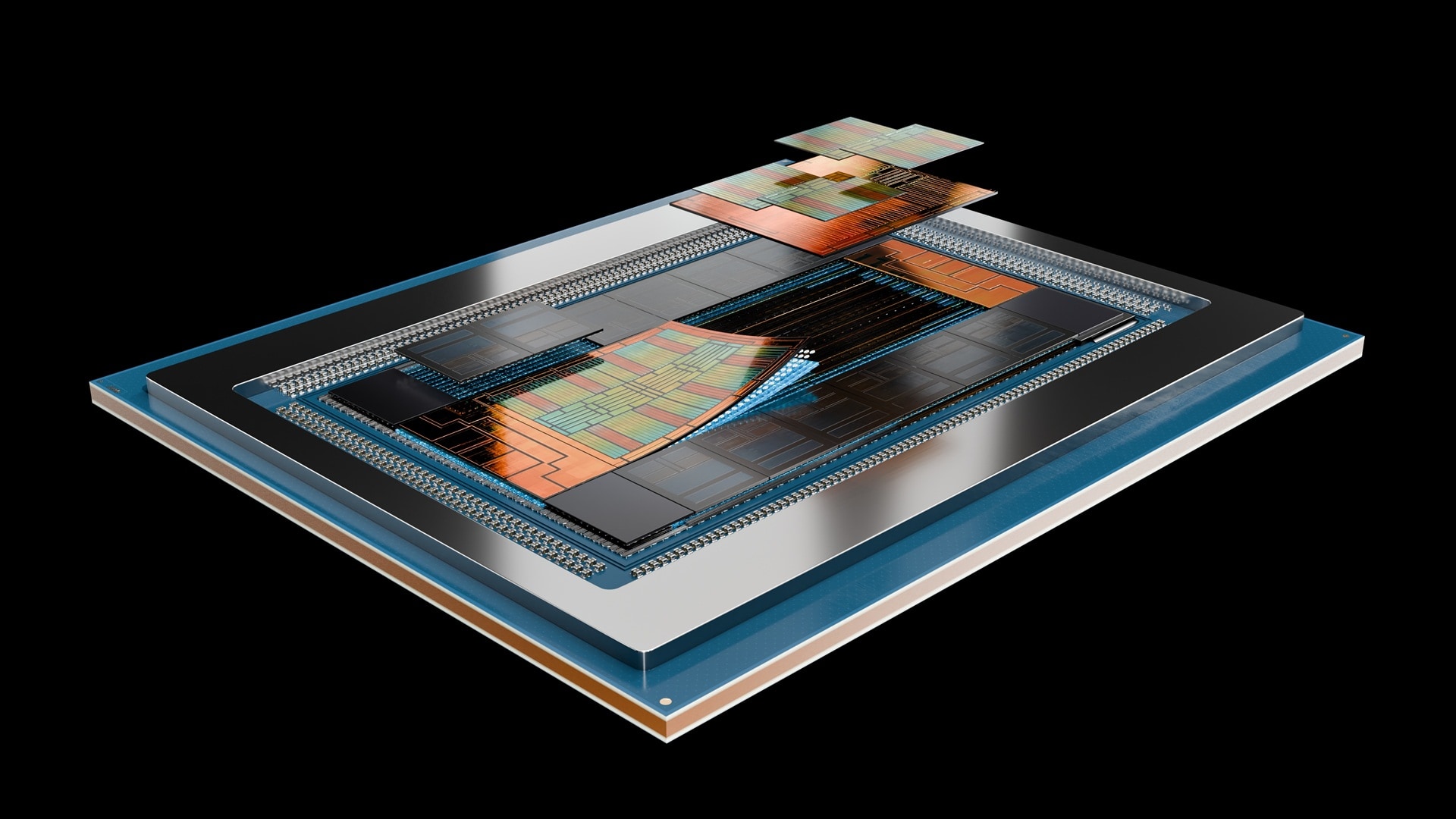
In the same week AMD expanded its MI400 line: the MI430X for scientific computing (432GB of HBM4, up to 23.3TB/s of bandwidth, native FP64 double precision) and the cheaper MI450X (288GB of HBM4, otherwise identical to the MI455X). AMD says the MI455X on its Helios rack hits 21,333 tokens per second per GPU on DeepSeek-R1, about 30% above Nvidia Vera Rubin's latest published MLPerf offline result — but that is AMD's own lab testing measured against Nvidia's published figures, not a head-to-head run.
Two more AMD moves: the Lux supercomputer built with Oak Ridge National Laboratory and HPE is now open to scientific users (EPYC plus MI355X), and AMD expanded its strategic partnership with PsiQuantum, pairing its GPUs, CPUs and ROCm software with PsiQuantum's silicon-photonics quantum platform.
AMD's logic is clear: World Labs fills the world-model gap, joining MI400 compute and Helios racks into a stack aimed squarely at Nvidia. Its Q4 revenue guidance of about $17B (±3%) is the next hurdle.
💡 Lumo’s take
On the same day as Nvidia's earnings, AMD answered with a completed acquisition plus three chips: Fei-Fei Li's arrival gives AMD a world-model team of its own for the first time. For developers, the real question for the MI400 line is whether the ROCm ecosystem can keep up — the fastest card is useless if workloads cannot run on it.
08Isomorphic Labs raises $5B, the largest biotech venture round ever
Image source: TechCrunch
On November 17, Isomorphic Labs — the AI drug-discovery company spun out of Google DeepMind — announced a $5B Series C, co-led by Greenoaks and Sequoia Capital, with Andreessen Horowitz joining as a new investor and Alphabet, Thrive, MGX, Temasek and other existing backers all returning. It is the largest venture round in biotech history, passing Altos Labs' $3B from 2022; with May's $2.1B Series B, the company has raised $7.1B this year and about $7.7B in external funding in total.
The use of funds is explicit: keep building IsoDDE, its proprietary drug-design engine — a suite of simulation models spanning therapeutic areas and drug modalities — and build AI-led translational and clinical-development capacity to move drug candidates into human trials. The company reports positive preclinical results in oncology and immunology, and partnerships with Eli Lilly, Novartis and Johnson & Johnson continue, but no candidate has entered the clinic yet.
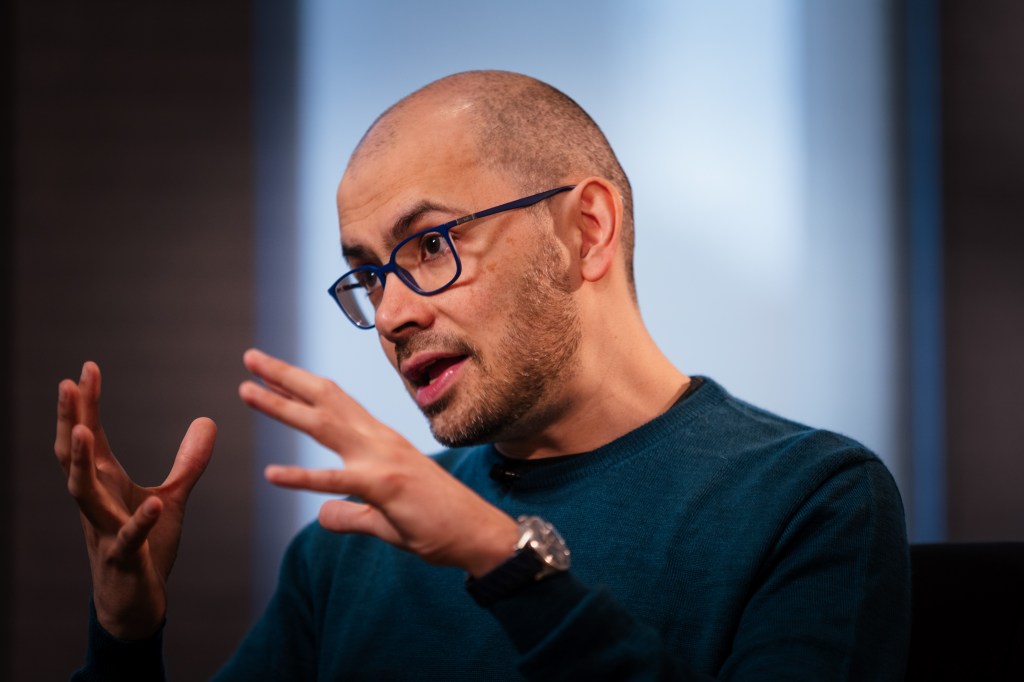
Notable context: founder and CEO Demis Hassabis has stepped down as head of DeepMind to chair it and focus on Isomorphic, and DeepMind released AlphaGenome 2 last week — Alphabet is backing both general biology models and a drug company built to use them. The company did not disclose a valuation; Bloomberg previously reported talks at about $50B.
Five billion dollars for a company with no drug in the clinic yet says the market believes AI-designed drugs are moving from papers to pipelines.
💡 Lumo’s take
The AI drug-discovery story has changed: from helping pharma save time to making drugs and taking them into the clinic itself. For people building AI apps, the lesson is about business models — when the model is strong enough, selling the outcome beats selling the tool.
09Qwen Office opens up to 10 models, including Kimi, GLM and DeepSeek
Image source: Zhidx
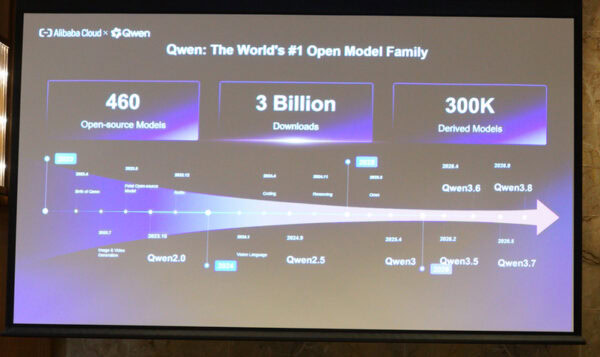
On November 16, Alibaba's Qwen Office opened up multi-model choice, launching 10 models at once: alongside its own Qwen4-Max flagship and Qwen3.8-Flash, it added Kimi-K3.1-Pro, GLM-5.3 and GLM-5.3-Flash, DeepSeek-V4-Pro and DeepSeek-V4.1-Flash, MiniMax-M3.1-Flash and Step-5-Preview. Personal and Enterprise Standard users can now switch models by task from the chat interface.
It is a product-strategy turn: Qwen Office previously offered only three Qwen tiers, briefly listed GLM and DeepSeek in August, then removed them; three months later they are back with a bigger line-up, signalling Alibaba has committed to multi-model aggregation. Third-party models can also call the platform's native agent office tools for document editing, spreadsheets, slide generation and web search.
The official selection guide is blunt: Qwen4-Max for complex multi-step work and agent orchestration, Kimi for million-word document reading, GLM-5.3 for proposal checks and logical reasoning, and Flash lightweight models for everyday writing and summaries to save tokens. The same task can be re-run across models to compare output quality.
The limits matter too: third-party models have different capability boundaries, with gaps in tool support, web access and file parsing; enterprise advanced and private-deployment tiers need separate confirmation on access and billing.
💡 Lumo’s take
China's AI office-agent race is collectively shifting to multi-model aggregation: the contest is no longer which single model is strongest, but whose platform orchestrates everyone's models best. For small teams building office agents, the lesson runs the other way — however strong a single capability is, it cannot beat an entry point where users can freely switch models.
10Kuaishou ships Kling Image 4.0: native 8K output, up to 2,000 characters per image
Image source: Kling official announcement
On the evening of November 17, Kuaishou's Kling AI launched image generation model Kling Image 4.0, with three headline features: native 8K output for the first time, up to 2,000 characters of clean text in a single image, and up to 10 cohesive images from one prompt. The model is live on the Kling platform and available via API; weights are not being released.
Kuaishou says the model uses a unified understanding-and-generation architecture, reading prompts and painting in one system, with prompts of up to 15,000 tokens — aimed at posters, infographics and e-commerce detail pages where text is heavy and requirements are precise. It ships with over 70 commercially cleared fonts, supports in-image text in seven languages (Simplified and Traditional Chinese, English, Japanese, Korean, Spanish and Portuguese), and accepts reference images to set style and lettering.
On the Artificial Analysis image leaderboard, the Kling Image 4.0 Preview leads in both text-to-image and image editing, ranking third for text-to-image in UIUX Design scenarios. The caveat: every figure so far comes from Kuaishou itself, with no independent testing yet, and API pricing is unpublished.
Kling 4.0, the video model, launched a month ago; with the image model added, Kling has grown from a video tool into a complete video-plus-image creation platform.
💡 Lumo’s take
The image-generation contest is shifting from looking realistic to handling layout and sets: producing 10 consistent images at once and fitting 2,000 characters into a poster targets real advertising and e-commerce workflows. For people building content tools, image generation is becoming the delivery of complete layouts, not single pictures.
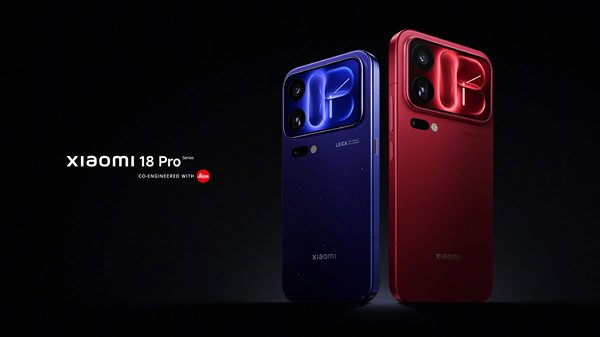
11Xiaomi 18 Pro debuts in Paris from €1,399, over 4,000 yuan more than in China
Image source: Sina Tech
On November 17, the Xiaomi 18 Pro series launched in Paris, bringing the Xiaomi 18 Pro and 18 Pro Max to international markets. It is the first time the Pro line has gone global — last year's Xiaomi 17 Pro stayed in China, leaving overseas users waiting for its rear display.
Price is the biggest contrast: the international 18 Pro costs €1,399 for 12GB+256GB (about 10,249 yuan) and €1,599 for 12GB+512GB (about 11,714 yuan); the Pro Max starts at €1,599, topping out at €2,099 for 16GB+1TB (about 15,377 yuan). Against the 5,999-yuan starting price in China, the same phone costs about 4,250 yuan more overseas.
On specs, the 18 Pro debuts the sixth-generation Snapdragon 8 Elite globally, and the Pro Max the Snapdragon 8 Elite Gen 6 Pro; both carry Leica dual 200MP imaging (large-sensor main plus large-sensor periscope telephoto). The highlight remains the AI rear display, with dynamic notifications, personalised wallpapers and app cards — now with generative AI that turns a natural-language request into personalised rear-screen apps such as vocabulary study or water reminders.
Battery shrinks overseas, though: the international 18 Pro has a 6,000mAh battery (7,000mAh in China) and the Pro Max 7,050mAh (8,500mAh in China); charging is 90W/100W wired plus 50W wireless. Seven ecosystem products launched alongside, including clip earphones, the Band 11 and the Watch S5.
💡 Lumo’s take
The rear display has gone from a showpiece to a small-screen agent you can customise in natural language: a secondary screen that generates its own reminders and study cards is a classic example of phone makers fitting AI into hardware gaps. For people building hardware accessories and small apps, lightweight AI scenarios on secondary screens, small screens and wearables are worth watching.
12Daydream launches a shopping agent: styling, virtual try-on, checkout only with approval
Image source: TechCrunch
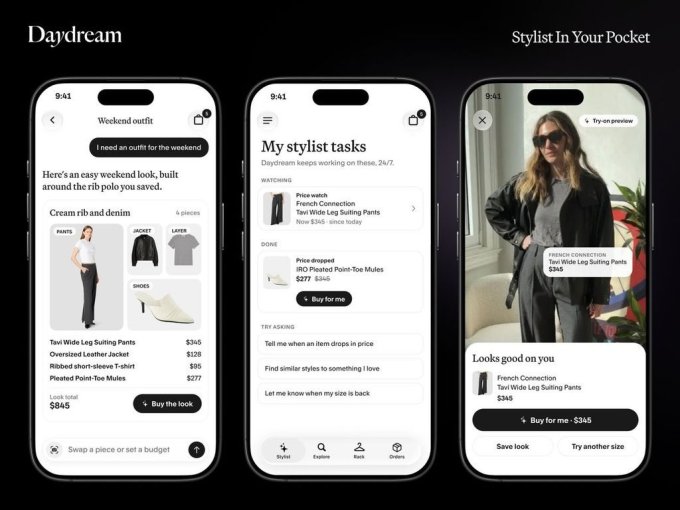
On November 17, fashion shopping platform Daydream launched Daydream Agent: a personal styling agent that carries a request from 'what should I wear' all the way to purchase, available now in its iOS app and by text message. It is the company's biggest product evolution since its June 2025 debut.
The flow is simple: describe an occasion or share an inspiration image, and the agent finds pieces across more than 10,000 brands and assembles a complete shoppable look; upload one photo and reuse it to virtually try on anything saved; anything you like can be bought with one-click checkout after your approval. It also keeps watch on price drops, new arrivals and trends with weekly updates, and — once connected to your closet and calendar — styles around what you already own and what is coming up.
The key design choice is that checkout always needs the shopper's approval: however autonomous the agent is, it cannot spend without a nod. The company says more than 2 million shoppers have used Daydream since June 2025; under the hood is a mix of OpenAI, Gemini and Claude models plus its own, and international stylist Francesca Salih has joined as its first Stylist in Residence.
Daydream was founded by Julie Bornstein, formerly COO of Stitch Fix, and has raised $50M; it earns commissions from partner retailers, holding no inventory and running no ads.
💡 Lumo’s take
The shopping-agent shape is converging: remember preferences, offer virtual try-on, compare prices on your behalf, and only check out with approval — Daydream has built that flow into a vertical category. For people building agents, a vertical scenario plus an 'only spend with approval' design is currently the easiest combination for users to trust.
A subscription-saving agent for individuals and small teams: it reads email and billing statements to find every subscription, flags renewals, spots idle ones, and downgrades or cancels them with one tap — taking a cut of the money saved. What it does: with read-only access to email and bills, the agent produces a monthly subscription list — what each item costs, how often it is used, when it was last opened — marking anything untouched for three months and anything that could drop a tier, then generating cancel or downgrade instructions, or handling it directly. Who pays: individuals and small teams whose subscriptions keep piling up with nobody tracking them; take 10%–15% of the annual savings, or charge 19 yuan a month. Why now: Google just made Gemini Tasks free, and its official example is digging through email to find savings on an electric bill — the 'dig through email to find money' habit is already being taught by a big platform; ChatGPT Wallet and agent checkout are normalising AI spending on your behalf, and managing subscriptions is the low-risk entry on the same road. Smallest MVP: no auto-cancellation yet — manually sort subscriptions for five people first, exporting email and Alipay/WeChat bills, and produce a list with savings advice and a yearly total. First validation: ask three friends for a bill tonight, hand-make their lists, and ask whether they would pay 49 yuan a year for 'saving you 500 yuan a year'; only write code once someone pays. Find early users in friend circles and freelancer communities — the savings list itself is the marketing.